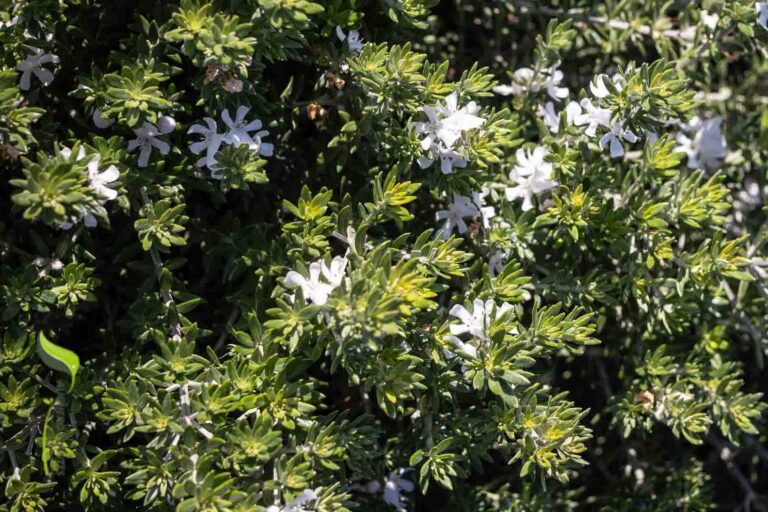
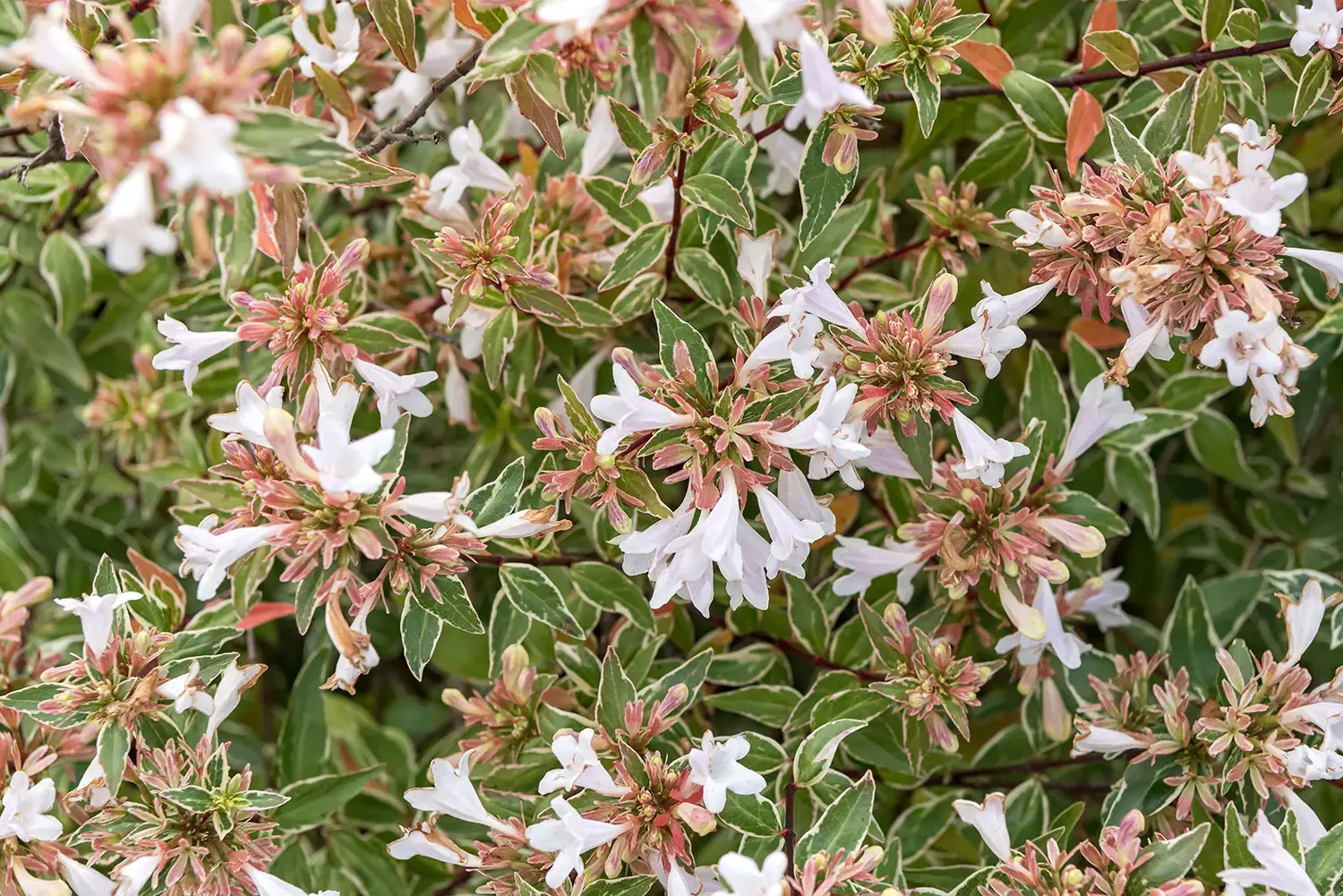
Abelia – Complete Growing Guide
I spend a ridiculous amount of time talking people out of planting temperamental nonsense. Everyone comes to me wanting a miracle plant: something that flowers from June until the first frost, doesn’t die the second you forget to water it, smells great, and doesn’t look like a bundle of grey twigs all winter. For years, my answer has always been the same: just buy an Abelia and call it a day.
It’s not a trendy plant. You won’t see it blowing up on gardening social media, mostly because it’s a quiet workhorse. But if you want a garden that actually looks good without absorbing every single weekend of your life, this is the genus to look at.
What we call “Abelia” in the nursery trade is actually a fascinating little family of deciduous and semi-evergreen shrubs in the honeysuckle line (Caprifoliaceae). They originally hailed from the rocky slopes of Eastern Asia (running from the Himalayas up to Japan) with one oddball cousin native to Mexico.
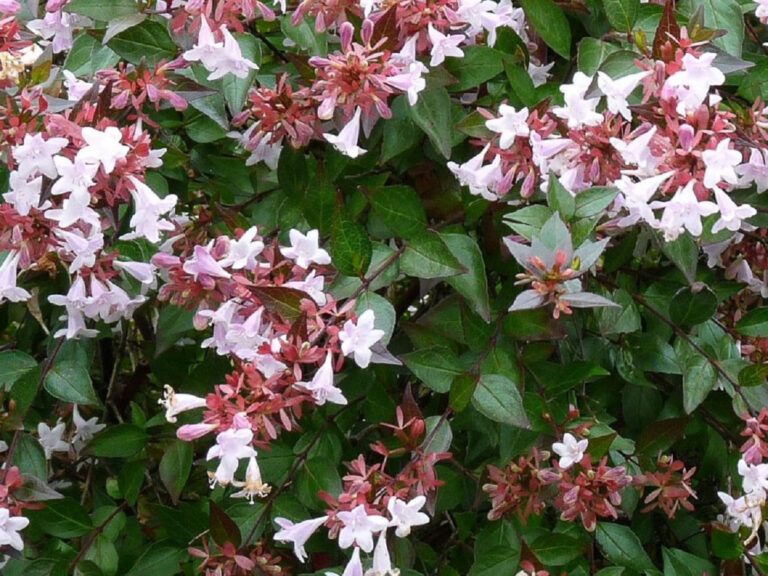
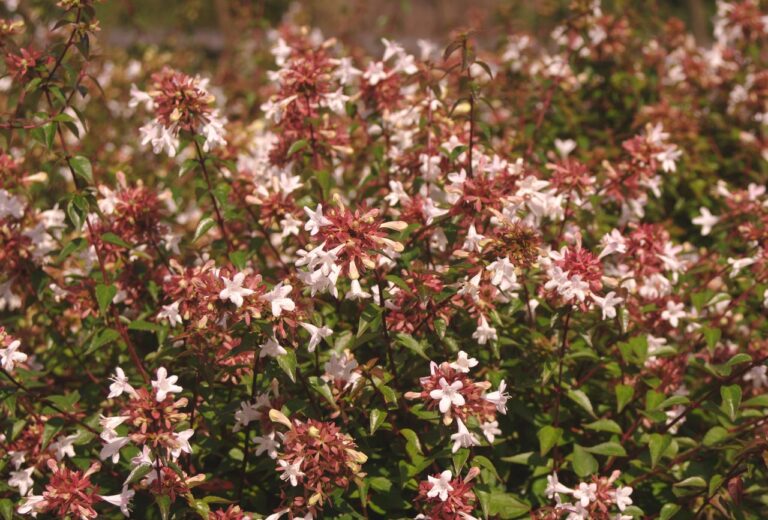
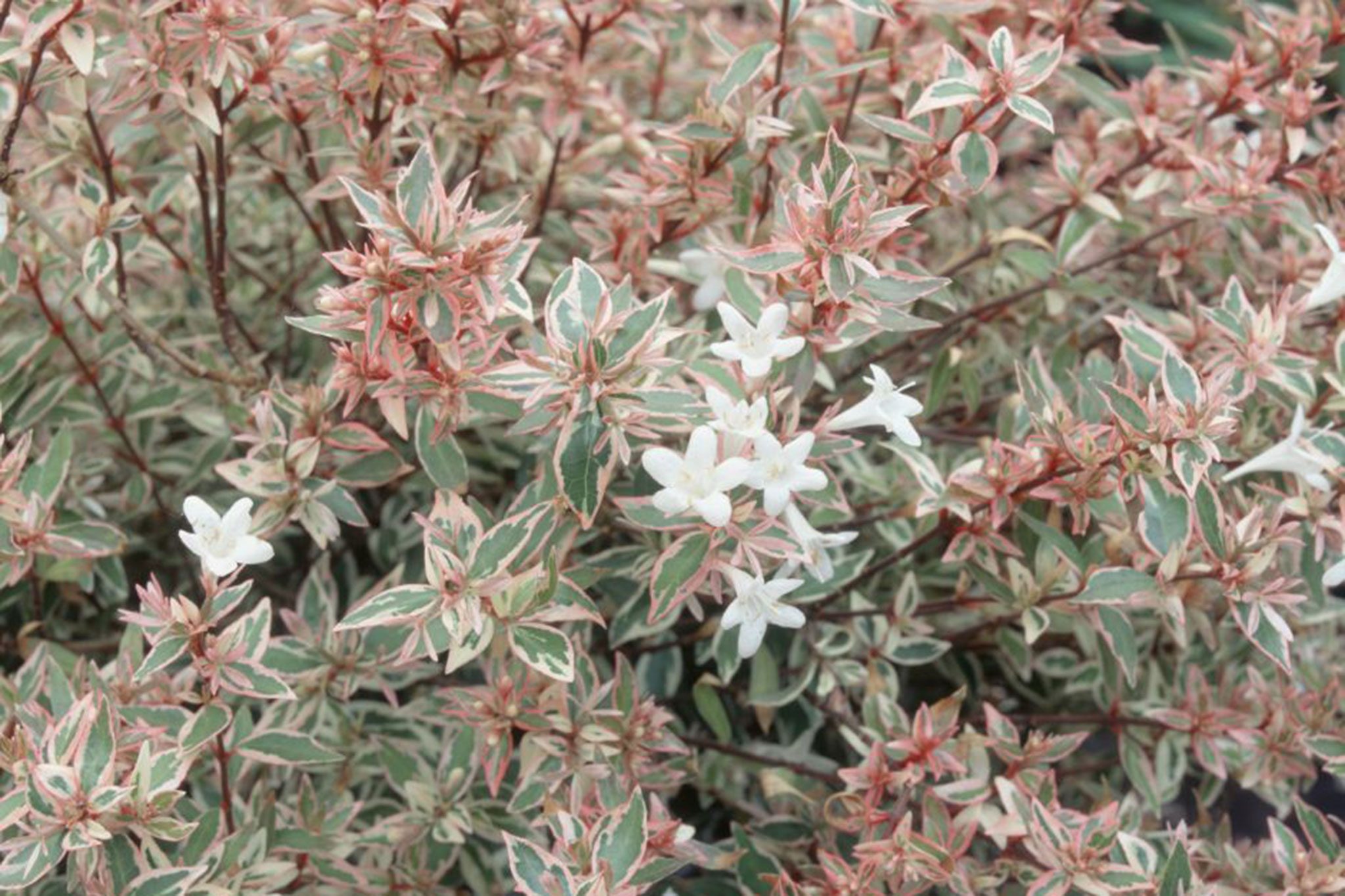
The reason seasoned gardeners love them isn’t just the sheer volume of flowers. It’s what happens after the flowers fade. When the white or pink petals drop, they leave behind these incredibly tough, colorful sepals that look like tiny, rustic stars. These sepals hang onto the branches all through autumn and winter, so the plant looks like it’s still blooming long after everything else in your yard has gone dormant. Plus, if you care about wildlife, bees, butterflies, and hummingbirds treat an Abelia border like an all-you-can-eat buffet for months on end.
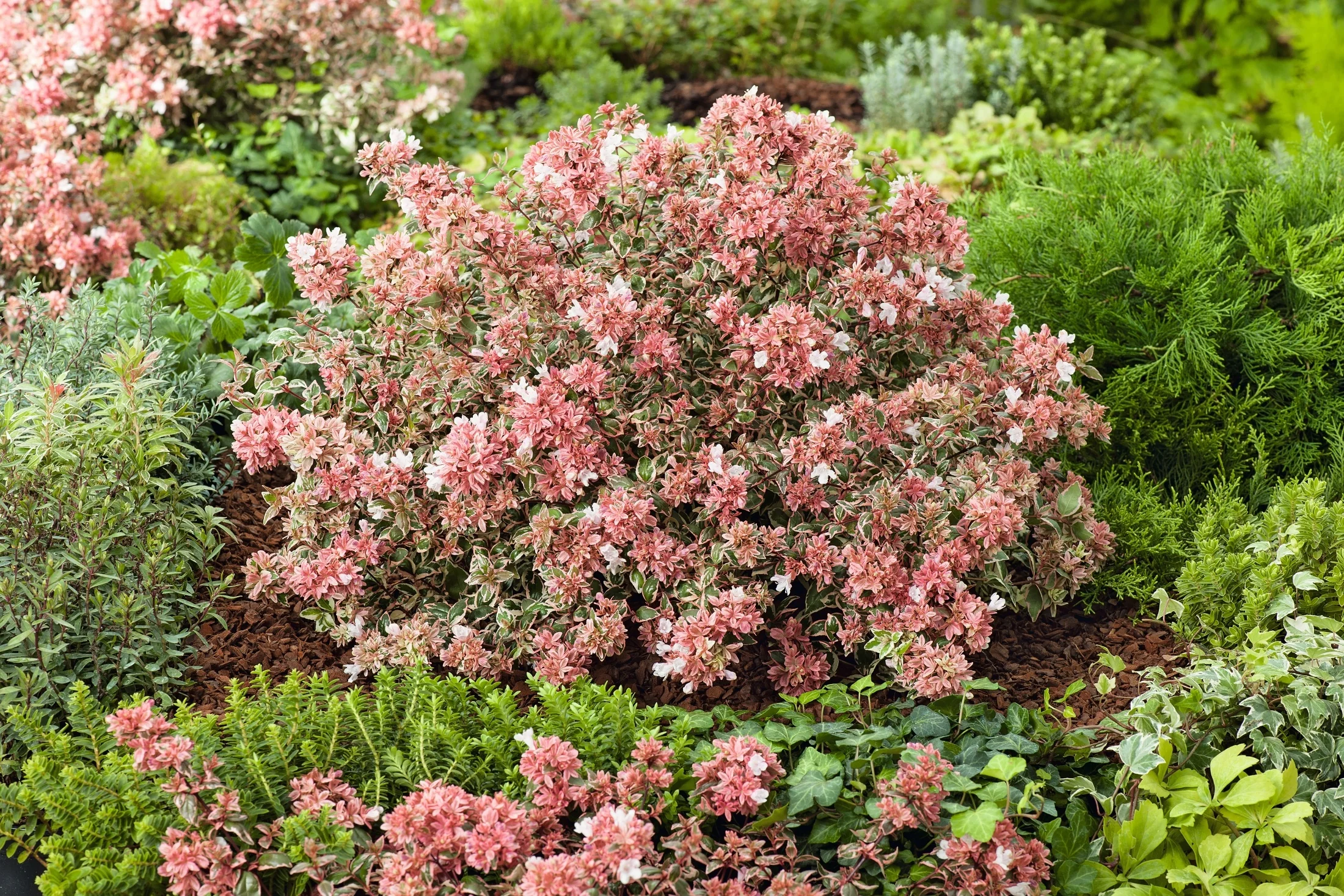
My Unfiltered Cultivar Hit-List: All 15 Varieties Rated
1. The Low-Growing Space Savers (Pots, Driveways, and Edging)
-
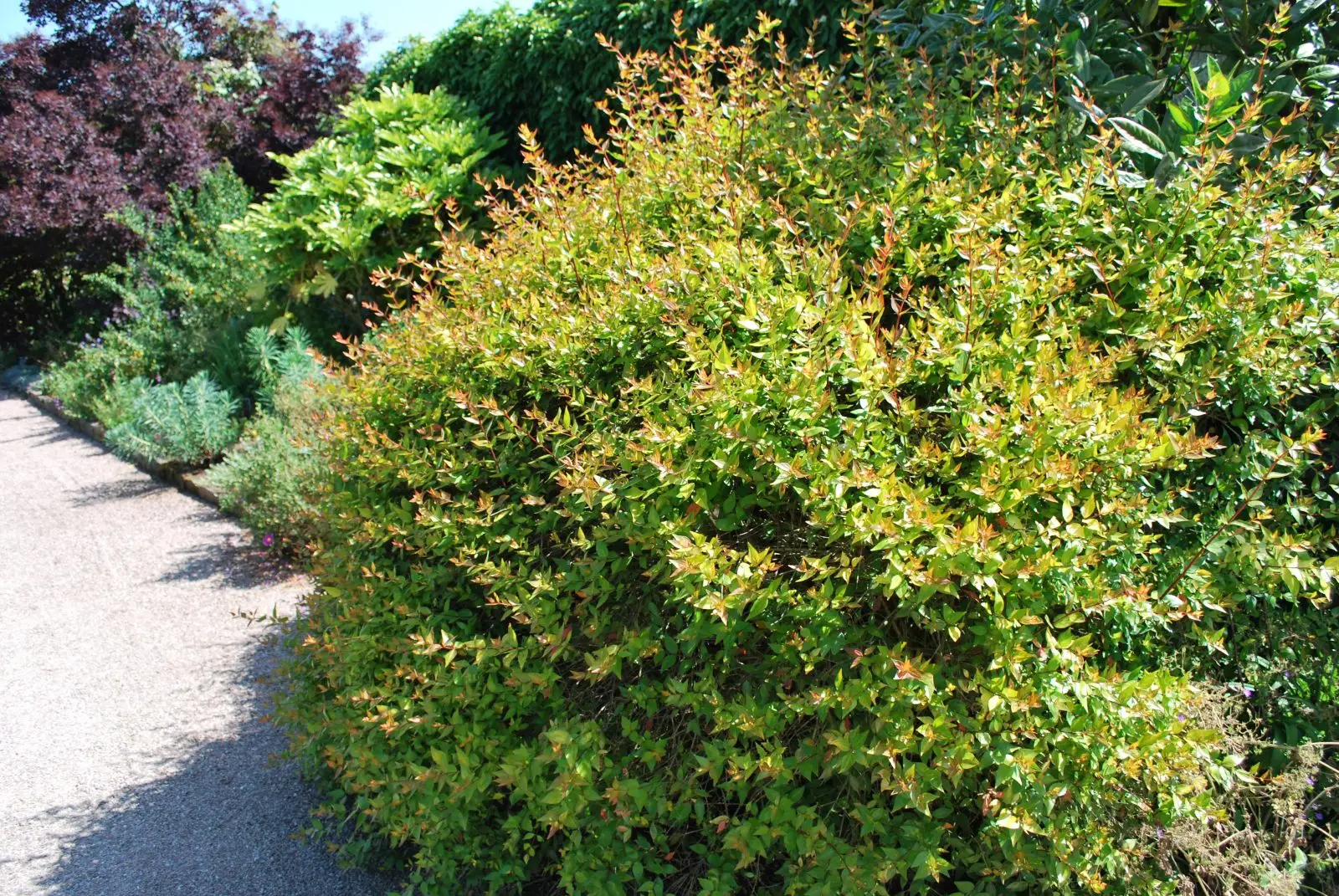
- ‘Little Richard’: This is my go-to for low hedging along a path or driveway. It stays in a beautifully tight, dense ball about 90cm tall and wide. The leaves are tiny, dark emerald green, and glossy, but the real magic happens in winter when the whole plant shifts to a rich, burnished bronze. It flowers its head off with white clusters from early summer to frost.
- ‘Sherwoodii’: An absolute classic dwarf form that tops out around 1m to 1.5m. It has finer leaves and slightly smaller flowers than the standard wild species, giving it a really delicate, airy texture. Its stems naturally arch like a fountain, which is perfect for breaking up the hard, ugly lines of a concrete patio edge.
- ‘Compacta’: Exactly what it says on the tin. It forms a neat, rounded mound roughly 1m to 1.5m high. It doesn’t have flashy variegated leaves, just solid, dependable glossy green foliage and soft white-pink flowers. If you want a zero-maintenance filler for a patio pot that won’t look messy, buy this.
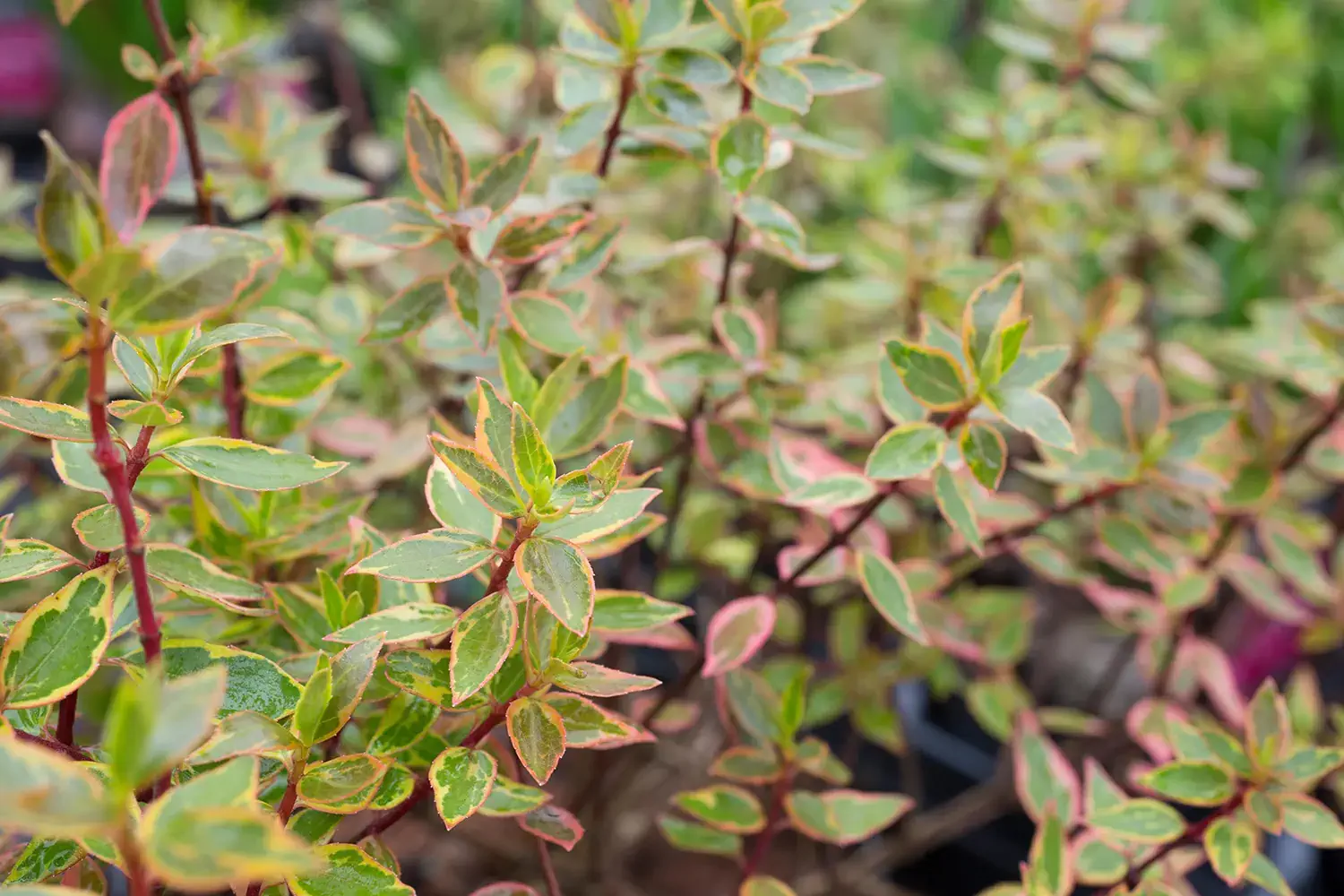
- ‘Confetti’ (sometimes sold as ‘Conti’): I have a love-hate relationship with this one. It’s tiny—rarely pushing past 60cm—and has gorgeous green leaves with bright creamy-white margins that blush pink when it gets chilly. But fair warning: it’s a bit of a wimp compared to its cousins. If you live somewhere with biting winter winds, it tends to get hammered and lose its leaves. Keep it sheltered.
- ‘Dwarf Purple’: This is a true miniature shrub that tops out under three feet, carrying rich green foliage that takes on deep purplish tones as soon as the autumn chill hits. It pushes out masses of pale pink flowers all summer, making it a great low-maintenance option for a tidy border or small garden space.
2. The Color-Changers (High-Impact Foliage)
-
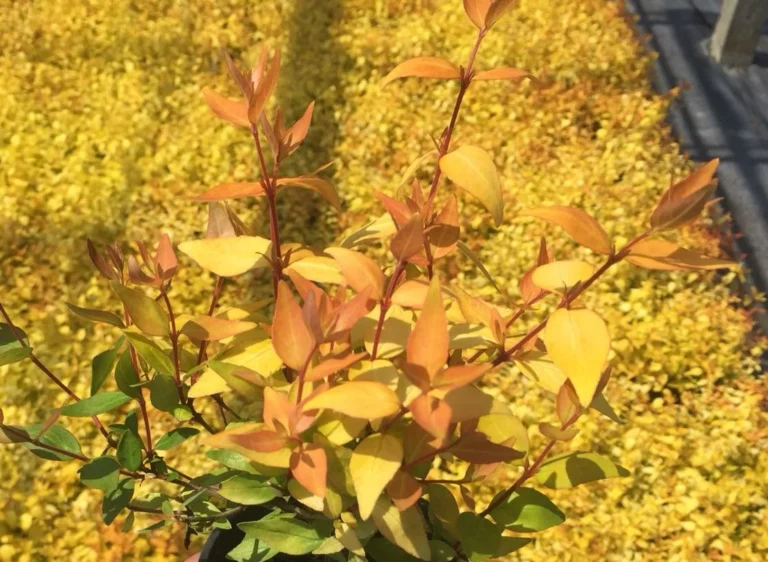
- ‘Kaleidoscope’: If I could only plant one Abelia for the rest of my life, this is it. It’s a low, spreading mound (about 60–90cm tall but wider than it is high) and the foliage color is pure chaos in the best way. In spring, the leaves pop out lime-green with bright yellow edges; by summer, they turn a rich gold; and in autumn, the whole thing ignites into fiery orange, bright red, and deep burgundy. It needs blazing sun to do this, though. In the shade, it turns a boring, muddy green.
- ‘Sunrise’: A mid-sized alternative that hits about 1.5m. The leaves are darker green with a creamy yellow border. It transitions beautifully into gold, orange, and red as the year wanes, and the white summer flowers contrast beautifully against the darker foliage.
- ‘Sunshine Daydream’ (registered as ‘Abelops’): This is a tricolour stunner that stays around 60–90cm. The new leaves emerge this bizarre, beautiful flush of pink, green, and white before settling down into gold and green. It’s mostly evergreen in milder zones and has a genuinely lovely, delicate scent.
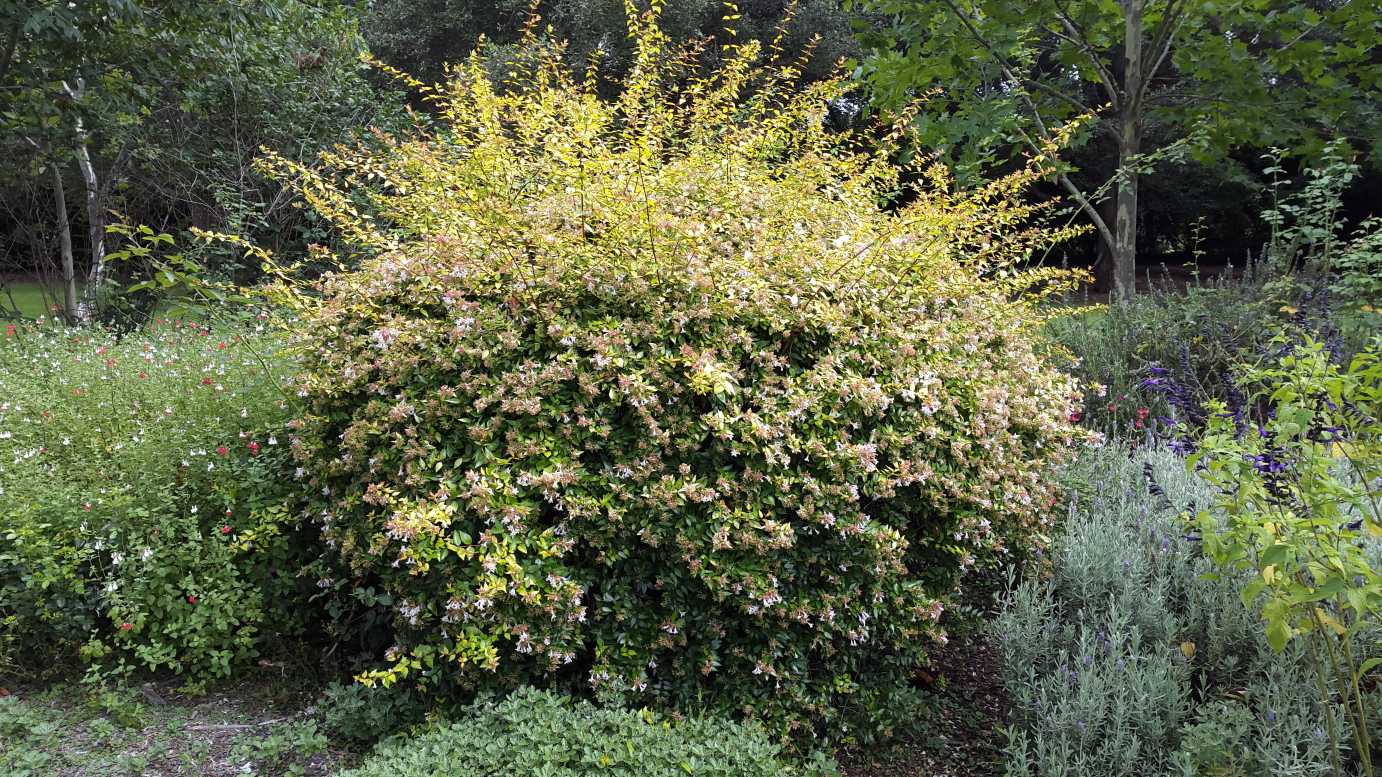
- ‘Gold Jewel’ (‘Abhfgold’): This one tops out at 90cm and features bright chartreuse-gold leaves. In late autumn, it deepens into a warm bronze. It’s one of the few golden-leaved shrubs that I’ve found can actually tolerate a bit of afternoon shade without losing all its brightness, making it great for lighting up dark garden corners.
- ‘Hopleys’ (also known as Twist of Lime): This holds an RHS Award of Garden Merit for a reason. It reaches about 1.5m and is just incredibly reliable. The variegation (bright green centers with crisp, pale yellow-cream borders) stays sharp all season without reverting back to plain green, which is a common flaw in cheaper variegated shrubs.
- ‘Francis Mason’: An old-school golden favorite that gets up to 1.5m. The new growth opens a glossy, brilliant yellow that holds its color brilliantly in full, blazing sun without scorching. Pair it next to something with dark purple leaves like a Heuchera or a smoke bush, and the contrast will stop people in their tracks.
- ‘Radiance’: If you like the look of ‘Rose Creek’ but want a bit of variegation, this one pairs those same red stems with silvery leaves bordered in a clean, creamy white. It keeps a neat, two-to-three-foot mounded shape and spends the summer covered in little white flowers that local bees absolutely love.
3. The Heavyweights (Hedges, Screens, and Scent Specialists)
-
- ‘Lake Maggiore’: A beast of a hybrid that easily clears 2 meters. It’s an upright, vigorous grower with big, arching branches covered in an absolute avalanche of white and pink flowers from midsummer to late autumn. If you want a quick, informal flowering hedge to block out a neighbor, this is the one to plant.
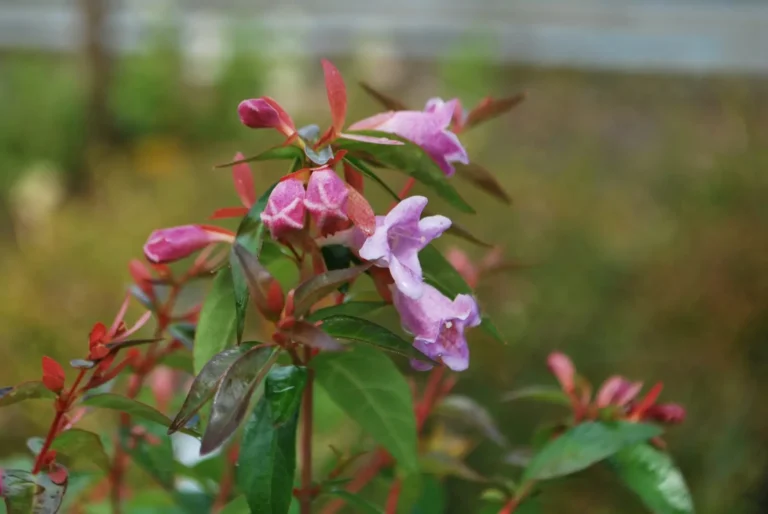
- ‘Edward Goucher’: A legendary cross between A. grandiflora and A. schumannii. It forms a dense, gorgeous shrub about 1.5m to 2.4m tall. What makes it special are the flowers: instead of the usual white, they are a striking lilac-purplish pink with funny little amber spots inside the throat. It’s also significantly more cold-tolerant than most other varieties.
- Abelia mosanensis (Fragrant Abelia): Do not treat this like the others. It gets up to 1.8m and looks fairly unassuming until late spring, when it bursts into rich pink-red buds that open into white flowers. The scent is intoxicating—like a mix of heavy jasmine and lilacs. It only blooms once in spring, but it’s loud enough to perfume an entire backyard.
- Abelia chinensis (Chinese Abelia): One of the wild parents of the modern hybrids. It’s a rounded, tough-as-nails bush about 1m to 2m tall. The glossy green leaves turn a spectacular bronze-purple in autumn, and it produces dense clusters of highly fragrant white flowers followed by beautiful pinkish sepals.
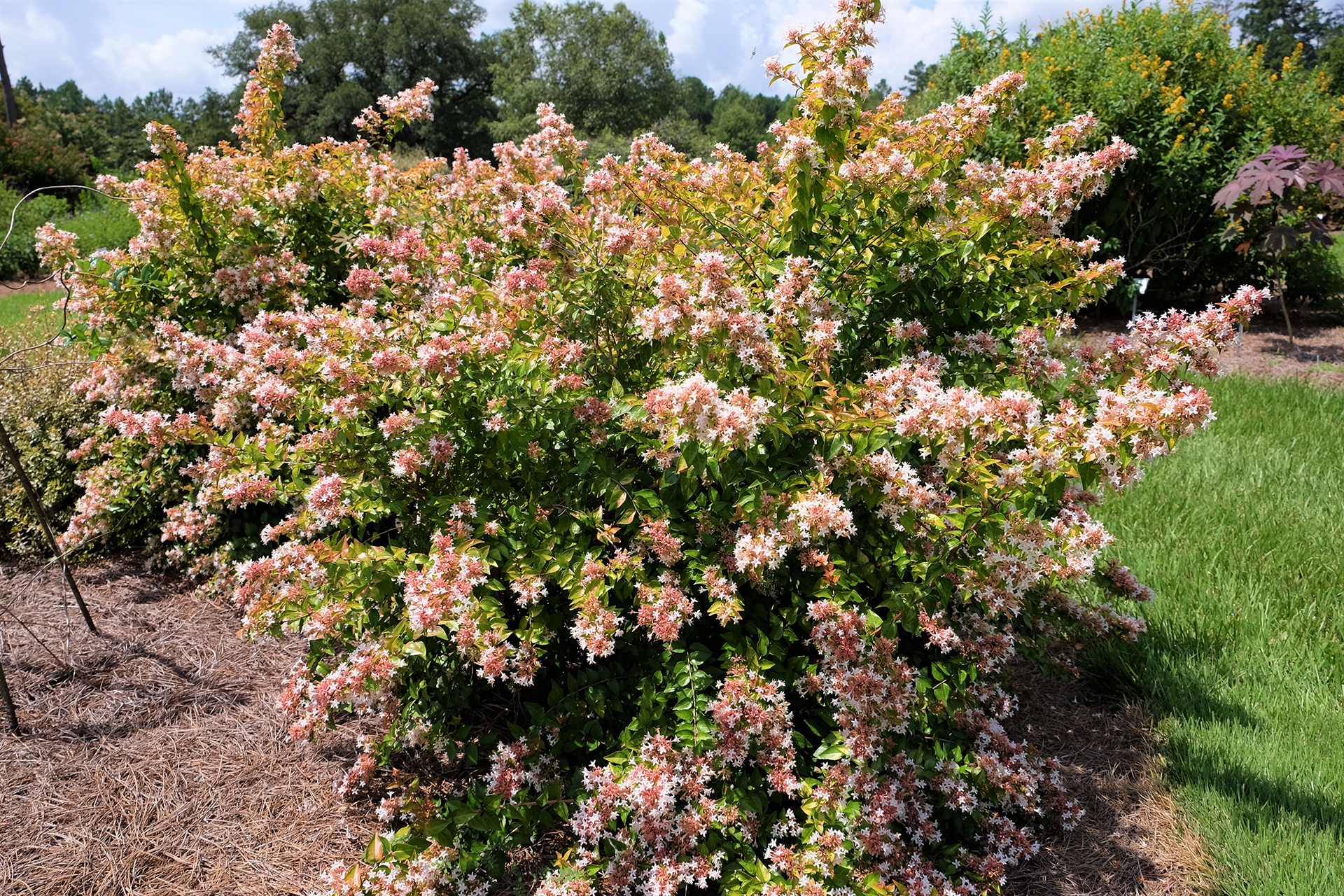
The Hard Truth About Growing Conditions
The Temperature Reality
Let’s talk hardiness. Most Abelia × grandiflora cultivars are rated down to around -10°C to -15°C (RHS H5 or USDA Zones 6–9). Abelia chinensis is a bit more tender and appreciates a cozy, sheltered spot away from frosty winds, while Abelia mosanensis can handle colder winters but its spring flower buds can get nuked if you get a nasty late-season frost in May.
Sun and Soil Crucials
Secondly, they absolutely despise wet feet. If you have heavy, sticky clay that stays wet like a sponge all winter, an Abelia will rot and die within a single season. They can handle a huge pH range (anywhere from acidic 5.0 up to alkaline 8.0), but they demand drainage. If your soil is heavy, you have to break it up with massive amounts of coarse grit and organic compost, or do what I do: plant them in raised beds or large patio containers.
Once they’ve been in the ground for a year and established their roots, they are incredibly drought-tolerant. They handle urban air pollution and moderate coastal salt spray like absolute champs.
How to Get It in the Ground Properly
Timing & Spacing
If you live somewhere with cold winters, plant in spring so the roots have months to settle before the ground freezes. If you live somewhere with scorching summers, plant in autumn so the shrub can establish during the cool, wet winter months without heat stress.
The Planting Step-by-Step
-
- Dig your hole exactly the same depth as the nursery pot, but at least twice as wide. Roots grow outward, not down, and they need loose soil to grab onto.
- Knock the plant out of its pot. If it’s root-bound (a solid mat of roots circling the plastic), take a knife or your fingers and aggressively score or tease those roots outward.
- Toss a couple of big shovelfuls of well-rotted compost or leaf mold into the bottom of the hole. If you have mycorrhizal fungi handy, dust the root ball with it—it works wonders for root establishment.
- Drop the shrub in. Make sure the top of the root ball is perfectly flush with your garden soil level. Burying a shrub too deep is a one-way ticket to stem rot.
- Backfill with your native soil, tamping it down firmly with your hands (not your heavy boots) to get rid of air pockets.
- Water it until the hole turns to mud. Then, toss down a 5–7cm layer of bark mulch to keep the weeds down and lock in moisture. Just make sure the mulch isn’t piled up against the woody stem like a volcano—leave a little breathing room around the base.
Container Rules
If you are planting in pots, don’t skimp on size. Use a heavy container at least 30–40cm in diameter with big drainage holes. Mix a standard premium potting compost with about 20% sharp grit or perlite. Compact varieties like ‘Kaleidoscope’ or ‘Gold Jewel’ will happily live in a pot for three to four years before they need to be root-pruned or upsized.
The Part Where Everyone Screws Up: Pruning
Type A: The Summer Bloomers (Abelia × grandiflora & its cultivars)
These guys flower exclusively on new wood. That means they spend the spring growing brand-new branches, and then the flowers pop out on those fresh stems.
-
- When to prune: Late winter or very early spring, right before the plant wakes up.
- How to do it: First, cut away any dead, damaged, or crossing branches right at the base. Then, take your pruners and trim the main flowered stems back by about one-third to force the plant to bush out. If you have a massive, leggy, overgrown disaster of a shrub, you can actually chop the whole thing down to a 30cm stump in March. It feels like murder, but it will explode back with insane vigor and still give you flowers by July.
- Note on compacts:Tiny varieties like ‘Kaleidoscope’ only need a light haircut to keep them tidy. Don’t go hacking them to stumps unless they are genuinely ruined.
- For sparse or overgrown shrubs, use a one-third annual cane rotation or a hard late-winter reset cutting stems to 6–12 inches on well-established plants. Complete guidelines and safety rules are detailed in the referenced web document.
Type B: The Spring Bloomers (Abelia mosanensis / Fragrant Abelia)
This is where people get burned. This species flowers exclusively on old wood. That means it spends the summer building its flower buds, keeps them alive through the winter, and pops them open in May. If you hack this plant back in March, you are literally cutting off every single flower bud for the year.
-
- When to prune: Early summer, immediately after the flowers fade.
- How to do it: Snip off the spent flower clusters and shape the outline of the bush lightly. Leave the core structure alone so the plant has the rest of the summer to grow the new wood that will carry next spring’s fragrant show.
Free Plants: How to Propagate Abelia
Don’t waste money buying ten of the same plant. Abelia is incredibly easy to multiply yourself if you have a little patience.
-
- Softwood & Semi-Ripe Cuttings (Late Spring to Late Summer): This is the best way to copy variegated cultivars like ‘Kaleidoscope’ because the cuttings will be identical clones of the parent. Snip a 7–10cm tip from a healthy, non-flowering branch. Strip the leaves off the bottom half, dip it in a bit of rooting hormone, and push it into a small pot filled with half potting soil and half perlite. Put a clear plastic bag over the pot to lock in the humidity, keep it in a bright spot out of direct sun, and you’ll have roots in 4 to 6 weeks.
- Prepare clean, loose, sterile rooting mediums and utilize simple spring layering by wounding, pinning, and burying a low flexible branch. Step-by-step instructions are available in the referenced web document.
- Hardwood Cuttings (Late Autumn to Winter): If you want a zero-effort method, take mature, dormant wooden stems in winter. They root much slower, but you don’t have to baby them with plastic bags or humidity domes. In mild climates, you can push them straight into a sandy nursery bed outside and leave them until spring.
- Layering (Spring): The ultimate lazy gardener method. Find a low, flexible stem that easily touches the ground. Use a pocketknife to lightly nick the bark on the underside of the stem, pin that nicked section into the soil with a piece of bent wire, and throw a rock over it. By autumn, that buried wound will have grown its own root system. Snip it away from the parent plant and you’ve got a free shrub.
Bugs, Diseases, and Troubleshooting
I don’t use pesticides in my garden, which is why I love Abelia. It’s an incredibly tough customer, but here is how to handle the few issues that do pop up without panicking.
Address common issues like aphids, spider mites, powdery mildew, and lack of blooms using targeted organic remedies, water blasts, and seasonal maintenance. The complete diagnostic matrix and seasonal checklist can be reviewed in the referenced web document.
Address common issues like aphids, spider mites, powdery mildew, and lack of blooms using targeted organic remedies, water blasts, and seasonal maintenance. The complete diagnostic matrix and seasonal checklist can be reviewed in the referenced web document.
-
- Aphids: In May, you might see colonies of greenfly clustering on the soft new growth. Do absolutely nothing. If you panic and spray chemical bug killers, you kill the ladybirds, hoverflies, and blue tits that are trying to eat them. Let nature clear it up; Abelia is tough enough to handle a minor aphid tax.
- Spider Mites: If the weather gets incredibly hot and dry, you might see fine webbing and dusty-looking leaves. Just give the foliage a good rinse with the hose in the mornings to knock down the dust and up the humidity.
- Powdery Mildew: If a white, dusty coating shows up on the leaves, your plant is telling you it’s suffocating. This only happens if you plant them too close together in a stagnant, shady corner. Thin out some of the interior branches with pruners to let the breeze pass through, and make sure it’s getting enough sun.
- Foliage Scorch: If the bright yellow edges of your ‘Kaleidoscope’ or ‘Sunrise’ start looking crispy, bleached, and brown, it’s not a disease—it’s heat exhaustion. The plant needs a deep, slow soak of water and a thick blanket of bark mulch over its roots to keep them cool.