Abelia × grandiflora ‘Little Richard’ – Complete Growing Guide
If you’ve ever grown a traditional, old-school glossy abelia, you already know the routine. You plant it expecting a polite, manageable garden citizen, and within three seasons it’s throwing out wild, six-foot octopus arms that devour your walkway and crowd out your perennials. For decades, taming these vigorous growers meant constant, exhausting weekend hacking with the hand shears.
Enter ‘Little Richard’.
Discovered as a happy accident—a natural genetic “branch sport” on a ‘Sherwood’ abelia by nurseryman Richard Currin—this dwarf selection is the answer to a small-space gardener’s prayers. It completely does away with the unruly habits of its ancestors, packing all the best traits of the genus into a tight, self-policing package. The horticultural world took notice, too: in 2022, the Pennsylvania Horticultural Society handed ‘Little Richard’ its prestigious Gold Medal Plant award, recognizing its unparalleled performance and easy-going nature in small landscapes.
Whether you call it a dwarf abelia or by its traditional moniker, ‘Little Richard’ glossy abelia, this member of the Caprifoliaceae (honeysuckle) family is a true garden workhorse. While taxonomists have recently tried to reclassify the Abelia genus under the name Linnaea, most of us at the local independent garden center still know and love it simply as Abelia × grandiflora ‘Little Richard’.
The Four-Season Backbone: Form and Foliage
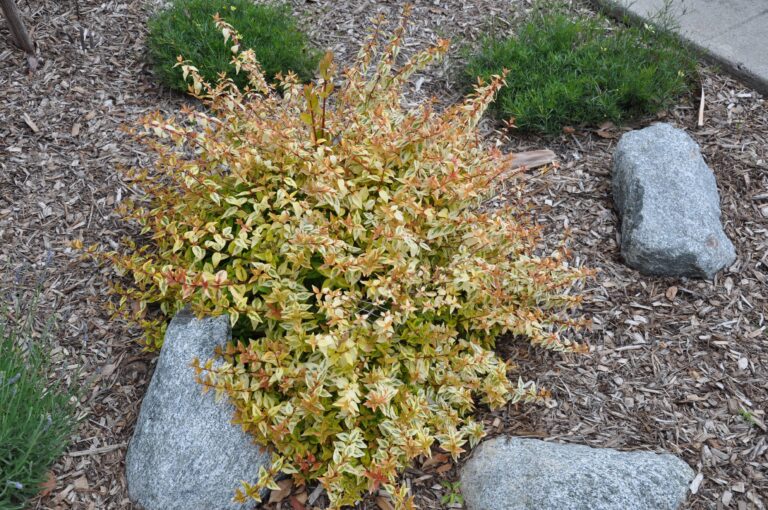
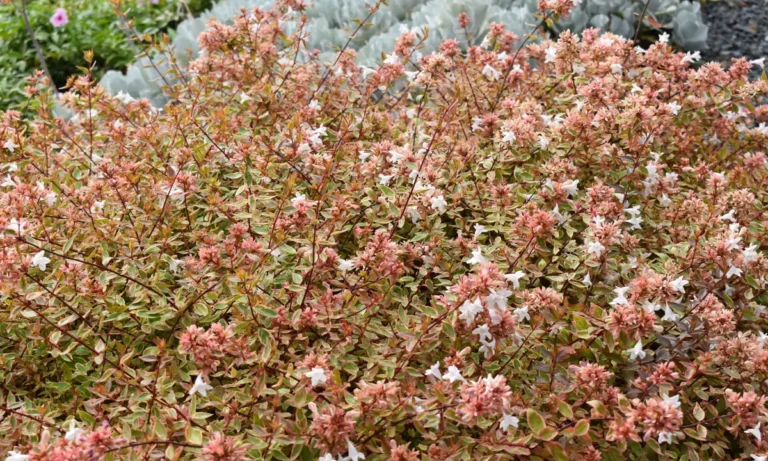
Unlike older cultivars that demand constant styling, ‘Little Richard’ behaves itself from day one. It grows at a perfectly manageable, moderate rate, naturally shaping into a dense, rounded mound. At maturity, it tops out at a tidy 2 to 3 feet (60–90 cm) in height and spread, though if it falls into a spot with absolutely perfect soil and moisture, it might stretch out to a 3-to-4-foot width over time.
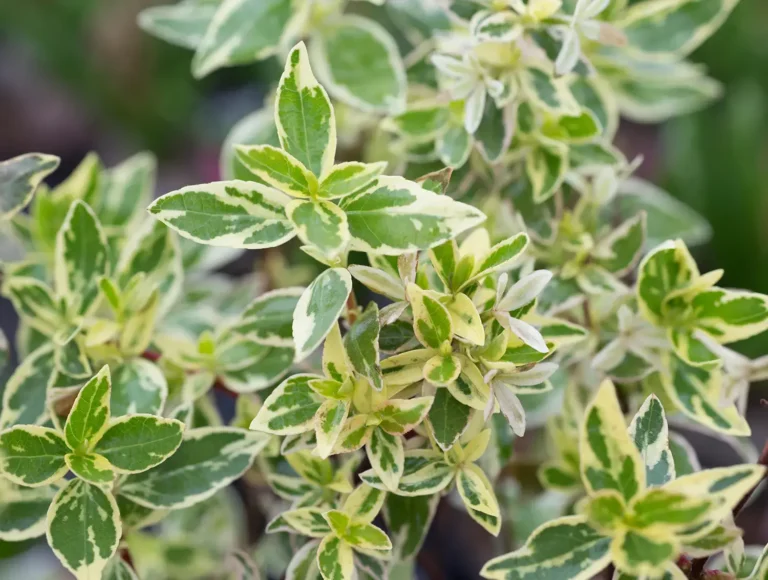
But the real magic of this plant is its chameleonic foliage. It doesn’t just sit there looking green; it gives you a multi-season color shift:
-
- Spring and Summer: The show starts when the new growth pushes out with a distinct, warm reddish tint. As summer takes hold, that transitions into small, 0.7-to-1.5-inch leaves that are incredibly glossy and lustrous. They form a rich, deep green backdrop that shrugs off the brutal humidity of midsummer.
- Fall and Winter: Come late October, when the rest of the garden is shutting down, ‘Little Richard’ wakes back up. The foliage takes on a gorgeous cocktail of tangerine, amber, pink, and bronze tones.
How it handles winter depends entirely on your address. If you’re gardening in USDA Hardiness Zones 7 through 9 (or even up to zone 10a), it stays reliably evergreen, holding onto those colorful leaves right through the coldest months. If you’re up in Zone 6 (including 6a), it behaves like a semi-deciduous or fully deciduous plant. It might drop some or all of its leaves in a harsh, biting winter, but don’t panic—the root system remains completely bulletproof and will push out a fresh coat of green come spring.
Five Months of Blooms (And Zero Deadheading)
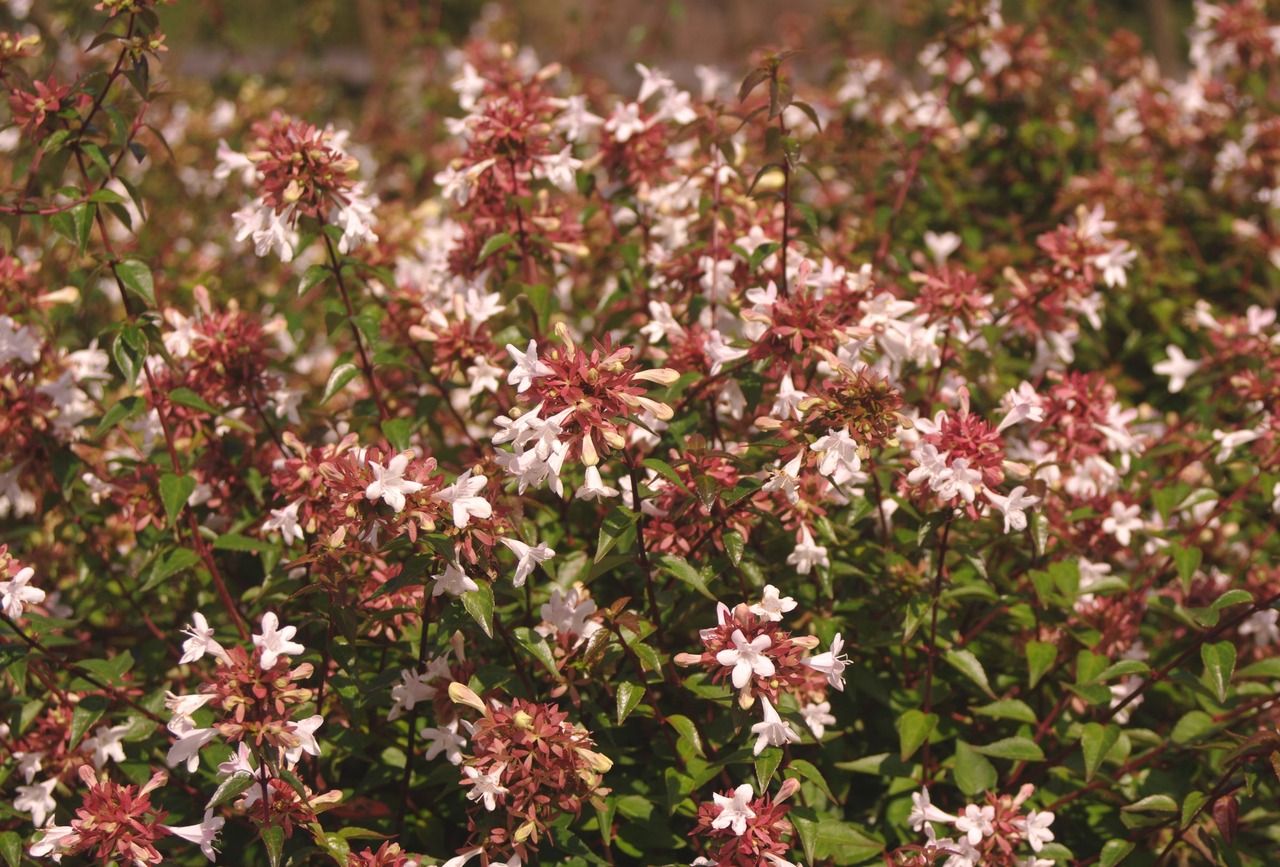
Most flowering shrubs give you a spectacular two-week show and then spend the rest of the year looking like a plain green blob. ‘Little Richard’ plays by entirely different rules. It is an incredibly prolific bloomer, pushing out clusters of delicate, funnel-shaped flowers starting in late spring and continuing without a pause through the autumn until the first hard frost slams the door on the season.
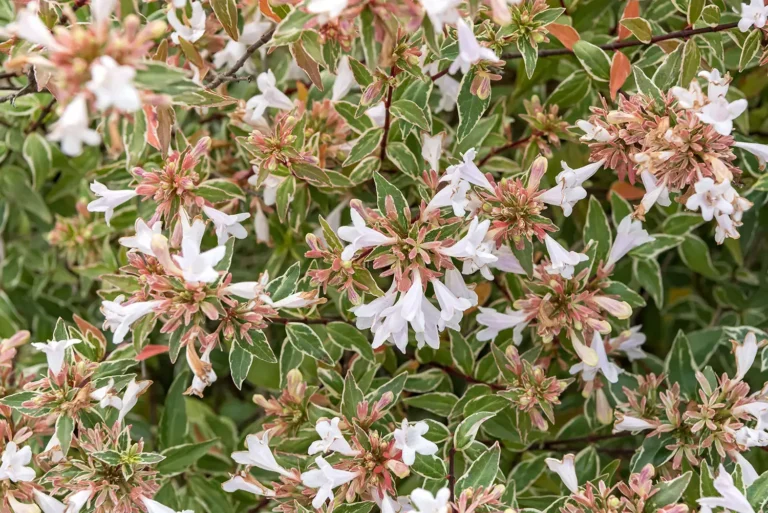
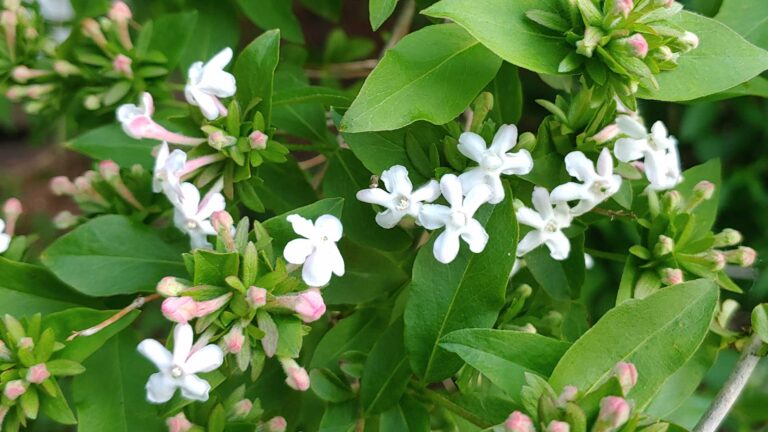
The individual flowers look like tiny, 1-inch trumpets, carrying a faint, clean fragrance reminiscent of citrus and honey. If you sit near them on a warm July afternoon, you’ll find they are absolute magnets for bumblebees, swallowtails, and hummingbirds.
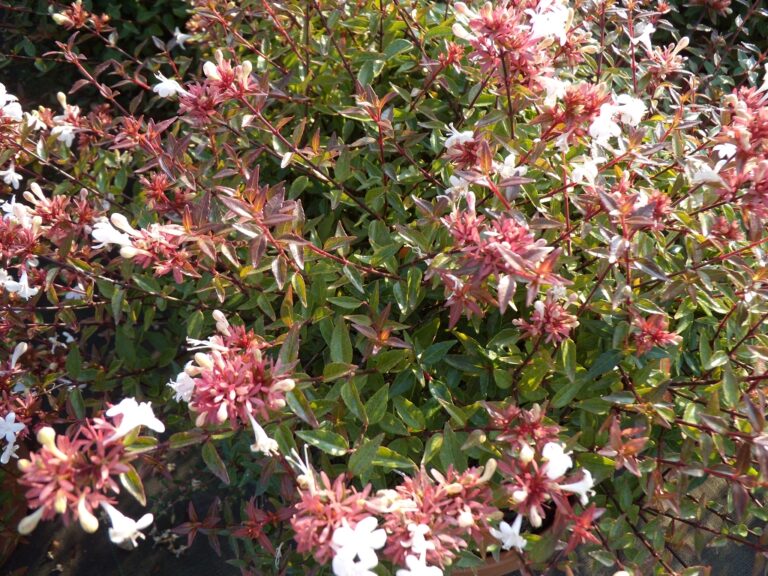
Even better? You don’t have to deadhead them. This plant is self-cleaning. As the white petals drop away, they leave behind beautiful, reddish-pink sepals (the little structural collars at the base of the flower). These sepals stick around on the stems for weeks, creating a delicate, bi-color pink-and-white effect long after the primary bloom has faded.
Because ‘Little Richard’ produces its flowers exclusively on new growth, any pruning you do in the late winter or early spring won’t ruin your summer show. In fact, it does the opposite—it stimulates a massive flush of the fresh wood that the plant needs to bloom its head off.
Setting the Stage: Climate and Site Requirements
1. Sunlight
2. Soil
3. Water
When you first bring your shrub home from the nursery, water it regularly and deeply throughout its first growing season. This helps it establish a deep, resilient root system. Once it is fully established, it becomes remarkably drought-tolerant, requiring only occasional watering during long, dry summer spells. It prefers evenly moist, well-draining soil, but it easily forgives a forgetful gardener.
Getting It in the Ground: Planting and Spacing
The best time to plant ‘Little Richard’ is during the milder windows of spring or fall, allowing the roots to settle in before they have to face extreme summer heat or winter freezes.
Spacing Guidelines
-
- For a Low Hedge or Mass Planting: Space your plants 2.5 to 3 feet apart on center. If you want a continuous, seamless green screen, go with 2.5 feet. If you want them to touch but still retain a bit of their individual mounded shapes, stick to 3 feet.
- As a Standalone Specimen: Give it 4 to 6 feet of breathing room between other large plants to ensure excellent air circulation and let it show off its mature, rounded form.
- For Container Gardening: Choose a high-quality pot that is at least 12 to 14 inches in diameter and ensure it has plenty of functional drainage holes at the bottom.
Step-by-Step Planting
-
- Dig the Hole: Dig a hole that is twice as wide as the nursery root ball, but exactly the same depth.
- Amend if Necessary: If you are dealing with heavy, compacted clay or pure, nutrient-stripped sand, mix some organic matter like leaf mold or compost into your backfill soil to improve drainage and structure.
- Set the Plant: Gently remove the abelia from its plastic pot. Place it in the hole so that the top of the root ball sits perfectly level with—or just a hair above—the surrounding garden soil.
- Backfill and Water: Fill the hole back up with your soil, tamping it down gently with your hands to knock out any large air pockets. Water the area thoroughly to settle the ground.
- Mulch: Apply a 2-to-3-inch layer of organic mulch (like shredded bark) around the base of the plant to trap moisture and keep weeds down. Just be sure to pull the mulch back a couple of inches so it isn’t suffocating or resting directly against the woody stems.
Maintenance: The Lazy Gardener’s Dream
Because of its compact, dwarf nature, pruning is not strictly necessary. You can easily leave this plant entirely alone, and it will still look great. However, a little occasional maintenance can elevate its health.
-
- When to Prune: If you want to shape it, always do it in late winter or very early spring right before the new spring growth kicks into gear. Avoid pruning in the autumn; cutting it back then triggers tender new growth that will instantly get zapped and damaged by the first winter frosts.
- How to Prune: Start by cleaning out any dead, broken, or crossing branches. You can lightly trim the exterior to perfect its rounded shape. If you have an old, tired plant that needs a total refresh, you can perform rejuvenation pruning: chop the main stems back hard to 6 to 12 inches above the ground every two to three years. It feels drastic, but it will explode back with dense, incredibly vigorous new growth.
- Fertilizing: In average garden soil, ‘Little Richard’ doesn’t need a thing. If your soil is incredibly poor or you notice the leaves looking a bit pale and sluggish, apply a balanced, slow-release fertilizer in the early spring. Avoid heavy hand with fertilizer, as too much nitrogen causes the plant to push out tons of green leaves while forgetting to grow flowers.
- Winter Protection: If you are in Zones 7 through 9, you don’t need to lift a finger in the winter. If you are in Zone 6, pile a little extra mulch around the root zone in late fall, or plant it in a spot sheltered from harsh, drying winter winds. For container-grown abelias in Zones 6 and 7, slide the pots into an unheated garage or a protected porch during extreme cold snaps, watering them just enough so the soil doesn’t turn into a bone-dry brick.
Pests, Diseases, and Troubleshooting
If you are tired of battling bugs and fungi, you are going to love this plant. ‘Little Richard’ is exceptionally pest- and disease-resistant.
Suburban gardeners can breathe a sigh of relief: it is highly deer- and rabbit-resistant, and wildlife will rarely browse it unless they are completely starving.
In incredibly humid climates with stagnant air, it can occasionally catch a mild case of powdery mildew or fungal leaf spot, but it is far less susceptible than most traditional landscaping shrubs. If you ever run into a hot, bone-dry summer drought, keep an eye out for spider mites, though they are quite rare. To prevent almost all of these minor issues, simply plant it in well-drained soil, give it decent air circulation, avoid throwing water directly over the leaves late in the evening, and clean up any fallen, diseased leaves from the garden floor.
Design Ideas: Where to Put It
Thanks to its polite footprint and non-stop blooming schedule, you can use ‘Little Richard’ across a wide variety of landscape designs:
-
- The Modern Boxwood Alternative: With boxwood blight causing headaches across the country, many designers are using ‘Little Richard’ as a flowering, disease-resistant substitute for low hedges, formal knot gardens, or walkway borders.
- Foundation Framing: It’s small enough to tuck underneath low windows or along front porches without ever growing tall enough to block your view.
- Massing and Borders: Use it in groups of three or five to create a continuous, low-maintenance wash of color along a driveway or the edge of a woodland garden.
- The Pollinator Magnet: It’s an essential addition to any dedicated butterfly or habitat garden, providing a reliable food source for months on end.
- The Pocket Companion: It fits beautifully into tight rock gardens, small urban courtyards, or underplanted beneath the light shade of taller specimen trees like Japanese maples.
Perfect Plant Pairings
-
- Spring Bulbs: Tuck daffodils, tulips, or alliums around the base of the shrub. They will provide early spring color while the abelia is still waking up.
- Perennials: Vibrant, upright spikes of Salvia, deep purple lavender, bright yellow coreopsis, or textured lamb’s ear create an incredible summer contrast.
- Shrubs and Grasses: Pair it with the fine texture of dwarf ornamental grasses, structural evergreen azaleas, or colorful dwarf spireas for a beautifully layered look.
- Ground Covers: Fill in the spaces below with creeping phlox, stonecrop sedum, or ajuga to create a living mulch that keeps weeds at bay.
Propagation: Making More ‘Little Richard’
Because ‘Little Richard’ is a patented, cultivated variety of a sterile hybrid (Abelia × grandiflora), growing it from seed is not an option; any seeds it does produce won’t grow true to the parent plant. To get identical copies, you must propagate it vegetatively:
-
- Softwood Cuttings: In late spring or early summer, snip 4-to-6-inch pieces of soft, flexible new growth. Dip the ends in rooting hormone and place them in a highly porous, well-draining propagation mix under high humidity.
- Semi-Hardwood Cuttings: You can do the exact same process in late summer using stems that have started to mature and turn slightly woody at the base.
- Tip Layering: In late spring, take a low, flexible branch, gently nick the bark on the underside, bend it down to touch the soil, and pin it down with a landscape staple covered in dirt. By autumn, it will have grown its own set of roots, allowing you to snip it away from the mother plant and move it elsewhere.