Demystifying Flowering Maples: A Guide to Abutilon Cultivars and Choices
Horticultural literature has long treated the sprawling family of tender, semi-evergreen “flowering maples” as an intimidating maze of distinct garden plants. In reality, these cultivars are variations on a single, glorious theme. Rather than exhibiting radically different garden behaviors, named abutilons are selected chiefly for their bell-shaped blossoms, striking variegated leaves, or eccentric floral architecture. By grouping these color-named, variegated, and collector series into coherent visual categories, we can easily identify the select few that possess a truly unique garden identity.
The Universal Template of the Group
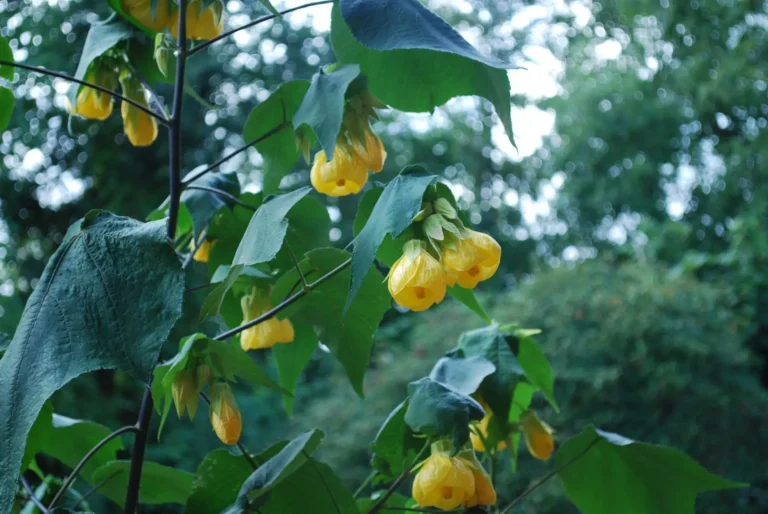
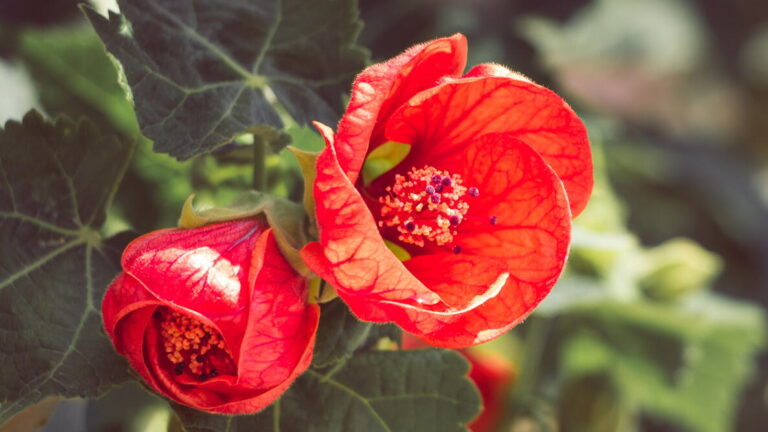
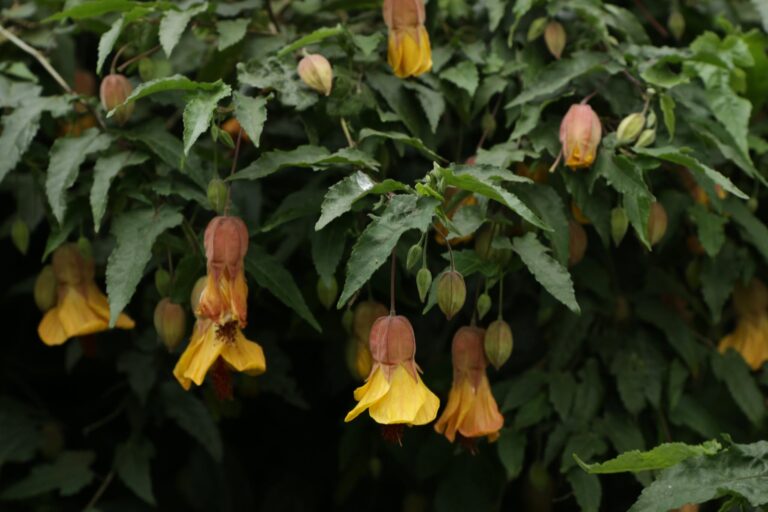
Look closely at almost any named abutilon, and you will find the same dependable architecture: maple-like foliage, a habit that ranges from lax to bushy, and a constant pendant parade of lantern- or bell-shaped blossoms anchored by prominent stamens. Horticulturists generally categorize the genus as tender, subtropical, evergreen woody shrubs. They are celebrated for their relaxed demeanor and a primary palette of red, orange, or yellow bell-like flowers.
While the familiar hybrid group often carries the botanical moniker Abutilon × hybridum, the name itself rests on shaky taxonomic ground. Because commercial names frequently cloud the market, categorizing these plants by flower color and foliage traits proves far more accurate—and infinitely more useful to gardeners—than treating every single label as a completely unique plant profile.
Cultivars Defined by Flower Color
These selections form the heart of the “flowering maple” tradition. They represent conventional upright or bushy hybrids whose primary horticultural distinction lies in the precise hue, intricate veining, or sheer scale of their pendant blooms.
Overview of Key Flower-Color Varieties
| Cultivar or Group | Principal Visual Identity | Design Use |
|---|---|---|
| ‘Ashford Red’ / ‘Golden Ashford Red’ | Deep red, large, open flowers; ‘Ashford Red’ grows with strong upright vigor. | Warm red accent for a sheltered wall, large container, or conservatory. |
| ‘Boule de Neige’ / ‘White King’ | Crisp, white-flowered selections. | Light-reflecting counterpoint to dark-leaved or red-flowered companions. |
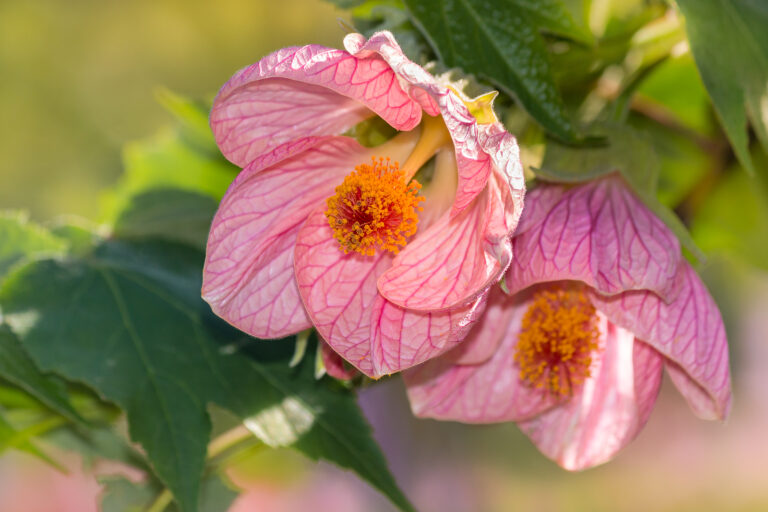
| ‘Pink Lady’, ‘Roseus’, ‘Kirsten’s Pink’ | Pink-flowered hybrids lacking well-documented structural differences. | Soft, romantic color in mixed containers or mild-climate borders. |
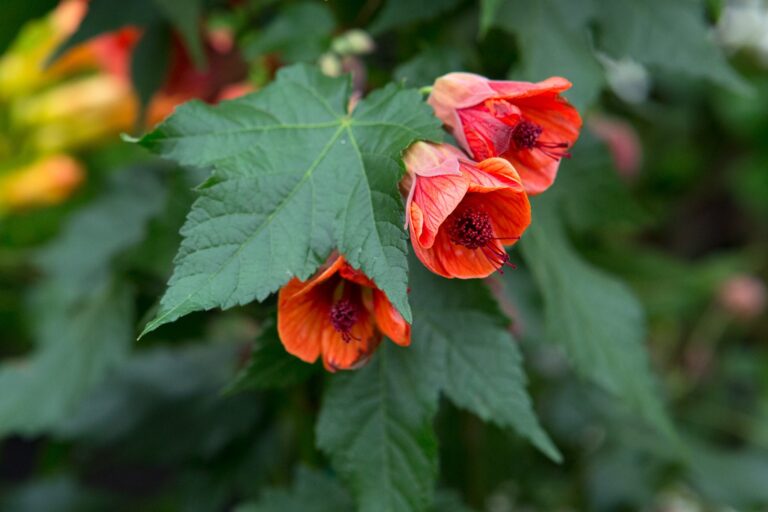
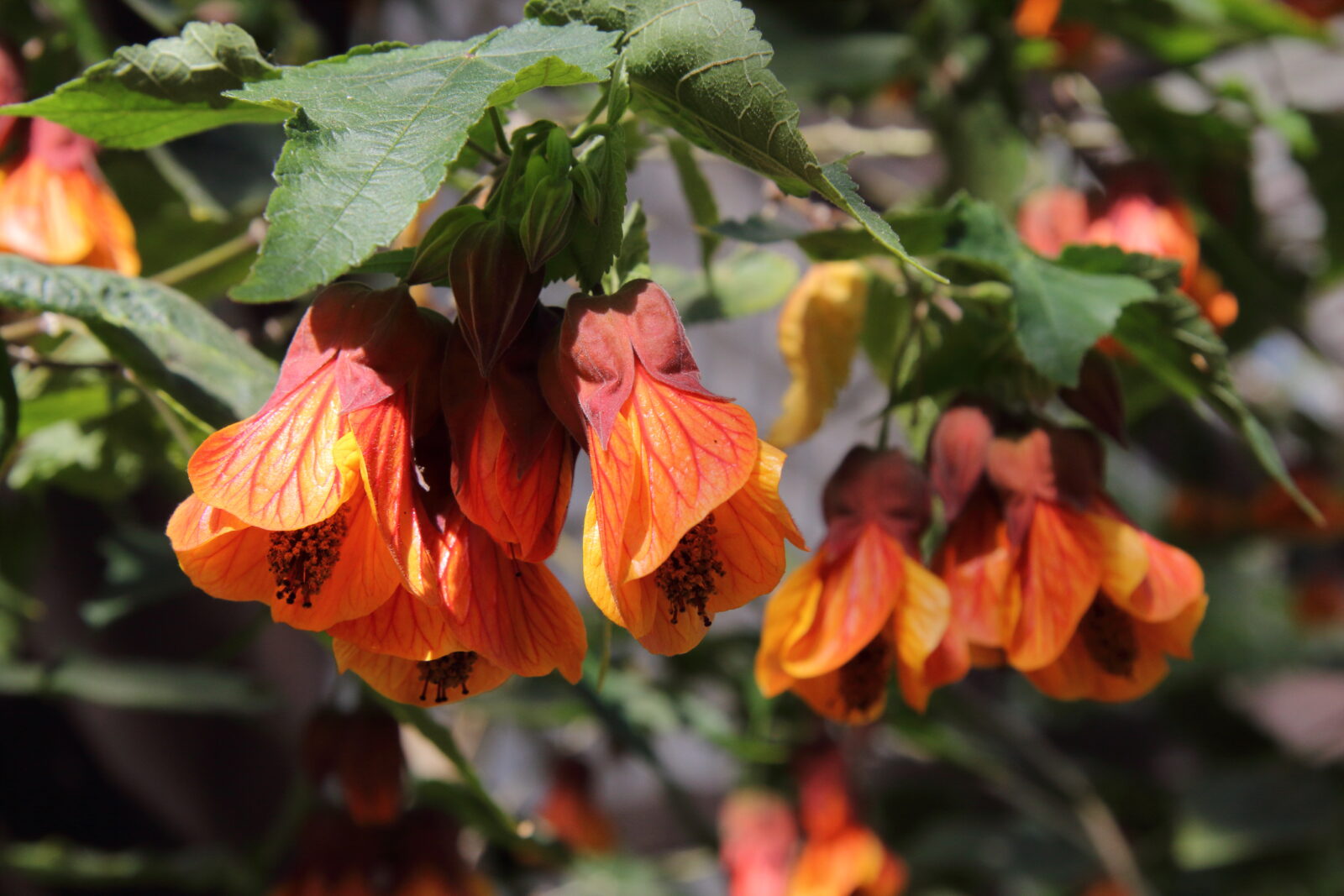
| ‘Orange Glow’, ‘Orange Hot Lava’, ‘Apricot Belle’, ‘Linda Vista Peach’ | Orange-to-apricot blooms; ‘Orange Hot Lava’ features orange petals with deep red veins and dark red calyces. | Hot-colored patio planting; pairs brilliantly with dark foliage. |
| ‘Satin Pink Belle’, ‘Red Queen’, ‘Red Goblin’, ‘Red Bells’ | Pink or red bell-flowered selections, differing mainly in hue and saturation. | Compact seasonal color, container displays, or conservatory accents. |
| ‘Nabob’ | Deep red flowers hanging from distinct purple stalks; a bushy, evergreen shrub. | Strong vertical or wall-trained accent; exceptional against pale masonry. |
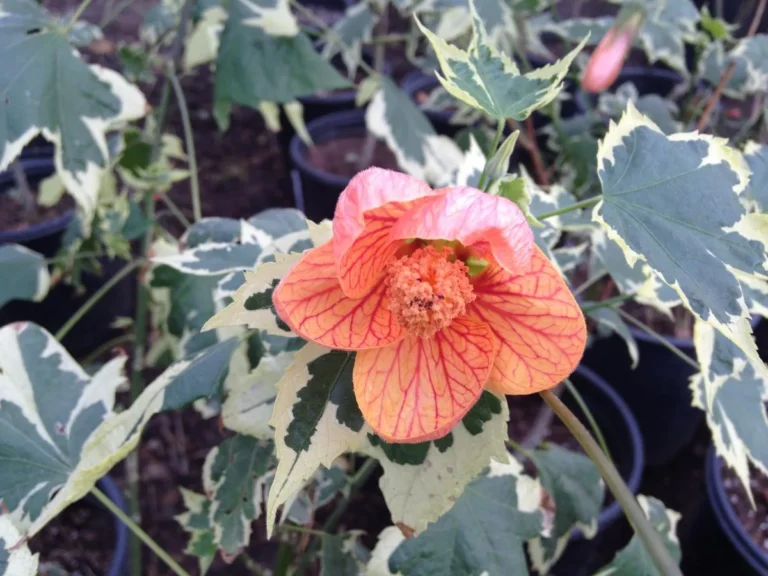
| ‘Red Tiger’ | Yellow to orange flowers heavily veined with red; a vigorous hybrid blooming from June to October. | A high-impact specimen placed where its “stained-glass” blooms can be admired up close. |
| ‘Lucky Lantern’, ‘Bellvue’ Mix, ‘Bell’ series | Commercial series or color mixes bred for compactness; the ‘Bell’ series peaks at roughly 18 inches tall. | Small pots, windowsills, or seasonal bedding-style displays. |
Close-Ups on Distinct Color Selections
‘Ashford Red’ and ‘Golden Ashford Red’
Steeped in mid-twentieth-century British horticulture, ‘Ashford Red’ stands out as one of the finest, most reliable historic red selections. It features a bushy, evergreen habit and produces an exceptional, rich bloom often described as “old Tudor brick” red. Unless definitive breeder or registration records prove otherwise, ‘Golden Ashford Red’ belongs in this exact same hybrid lineage. Its true value comes from the sheer depth and warmth of its crimson blossom rather than any dramatic departure in plant architecture.
‘Nabob’
Rather than representing a structurally unique species, ‘Nabob’ is best understood as a dramatic, collector-quality red hybrid. Its near-black, purple-tinted stalks hold rich crimson bells aloft, lending the plant a moodier, more sophisticated presence than standard red options. Position this cultivar as an explicit focal point where its dark stems and saturated bells can pop elegantly against a pale backdrop.
‘Red Tiger’
This plant commands attention entirely through its intricate floral patterning. Its heavily ruffled orange petals are mapped with deep red veins, creating a dazzling stained-glass effect that is easily one of the most show-stopping floral displays in the entire genus. To fully appreciate this performance, give it a place of honor where the downward-facing blossoms hang right at eye level—perhaps next to a frequent walkway, atop a raised terrace, or in a prominent patio container.
Series and Commercial Color Mixes
When browsing options like ‘Lucky Lantern’, ‘Bellvue’ Mix, and the ‘Bell’ series, it is best to view them as smart retail categories rather than unique botanical discoveries. Whether you buy the red, yellow, pink, or apricot selections within these groups, they all share a heavily bred, compact stature designed for container life. The ‘Bell’ series is particularly famous for its diminutive proportions. When shopping these series, let your available space and color preferences guide you, as their long-term garden behavior remains identical.
The Variegated Foliage Forms
Variegated choices deliberately shift the spotlight away from the blossoms and directly onto the leaves. They are invaluable for keeping a design engaging long after the main blooming season has waned, though gardeners should note that these pale-patterned leaves can sometimes scorch under intense, direct sunlight.
Abutilon ‘Savitzii’
This evergreen shrub flips the script by offering maple-like foliage framed by a massive, creamy-white border, which easily outshines its sparse, muted orange-brown blossoms. ‘Savitzii’ acts as an exceptional light-catcher in the garden. Use it to brighten up a shaded conservatory, a protected courtyard, or a large statement container.
Abutilon ‘Variegatum’
The label ‘Variegatum’ is notoriously messy in the nursery trade, popping up across several different taxonomic categories. In the context of standard hybrid abutilons, it simply refers to a plant sporting gold-and-green variegated foliage. It is most practical to treat generic references to ‘Variegatum’ as a loose foliage category, while strictly reserving Abutilon megapotamicum ‘Variegatum’ for the highly distinct, trailing form derived from the species.
Abutilon pictum ‘Thompsonii’
Abutilon pictum ‘Thompsonii’ announces itself with brilliant, yellow-mottled foliage. The parent species features sharply toothed, three- to seven-lobed leaves and orange-yellow flowers laced with dark crimson veins. The cultivar elevates this look with gold-and-green splashed leaves paired with warm salmon-to-orange flowers, creating a sensational container specimen where foliage and flower carry equal design weight.
While it shares visual ground with ‘Souvenir de Bonn’, the two use entirely different patterns. ‘Thompsonii’ relies on a broken, mottled, or splashed layout, while ‘Souvenir de Bonn’ sticks to clean, solid cream margins.
Abutilon ‘Souvenir de Bonn’
Though not a part of every collector list, ‘Souvenir de Bonn’ remains the definitive benchmark for all variegated flowering maples. Reaching an impressive 1.5 to 2.5 meters, it showcases deep green leaves crisply edged in clean cream, perfectly balanced by soft orange blossoms. This stellar performance earned it the Royal Horticultural Society’s (RHS) Award of Garden Merit back in 1993. In any comparative design, use its tailored marginal variegation as a baseline to evaluate the broken yellow splashes of ‘Thompsonii’ or the ultra-wide cream borders of ‘Savitzii’.
Rare Variegated and Collector Forms
Plants such as Abutilon × milleri ‘Variegatum’, ‘Patrick Synge’ variegated, and the elusive Cannington variegated selections belong firmly in the realm of the plant specialist. While eagerly traded on seed exchanges and sought out by collectors, their commercial availability and formal documentation pale in comparison to standard-bearers like ‘Souvenir de Bonn’ or ‘Thompsonii’.
Rare Flower Forms
Abutilon ‘Twister’
This selection earns its spot in the garden purely for a fascinating quirk of its petals: they appear distinctly twisted when in bud or when the blossom is partially closed. Rather than treating it as a foundational landscape workhorse, use ‘Twister’ as an intimate conversation piece. Specialized nurseries note that it reaches about 48 inches tall and thrives anywhere from full sun to partial shade.
The Collector’s Index to Rare Forms
The following named cultivars are highly worth preserving as distinct historical records. However, they do not require standalone consumer guides unless future evidence reveals a totally unique growth habit, significant commercial availability, formal awards, or a deep historical pedigree.
- ‘Cannington David’, ‘Cannington Peter’, ‘Cannington Sally’, and ‘Cannington Sonia’: This elite squad was developed during the 1970s at Cannington College in Somerset, with at least a few members sporting variegated foliage. ‘Cannington Peter’ stands out proudly as an RHS Award of Garden Merit holder.
- ‘Patrick Synge’ Variegated: A treasure for collector nurseries, this variegated form persists in specialist catalogs but remains largely absent from mainstream gardening literature.
- ‘John Thompson’: Keep this name active in historical and collector registries while we await clearer documentation regarding its true origin and habit.
- ‘Heather Bennington’ and ‘Hinton Seedling’: These specialist names are best cataloged in a collector’s index, with their day-to-day cultivation matching standard hybrid abutilon care.
- ‘Cannington Carol’: A vital piece of context for the Cannington lineage; this selection holds an RHS AGM and perfectly represents the college’s rich variegated breeding history.
For the true collector, the magic lies in provenance and leaf geometry, not in a reinvented care routine. A proper collector’s label should always clearly note the cultivar name, source, foliage pattern, flower color, and any historical notes or AGM status.
Taxonomic Realignment: Abutilon vs. Callianthe
A significant botanical shift is underway: several plants long sold as Abutilon have been formally reclassified under the genus Callianthe. Kew’s Plants of the World Online recognizes Callianthe as a distinct genus native to regions spanning from Mexico down into southern tropical America. Crucially, this includes Callianthe megapotamica—the modern accepted name for the classic garden favorite Abutilon megapotamicum.
This update directly impacts how we label and understand these plants. The cultivar ‘Orange Hot Lava’, for instance, routinely shuffles between Abutilon and Callianthe in modern plant indexes. Records indicate it was bred in 2005 by Luen Miller of Monterey Bay Nursery, utilizing C. megapotamica parentage. To maintain botanical accuracy, any cultivars bred from or allied to Callianthe megapotamica must be addressed within a dedicated Callianthe framework, rather than quietly swept into Abutilon profiles just because older catalogs did so. For universal cultivation guidelines and winter care metrics, refer to the Abutilon master guide to keep your plants thriving.
Dynamic Design Combinations
The Sizzling Hot Border
Interplant fiery choices like ‘Orange Hot Lava’ or ‘Red Tiger’ with dark-foliaged dahlias, bronze fennel, or deep purple salvias. The intense red veining and moody calyces of the flowering maples gain an incredible, brooding electricity when contrasted against dark, somber companions.
The Conservatory Foliage Exhibition
Group ‘Savitzii’, A. pictum ‘Thompsonii’, and ‘Souvenir de Bonn’ side by side to stage a masterclass in variegation. Together, they showcase three completely distinct leaf arts: clean cream margins, golden mottling, and ultra-wide ivory borders.
The Serene White and Green Vignette
Combine the pristine blooms of ‘Boule de Neige’ or ‘White King’ with a lush understory of native ferns, structural hostas, or softly variegated abutilons. This produces a cool, deeply restful sanctuary in shadier garden spots.
The Collector’s Container Gallery
Grow ‘Nabob’, ‘Twister’, and a prized Cannington selection in individual, matching pots clustered closely together. This arrangement allows visitors to examine and compare their highly eccentric floral architectures—from deep crimson bells and twisted petals to intricately patterned leaves—at perfect close range.
The Small-Space Solution
Where garden real estate is at a premium, turn exclusively to a ‘Bell’ series or ‘Lucky Lantern’ choice. These compact selections fit beautifully into tight spaces that would easily be overwhelmed by the rampant, untamed vigor of an ‘Ashford Red’ or a ‘Red Tiger’.
The Smart Buyer’s Labelling Checklist
Before bringing a new named abutilon home from the nursery, run through these quick verification steps:
- Look at how the seller lists the plant. Are they using Abutilon or Callianthe? This is especially critical for any megapotamicum-derived varieties.
- Determine if the plant is a genuine, stable named cultivar or simply a generic color form masquerading as a trade name.
- Examine the foliage patterns closely. Is the variegation cleanly marginal, finely mottled, or casually splashed? This detail is often your single best clue for accurate identification.
- Identify where the plant’s unique traits lie. Is the true distinction found in the flower color, veining, calyx shape, or petal form, rather than a genuinely unique growth habit?
- Verify the plant’s pedigree. Does the name carry official RHS recognition, a coveted AGM status, or a verifiable historical origin?
By viewing the world of flowering maples not as a confusing collection of dozens of isolated species, but as a beautiful, logical visual spectrum—ranging from color hybrids and variegated foliage to rare curiosities and Callianthe relatives—we can design with confidence. This clear approach honors the true identity of exceptional cultivars while keeping our garden classification clean and straightforward.