The Bluest Choice: Why Abies concolor ‘Violacea’ Outshines the Standard White Fir
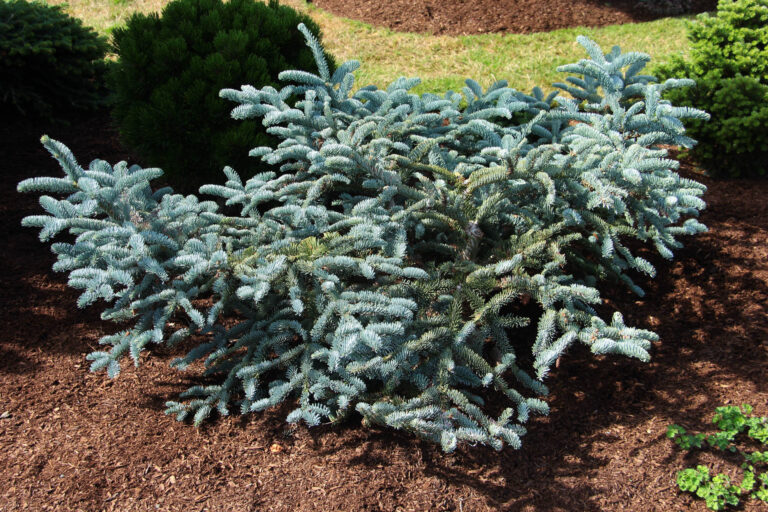
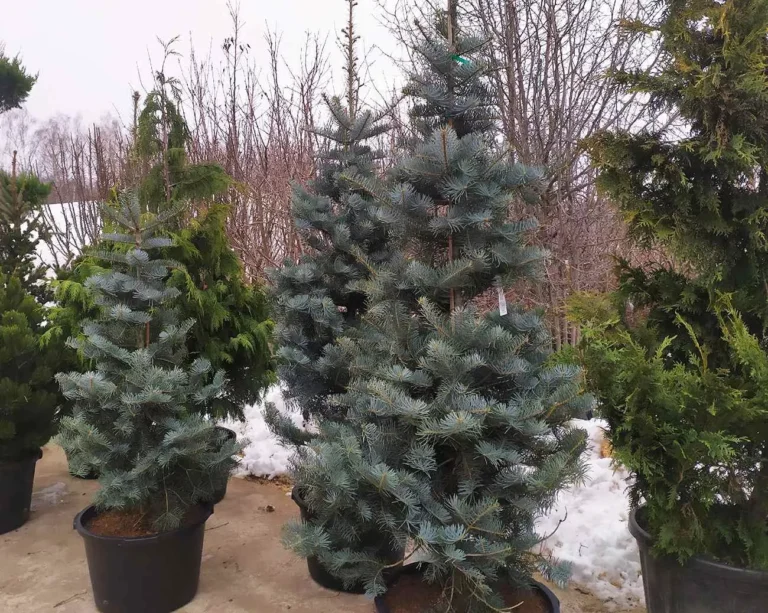
In the world of grand evergreens, few trees command attention quite like Abies concolor ‘Violacea’. Known widely among enthusiasts as the Purplecone or Violacea White Fir, this celebrated conifer represents the absolute pinnacle of the Violacea Group—a elite selection of white firs distinguished by an extraordinarily intense, glaucous coloration. Its striking hue is a dramatic departure from the standard species, showing off a frosted, steel-blue shimmer that has historically earned it the title of “the bluest of the firs”. Dendrologists often compare its brilliant coloration to the finest Colorado blue spruces, yet it brings a completely different texture and elegance to the landscape.
The origins of ‘Violacea’ trace back to a remarkable seedling selection discovered in the late 19th century. Recognizing the plant’s exceptional merit, growers quickly worked to preserve its unique characteristics through meticulous grafting onto species understock. While modern botany classifies this tree within the broader Violacea Group—acknowledging that a handful of similarly colored selections exist in the trade—the classic ‘Violacea’ remains the definitive gold standard for gardeners seeking the most reliable, piercing silver-blue form.
Shimmering Needles and Year-Round Spectacle
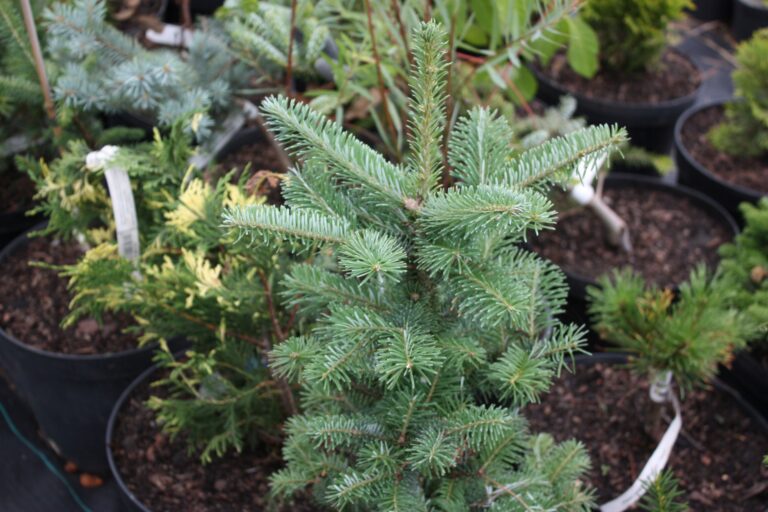
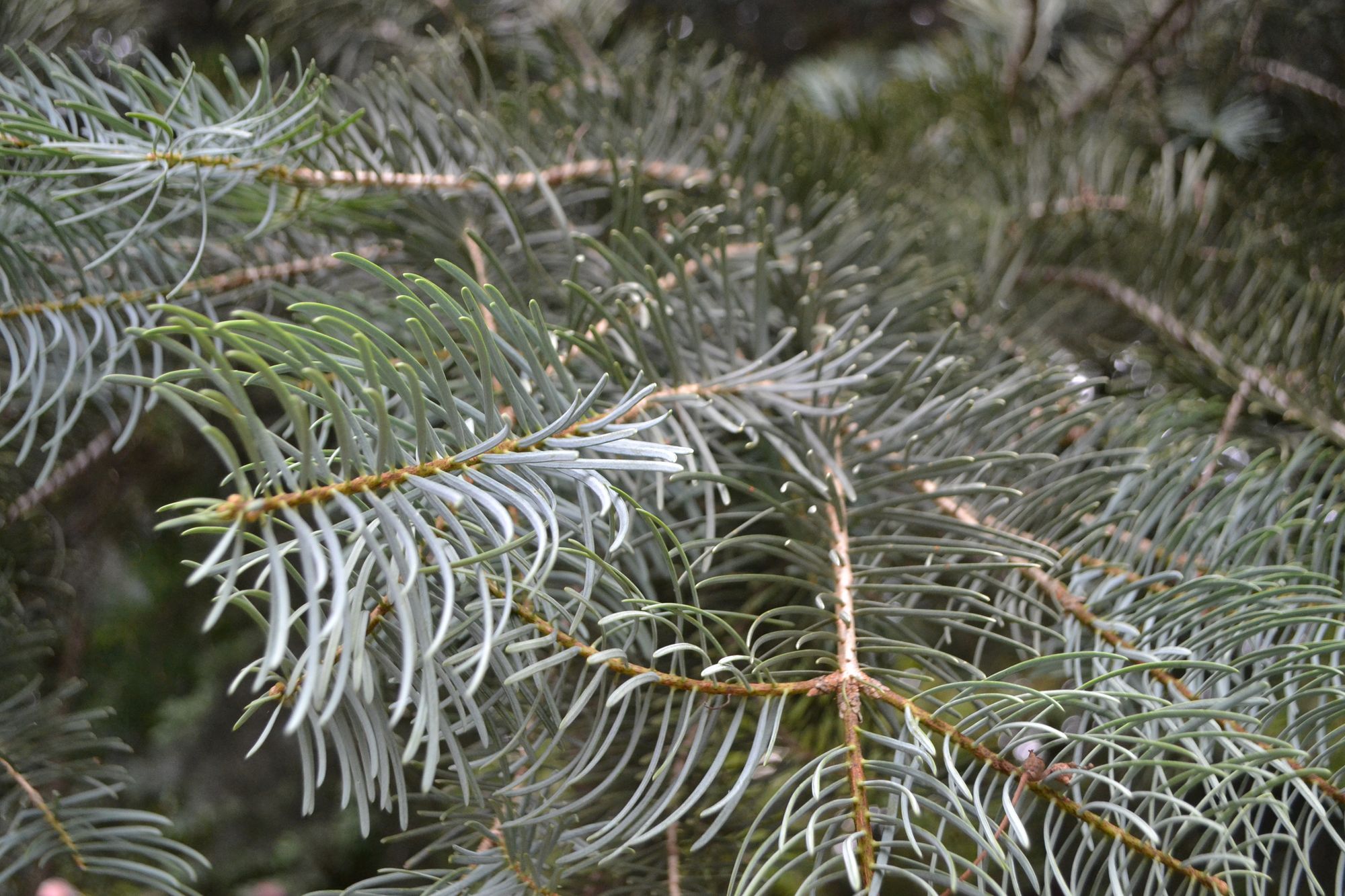
The true genius of ‘Violacea’ lies in its magnificent foliage. The tree produces long, soft, flattened needles stretching 2 to 3 inches (5 to 7.5 cm) in length. Unlike many conifers that display a bright hue only on the upper surface, these needles are heavily frosted with a glaucous bloom on both sides, creating a highly luminous effect. They spread horizontally along the shoots before gently curving upward, forming a distinctive “rib-cage” layout that plays beautifully with shifting sunlight. Crucially, while inferior blue firs often dull to a muddy green as the seasons advance, ‘Violacea’ holds its cool tone tenaciously over time.
As the year unfolds, the tree undergoes subtle, elegant transitions:
- Spring and Summer: The canopy erupts in a flush of fresh, brilliant silver-blue and grey-silver, achieving its maximum vibrancy when bathed in full sun.
- Autumn and Winter: The foliage matures into a deeper, sophisticated pale blue-green and grey-silver, offering an indispensable architectural anchor during the bleakest months of the year.
Beyond the purely visual, these needles invite physical interaction. They are wonderfully soft to the touch—completely lacking the aggressive sharpness of spruces—and release a clean, refreshing fragrance when gently crushed between your fingers.
The Intricacies of Cones and Reproduction
As the tree reaches maturity, it adds another layer of seasonal interest through its reproductive features. High in the upper canopy, ‘Violacea’ bears upright, barrel-shaped cones that sit vertically upon the sturdy branches. In their youth, these cones are highly ornamental, showing off a murky, grey-blue hue that frequently carries a distinct violet cast.
As autumn approaches, the cones ripen into a rich brown before slowly disintegrating right on the branch. This natural shedding mechanism means you can enjoy the structural beauty of the cones without dealing with the messy, frustrating litter on the lawn below. In the spring, the tree also produces small, pollen-bearing yellow catkins alongside inconspicuous yellow-brown female flowers. For the best possible cone display, place the tree in an open, sun-drenched spot, which naturally stimulates heavier production as the specimen ages.
Proportions, Presence, and Growth Expectations
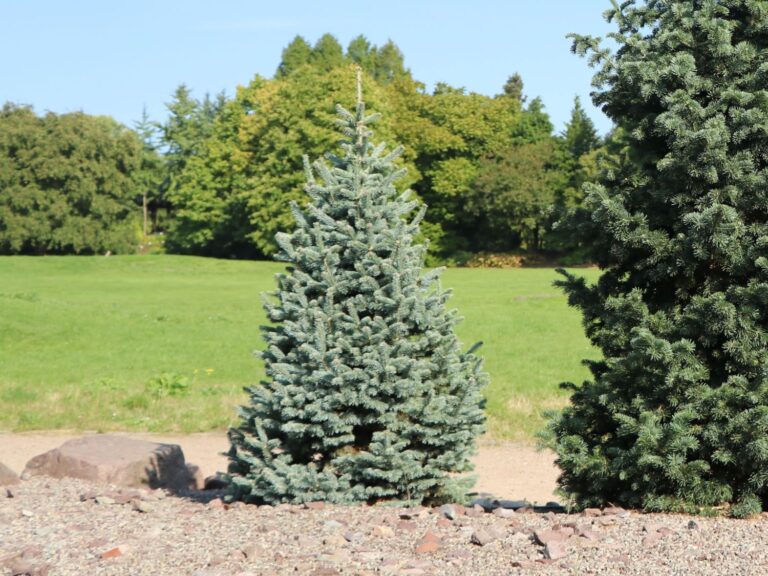
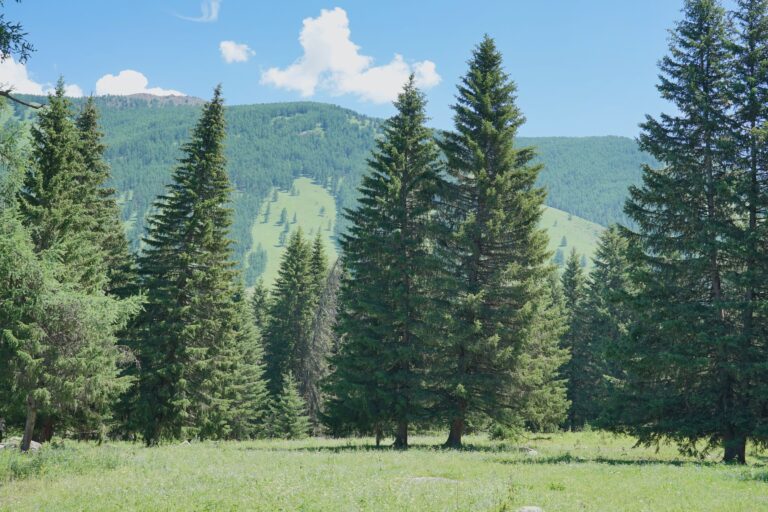
When mapping out a place for ‘Violacea’ in your landscape design, it helps to understand its ultimate scale and growth habit. The tree naturally develops a commanding, symmetrical silhouette, defined by strong horizontal branches that build a flawless conical to pyramidal frame. It tends to grow more densely clothed in foliage than the straight species, creating a solid, stately screen. While wild white firs can reach gargantuan proportions, ‘Violacea’ remains far more manageable in a managed garden environment:
- Typical Mature Height: Generally settles between 40 and 50 feet (12 to 15 meters) in a standard landscape, though it can climb to 75 feet (23 meters) under absolutely perfect cultural conditions.
- Mature Radial Spread: Spreads comfortably across 20 to 25 feet (6 to 8 meters) at the base.
- Pace of Growth: Expect a slow to moderate growth rate. In standard commercial nursery settings, a young specimen typically measures around 4 meters tall by 3 meters wide after 10 years. This deliberate pace makes it an excellent choice for thoughtful, long-term landscape features rather than quick, unruly privacy screening.
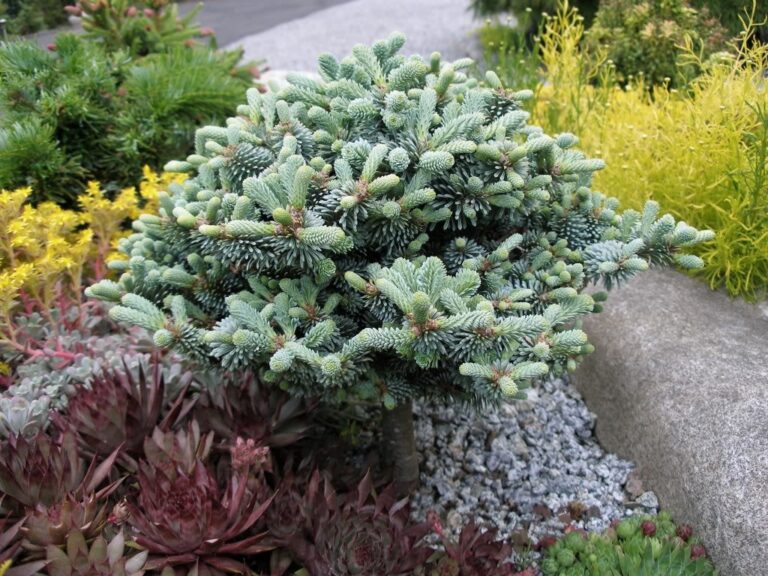
If you love the frosty coloration but are working with limited square footage, look for its compact sibling, ‘Violacea Compacta’ (frequently sold simply as ‘Compacta’). First described by German dendrologist Ludwig Beissner in 1891 and brought to the commercial trade in 1923, this dwarf variation delivers the exact same icy-blue foliage but packages it into a much tighter, slower-growing frame.
Masterful Landscape Siting and Companion Planting
To unlock the full visual potential of ‘Violacea’, location is everything. The intense glaucous bloom requires full sun to look its absolute best. While the tree will survive in light shade, a lack of direct sunlight will cause the silver-blue color to lose its brilliant edge.
Thanks to its clean geometry and cool palette, this conifer shines in a variety of design roles:
- As a Majestic Specimen: Plant it standalone on a sweeping lawn or within a large gravel garden where its pristine silhouette can be admired from every angle.
- As a Border Focal Point: Situate it within deep mixed borders to create an anchor against which warm-toned deciduous plants can pop.
- As a Winter Backdrop: Use its solid vertical form to provide crucial structural weight behind perennial beds that die back in the autumn.
- In Containers: Enjoy younger specimens in large pots or tight courtyard gardens for several years before they eventually outgrow the space.
Creating Perfect Plant Partnerships
The cool, frosted needles serve as a magnificent canvas for contrasting colors and textures. Consider pairing ‘Violacea’ with these exceptional companions:
- Fiery Autumn Foliage: The icy blue creates a breathtaking contrast next to the autumnal golds and crimsons of Japanese maples (Acer palmatum), the rich amber of witch hazels (Hamamelis), or the brilliant winter twigs of red-stemmed dogwoods (Cornus).
- Dynamic Ornamental Grasses: Flank the tree with the soft, cloud-like plumes of Miscanthus or the upright, linear blades of Calamagrostis to soften the rigid, geometric lines of the conifer’s branching.
- Under-Canopy Groundcovers: Populate the shade zone beneath the drip line with delicate spring bulbs like snowdrops and crocuses that finish blooming before the canopy thickens, or plant bold, moisture-loving perennials like hostas, hardy ferns, and the silver-veined leaves of Brunnera macrophylla.
- Acid-Loving Shrubbery: Over time, the natural drop of spent needles gently acidifies the local soil, creating the perfect habitat for companion shrubs like rhododendrons and pieris.
A quick word of warning: try to avoid planting aggressive, shallow-rooted species directly beneath the tree’s crown, as they will compete fiercely with the fir’s own sensitive surface roots.
Hardiness, Adaptability, and Soil Preferences
One of the greatest virtues of ‘Violacea’ is its sheer resilience, inheriting all the tough, adaptable traits of the native white fir. It handles challenging climates with ease:
- USDA Hardiness Zones: Performs flawlessly from zones 3 through 7, shrugging off winter lows down to -40 °C.
- RHS Hardiness Rating: Holds a robust H6 rating.
- Climate Tolerance: Once its root system is fully established, this cultivar boasts significantly better heat and drought tolerance than almost any other fir on the market, making it the premier choice for temperate regions that experience baking summer heat.
For the best results, give this tree a home in deep, exceptionally well-drained, humus-rich soil. While it is far less demanding about constant soil moisture than its Abies cousins, regular deep watering during its initial few seasons in the ground is vital for building a deep, resilient root network. It is remarkably flexible regarding soil chemistry, adapting comfortably to a broad pH spectrum ranging from slightly acidic to slightly alkaline.
Cultivation Note: For comprehensive, step-by-step instructions regarding site preparation, planting techniques, irrigation schedules, and long-term tree health, please consult our foundational Master Growing Guide for White Fir (Abies concolor). This specific profile is dedicated exclusively to the unique aesthetic values, design uses, and identity of the ‘Violacea’ cultivar.
The Competitive Edge: ‘Violacea’ vs. Other Blue Conifers
When deciding between evergreens, it helps to see exactly how ‘Violacea’ stacks up against its closest relatives and competitors.
| Feature | Abies concolor ‘Violacea’ | Typical Abies concolor (Species) | Colorado Blue Spruce (Picea pungens) |
| Foliage Color | Intense, luminous silver-blue; retains pale tone reliably. | Standard blue-green to dull grey-green; can fade with age. | Bright steel-blue to green-blue; varies wildly by specimen. |
| Needle Texture | Long, flat, and remarkably soft to the touch. | Long, flat, and moderately soft. | Stiff, square, and fiercely sharp/prickly to touch. |
| Branching & Form | Highly symmetrical, dense horizontal layers. | Open, occasionally irregular or loose branching. | Rigid, dense, often grows very wide and coarse over time. |
| Garden Safety | Child- and pet-friendly due to soft foliage. | Generally safe and easy to work around. | Sharp needles require caution near pathways and play areas. |
| Young Cones | Highly decorative grey-blue with a violet cast. | Standard green to dull purple-brown. | Inconspicuous tan to straw-colored cones. |
The Plant Profile at a Glance
- Botanical Classification: Abies concolor (Violacea Group) ‘Violacea’
- Common Industry Names: Violacea White Fir, Purplecone White Fir
- Foliage Characteristics: Long, remarkably soft, flattened needles; striking silver-blue to pale blue-green hue; evergreen
- Cone Display: Upright, barrel-shaped; gorgeous grey-blue in youth, ripening to brown; naturally breaks apart on the tree without messy litter
- Growth Habit: Large, stately, and highly symmetrical conical-pyramidal form with flat, horizontal branching
- Landscape Scale: Typically matures to 40–50 feet tall and 20–25 feet wide; reaches roughly 4m × 3m at the 10-year mark
- Hardiness Ratings: USDA Zones 3–7; RHS H6
- Primary Design Applications: Perfect as an estate specimen, architectural focal point, or structural anchor for large residential gardens and open parklands
- Landscape Value: Offers a cool, luminous color pop that contrasts beautifully with autumn-foliage shrubs; provides brilliant winter structure; integrates seamlessly with ornamental grasses and shade-loving woodland perennials