Abelia × grandiflora ‘Francis Mason’ – Complete Growing Guide
Every year around late July, I walk around my yard and get a little depressed. The spring-blooming shrubs look like generic green blobs, the hydrangeas are crisping up in the humidity, and everything just looks tired.
Except for the Abelia × grandiflora ‘Francis Mason’.
If you aren’t growing this thing, you’re missing out on one of the easiest ways to keep your landscaping from looking dead in August. I originally bought one a few years ago just to fill a boring corner near my patio, and it has easily become one of the hardest-working plants I own. It’s colorful for nine months out of the year, bugs leave it alone, and it requires almost zero effort on my part. It is a brilliant example of why the wider Abelia genus is such a quiet workhorse in the garden.
The Color Shift is Real
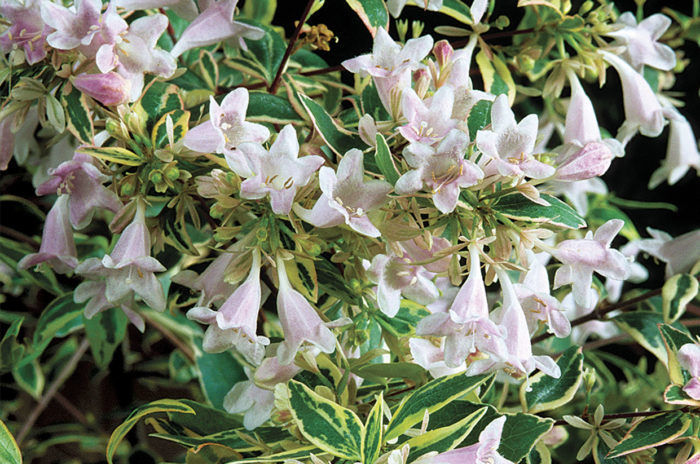
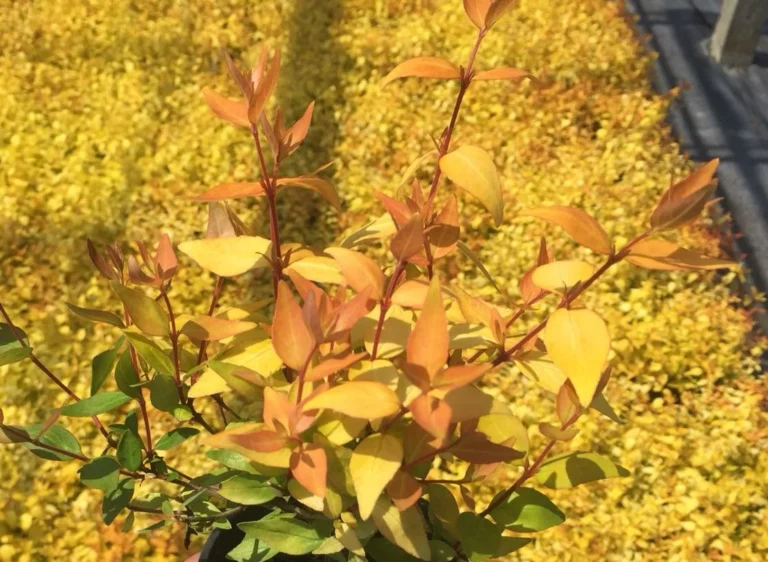
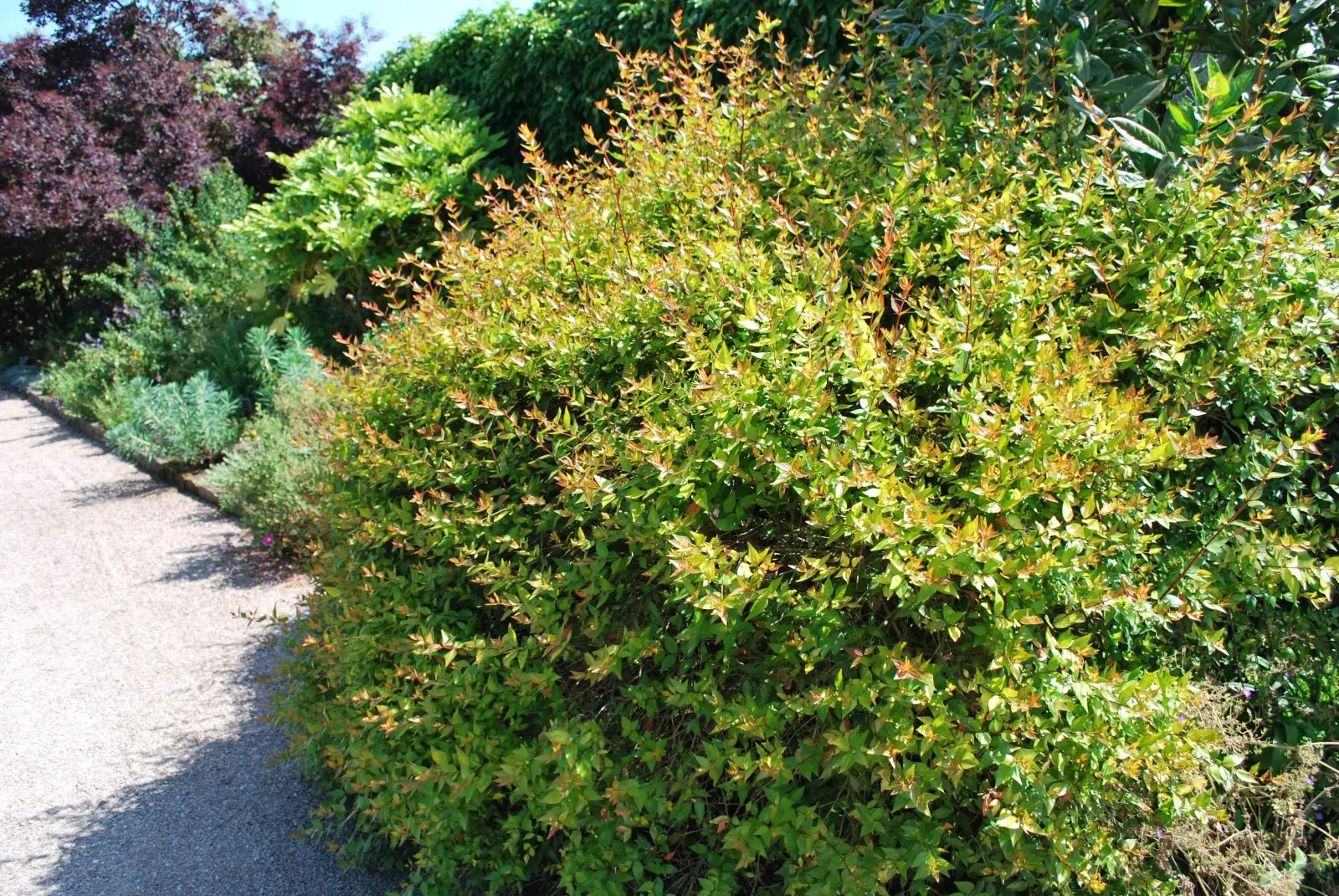
Most people buy shrubs for the flowers, but with ‘Francis Mason’, the foliage is the real draw. It pushes out this bright, buttery yellow growth in the spring that eventually settles into a nice gold and green variegation during the summer.
A lot of gold-leaf plants tend to bleach out and look sick under the brutal summer sun, but this one actually gets brighter the more sun you throw at it. Just don’t plant it in the shade—if you do, the gold fades back to a dull green and the branches get incredibly thin and leggy as they stretch for light. Give it at least six hours of direct sun.
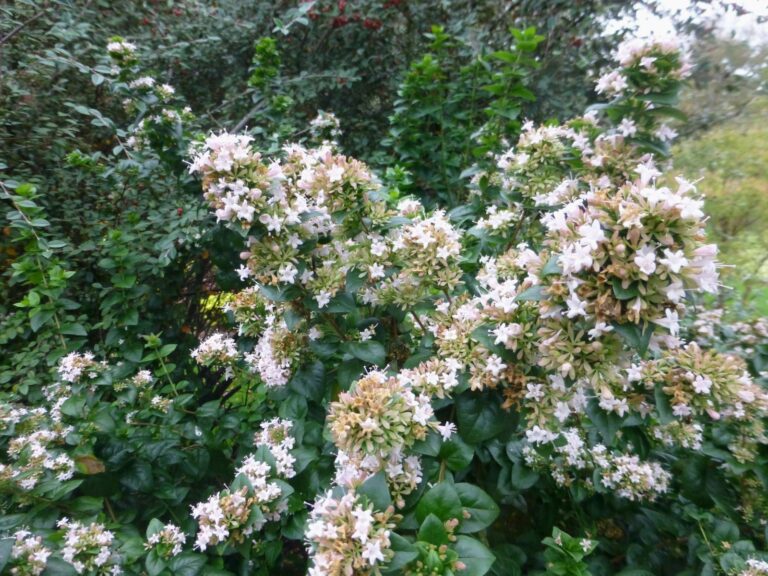
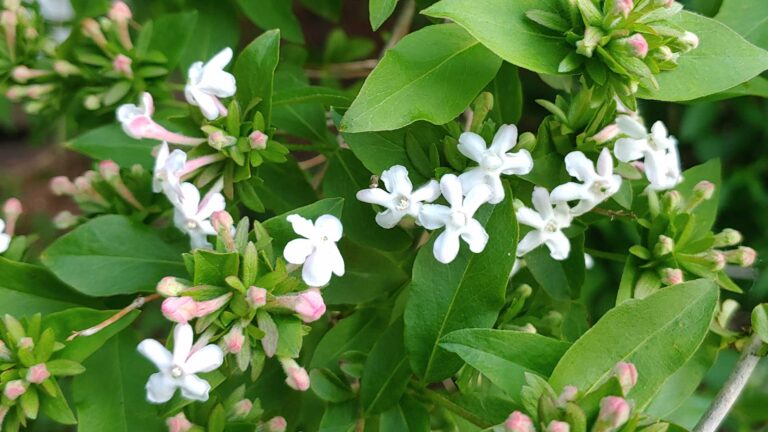
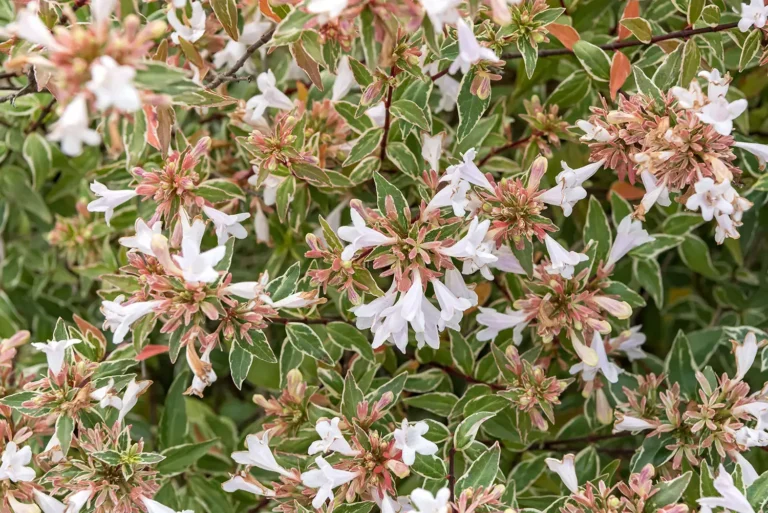
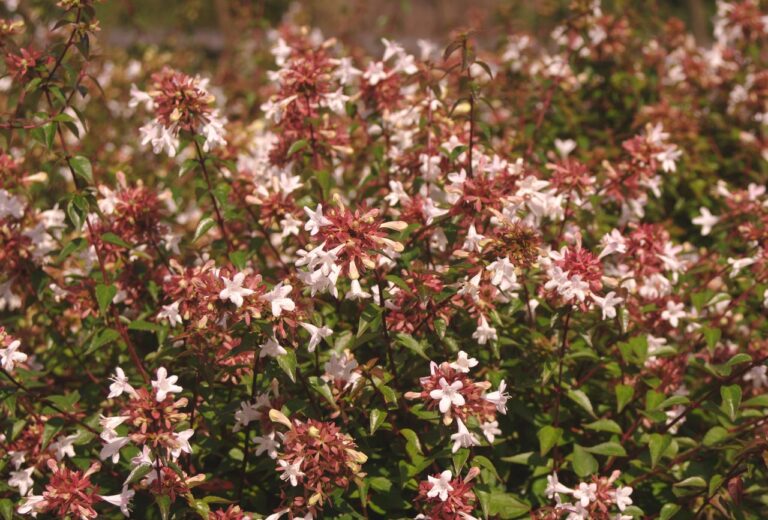
Then, right around midsummer, it starts pushing out these clusters of tiny, pale pink bell flowers. They have a faint, sweet smell, and the bumblebees absolutely go nuts for them. Even after the flowers drop in October, the little pink cups (the calyxes) stay on the stems, so the plant keeps a warm, coral-pink hue all through the fall. Once the winter cold hits, the whole shrub turns a gorgeous burgundy-bronze.
Size and Where to Put It
A quick reality check on hardiness: it’s generally rated for Zones 6 through 9.
Down South, it’s basically evergreen and keeps its leaves all year. Up here in the colder zones, it behaves more like a semi-evergreen. In a really bad winter, you might notice the tips of the branches dying back from the freezing wind. Don’t freak out. Just leave it alone until spring, snip off the dead tips, and it will push fresh growth right back from the base. If you live in a colder climate, just try to plant it in a spot that’s protected from those brutal northern winter winds.
Soil and Planting: Don’t Overthink It
The only thing that will absolutely kill this plant is wet feet. If you plant it in heavy, compacted clay where water pools after a rainstorm, the roots will rot and the plant will die. It needs soil that drains well.
When you plant it, just dig a hole a bit wider than the pot, set it in so the base of the plant is level with the ground, and backfill it with your native dirt. Throw a couple of inches of mulch around it to keep the roots cool, but make sure the mulch isn’t piled up right against the wooden stems. Water it once or twice a week for the first summer until the roots get established. After that, it’s incredibly drought-tolerant. I rarely water mine unless we go weeks without a drop of rain.
The No-Stress Pruning Routine
The biggest mistake I see people make with abelia is taking hedge trimmers to it to make a perfect, formal round ball. Please don’t do this. Shearing it destroys the natural, arching shape and creates a dense outer shell of leaves with a completely bare, ugly interior.
- I find two or three of the oldest, thickest, ugliest woody stems and cut them down completely to the ground. This opens up the center of the plant for airflow and forces it to shoot up vibrant new canes.
- I take the rest of the branches and just trim them back a few inches to a healthy-looking bud to keep the overall shape bushy and full.
A Few Minor Snags
Occasionally, you might get a flush of aphids on the tender new growth in the spring, but I usually just blast them off with a sharp stream from the garden hose and let the ladybugs handle the rest.