The Perfect Abelia Growing Conditions: Soil, Climate, and Winter Care
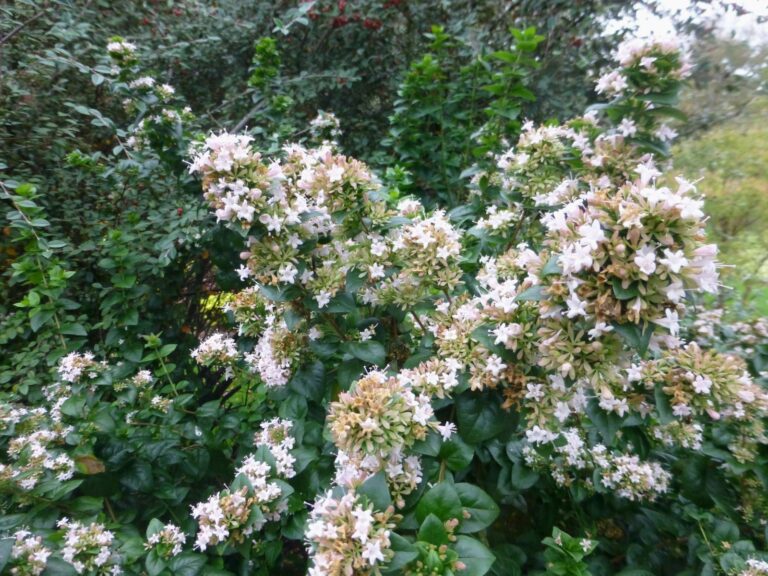
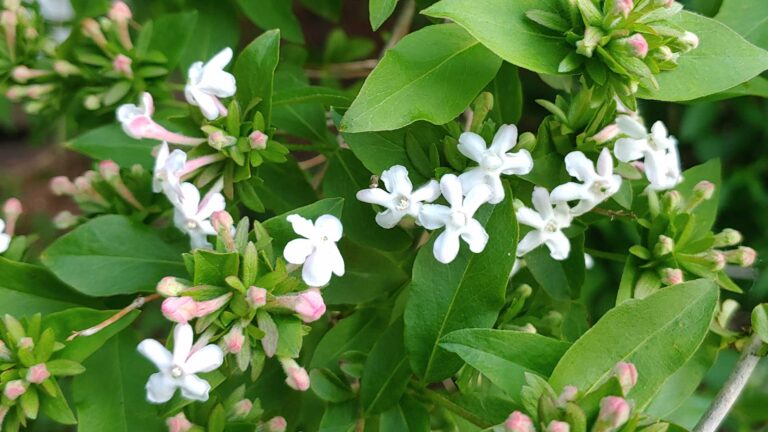
If you’re looking for a landscape workhorse that works overtime without demanding a paycheck, let me introduce you to glossy abelia (Abelia × grandiflora). In a world of finicky, one-hit-wonder plants, abelia is a breath of fresh air. It pumps out fragrant, pale pink, tubular flowers from the dog days of July right up until the first hard frost, all while showing off glossy foliage that holds its own across the seasons.
But here’s the honest truth: while abelia is incredibly adaptable, it won’t tolerate a few specific insults. If you want it to truly thrive rather than just survive, you need to master three interconnected things: giving its roots reliable drainage, picking the right spot for your specific winter climate, and keeping the leaves from cooking in intense summer heat. Let’s get our hands dirty and break down exactly how to get it right.
The Hardiness Zone Reality Check
On paper, glossy abelia is usually rated for USDA Zones 6 through 9. But if you live in the upper Midwest or the interior Northeast (Zones 5 and 6), don’t cross it off your plant shopping list just yet.
In these chillier regions, you just have to adjust your expectations. Instead of behaving like a permanent, evergreen shrub, abelia acts more like a die-back perennial. When a brutal winter delivers prolonged sub-zero temperatures, the top growth is going to blacken and collapse. Don’t panic, and don’t dig it up. The root system is tough as old boots. Come late spring, it will push out vigorous new shoots from the crown. Because abelia blooms on “new wood” (the current season’s growth), those brand-new stems will still deliver a spectacular show of flowers by midsummer.
If you are gardening on the frozen edge of its range, choice of cultivar matters. Look for selections like ‘Sweet Emotion’, which has fantastic bred-in cold tolerance specifically for Zones 5–9. You can also cheat your local climate by playing with microclimates. An abelia labeled for Zone 6 might struggle in a wide-open, wind-whipped corner at 5°F, but that exact same plant can easily thrive at 10°F if it’s tucked against a warm, south-facing brick wall or nestled into a sheltered courtyard.
The Ultimate Sin: Wet Feet
-
- Dig a hole exactly 12 inches deep and 12 inches wide.
- Fill it to the brim with water and walk away, letting it drain completely.
- Refill it a second time and track how fast the water level drops.
- The Verdict: A drop of 1 to 3 inches per hour is your sweet spot. If it’s draining slower than half an inch an hour, you have a serious clay or compaction issue that needs fixing.
How to Fix Heavy Clay (Without Creating a Bathtub)
A lot of old-school gardening advice tells you to dump a bag of sand or gravel into the bottom of a hole dug in heavy clay. Please don’t do this. All you are doing is creating a subterranean bathtub that collects water and drowns the roots. Instead, you need to improve the wider rooting zone. Here is a five-step game plan that works beautifully for abelia:
-
- Build Up, Not Down: Plant your abelia on a 4-to-10-inch mound of soil, or better yet, in a dedicated raised bed. Lifting the root crown above the wettest layer of earth is a lifesaver, especially in cold Zones 5 and 6 where winter wet compounds freeze stress.
- Put the Tiller Away: Avoid working clay soil when it’s wet, which destroys its structure. Stick to shallow cultivation or a broadfork, and let organic matter do the heavy lifting for you.
- Amend for Your pH: If you have acidic clay, a bit of lime can help flocculate those tight soil particles. If your clay is neutral or alkaline, gypsum is your best friend for opening up the soil structure. Test it on a small area first to see how it responds.
- The Master Soil Blend: If you’re building a raised bed or a large mound, aim for a balanced, airy mix. My go-to recipe is roughly 50% native soil, 30% compost or composted pine bark fines, and 20% coarse horticultural sand or grit. This gives the roots plenty of room to breathe without creating sharp drainage boundaries that trap water.
- Mulch Year-Round: Maintain a steady 2-to-4-inch layer of shredded bark, leaf mold, or high-quality compost over the soil. Mulch acts like a blanket, moderating soil temperatures, stopping summer clay from cracking, and keeping moisture steady. Just be sure to pull it back a few inches from the woody stems so you don’t invite crown rot.
Beating Summer Sun Scorch
Down South in Zones 8 and 9, your enemy isn’t the winter freeze—it’s the baking summer sun. While abelia needs plenty of sunlight to bloom its head off, intense afternoon heat can leave you with leaf scorch, turning the foliage bleached and the margins crispy brown.
To keep your plants looking pristine in hot, inland climates, keep these rules in mind:
-
- Siting: Choose a spot that gets glorious morning sun but offers some dappled shade or relief when the afternoon heat peaks.
- Acclimatization: Don’t shock your plants. If you buy an abelia that was sitting under shade cloth at the nursery and instantly plant it in blazing all-day sun, the leaves will scorch within 48 hours. Give it a few days to harden off in transitional light first.
- Water Management: Scorch is rarely just a sun problem; it’s usually a teamwork failure between high heat and drought stress. Keep the soil evenly moist—not soggy—during heatwaves, particularly during the plant’s first two years in the ground.
- Wind Protection: Block dry, searing winds where you can, as they wick moisture out of the leaves faster than the roots can replace it. If scorch does show up, leave it alone until spring has sprung, then prune out the ugly tips.
The Zone 5 & 6 Winter Survival Strategy
Fall Preparation
Winter Protection Tactics
-
- The Deep Freeze Blanket: In the dead of winter in Zones 5 and 6, you can pile on extra mulch up to 4 to 6 inches deep after the ground is frozen for maximum root protection.
- Burlap Windbreaks: For young, tender, or highly exposed shrubs, drive a few stakes into the ground on the windward side (usually the north or west) and wrap them with burlap. This simple screen blocks the bitter, drying winds that cause winter desiccation.
- Fleece Caution: Save the horticultural frost fleece for sudden, unseasonal cold snaps on young plants. Established shrubs don’t need it.
- The Patio Container Trap: Remember that potted abelias are sitting ducks because the freeze penetrates the sides of the pot. Move your containers into an unheated garage or a sheltered cellar for the winter. Check on them monthly, tossing them a splash of water only if the soil goes bone-dry.
Spring Recovery
When spring rolls around, take a deep breath and wait. Do not cut the plant back in late winter. Wait until the shrub wakes up and you can clearly see where the new growth is breaking. Once the line between life and death is obvious, snip away the brittle, blackened winter-killed wood down to where the healthy green tissue is emerging.
Planting and Ongoing Care
When and How to Plant
Watering and Feeding
Pruning and Maintenance
For routine shaping, do a light cleanup in late winter or early spring before the new growth starts, removing any dead, crossing, or damaged stems. Every three to four years, practice some rejuvenation pruning by cutting up to one-third of the oldest, woodiest stems right down to the ground. This keeps the shrub compact and full of energy. Best of all? No deadheading required. The spent blooms drop cleanly on their own without stopping the flower show.
Cultivar Breakdown: Choosing the Right Match
While the standard Abelia × grandiflora is an excellent choice, a few standout varieties offer specific advantages:
-
- ‘Sweet Emotion’: The top pick for northern gardens (Zones 5–9) thanks to its superb cold hardiness and highly fragrant, abundant blooms.
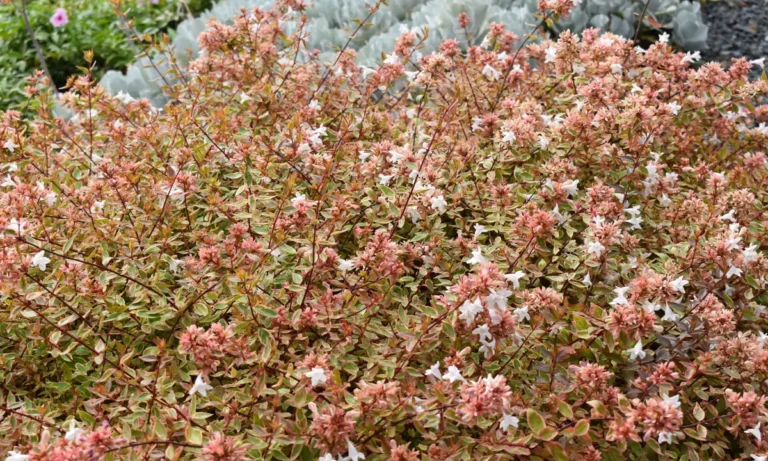
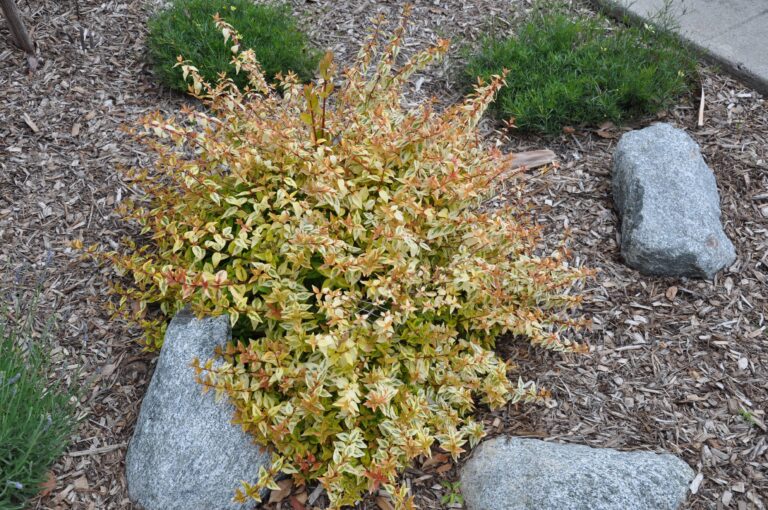
- ‘Kaleidoscope’: Famous for its stunning, color-shifting variegated foliage. It is reliably hardy in Zone 6b, but if you are trying it in Zone 6a, its survival depends entirely on a warm microclimate and great winter protection.
- ‘Ruby Anniversary’: Offers beautiful rich tones and standard hardiness, but it absolutely requires afternoon shade if you are growing it down south in Zone 9 to prevent leaf burn.
To see exactly how these physical traits and structural features rate across the rest of the family line, check out our unfiltered Abelia cultivar performance ratings.
Troubleshooting Quick Reference
- Yellowing leaves and stalled growth in clay? Your roots are drowning. Lift the plant and improve the drainage using raised mounds and organic matter. Never plant it into a waterlogged hole.
- Brown, crispy leaf edges in summer? Classical sun scorch. Give it some afternoon shade and step up your deep watering routine during heatwaves.
- Black, brittle stems after winter? Standard winter die-back in cold zones. Don’t panic—wait for spring, prune down to the live green shoots, and watch it regrow and bloom by July.
- Barely any flowers? It’s starving for sunlight. Move the shrub to a sunnier location or prune back overhanging tree branches to let the light in.