Abelia Troubleshooting: Pests, Diseases, and Non-Blooming Issues (Combining aphids, spider mites, powdery mildew, and nitrogen fertilizer fixes).
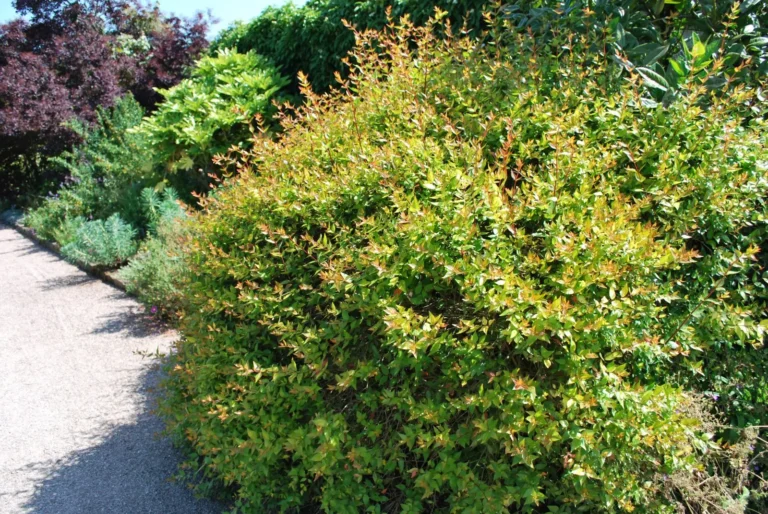
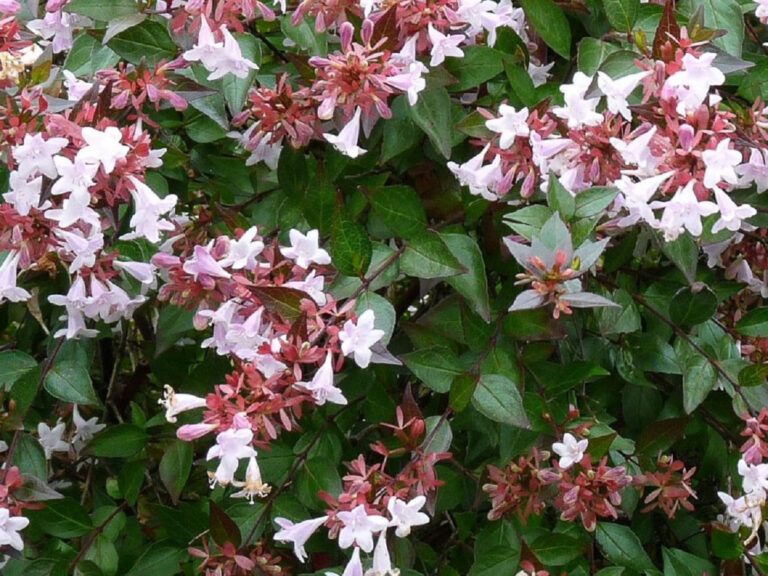
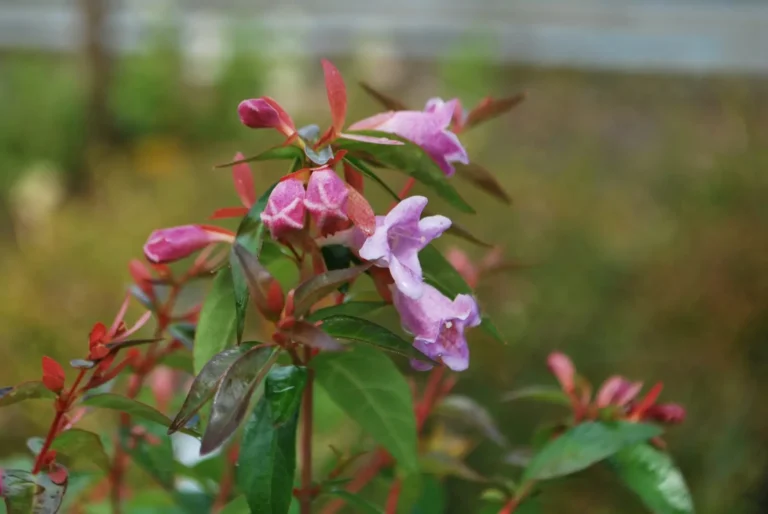
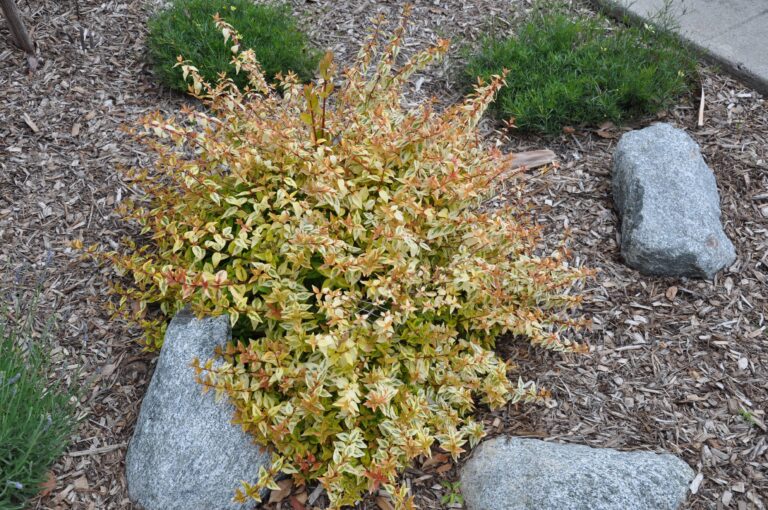
If you’ve got an abelia sitting out in your landscape—whether it’s a classic Glossy Abelia, a flashy ‘Kaleidoscope’, or a compact ‘Rose Creek’—you already know they are absolute workhorses. Most of the year, these shrubs just do their thing, pumping out sweet little flowers and surviving whatever crazy weather the seasons throw at them.
But every now and then, even the toughest plants hit a wall. Suddenly, you’re looking at sticky, curled-up leaves, a weird white dust on the branches, or a shrub that is lush and green but hasn’t put out a single blossom all summer.
When an abelia acts up, it’s almost always trying to tell you that something is off with its living conditions. The good news? The fixes are incredibly simple. Let’s walk through the four most common culprits ruining your shrub’s vibe, how to spot them, and exactly how to get your plant back on track.
1. The Pest Patrol: Aphids
We’ve all dealt with these little sap-suckers. They love to throw a party on the tenderest parts of your plant.
-
- How to spot the trouble: Look closely at your fresh new shoots, the undersides of the leaves, and around the flower buds. You’ll see clusters of tiny, soft-bodied bugs that might be green, brown, or black. If the leaves are curling up, or if they feel incredibly sticky and are covered in a ugly black film (that’s sooty mold), you’ve got aphids.
- Why they chose your yard: Aphids love lazy gardeners who over-fertilize. Too much nitrogen causes a massive flush of soft, juicy new growth that acts like an all-you-can-eat buffet for them. They also thrive if your shrubs are jammed too close together in stagnant, humid air.
- The Backyard Fix: Before you run to the garden center for chemicals, grab your garden hose. Set the nozzle to a sharp, strong jet and blast those colonies right off the stems. Do this every couple of days for a week or two, and you’ll drastically knock down their numbers.
While you’re at it, lay off the heavy fertilizer and invite some good guys to the party. Ladybugs, lacewings, and hoverflies love to eat aphids for breakfast. You can draw them in by planting nectar-rich companions nearby, like sweet alyssum or dill. If the infestation is truly out of hand, hit the plant with a good insecticidal soap or a 1% to 2% horticultural oil spray early in the morning or late in the evening when the sun isn’t baking the leaves.
2. The Summer Heat Enemy: Spider Mites
If it’s the middle of July, the air is bone-dry, and your abelia looks like it’s languishing, you’re likely dealing with spider mites.
-
- How to spot the trouble: You probably won’t see the mites themselves because they are microscopic, but you will see their paperwork. Look for ultra-fine silk webbing underneath the leaves and tucked between the twigs. The leaves will start looking stippled—like someone poked a million tiny pale dots into them—before turning an ugly bronze-yellow and dropping off.
- Why they chose your yard: Mites are opportunists. They absolutely thrive in hot, dusty, baking-sun locations, especially if the plant is stressed out and thirsty.
- The Backyard Fix: Water is your best weapon here, too. Mites hate moisture. Give the undersides of the leaves a powerful blast with the hose every three or four days for a few weeks to break up their breeding cycle.
More importantly, change how you water. Don’t just give the yard a light, daily sprinkle. Abelias want a deep, thorough soaking once or twice a week so the roots can really drink. Throw down a 2-to-3-inch layer of shredded bark mulch around the base (just keep it away from the main stems) to lock that moisture in the soil. If you live in an area with brutal, baking afternoon sun (like Zones 8 through 10), your abelia will thank you if you site it where it gets a little bit of high dappled shade during the hottest part of the day.
3. The Humidity Headache: Powdery Mildew
This is the classic fungal nuisance that makes your beautiful shrub look like it got dusted with baking flour.
-
- How to spot the trouble: You’ll notice distinctive white-to-gray powdery patches spreading across the tops of the leaves and stems. In bad cases, the foliage will twist out of shape and fall off.
- Why it happened: Powdery mildew loves crowded, shady, stagnant microclimates. If your abelia is crammed into a dark corner where the wind never blows, you’re basically rolling out the red carpet for this fungus.
- The Backyard Fix: First, grab your pruners, sanitize them with a little rubbing alcohol, and cut out the worst-looking branches to open up the center of the plant. Rake up and throw away any infected leaves that have dropped to the ground—don’t compost them, or you’ll just spread the spores next year!
To stop it from spreading to new growth, you can mix up an old-school homestead remedy: 3 tablespoons of horticultural oil and 3 tablespoons of baking soda dissolved into a gallon of water. Spray it all over the shrub in the late afternoon. Just remember: leaves that are already damaged won’t magically turn green again, but this will protect the beautiful new growth coming in behind it. Moving forward, make sure you water the plant right at the base early in the morning rather than splashing the leaves late at night.
4. The Frustrating Green Shrub: Why Won’t It Bloom?
There is nothing more annoying than an abelia that looks perfectly healthy, vibrant, and green—but refuses to give you a single flower. Because abelias bloom on “new wood” (the growth they put on during the current season), a lack of flowers usually boils down to a mistake in how you’re treating it.
-
- The Shadow Problem: Abelias need their sunshine. If it’s stuck in deep shade, it will grow leggy and stop blooming. The Fix: Make sure it gets at least 6 hours of direct sunlight every day.
- The Bad Haircut: If you grabbed the hedge shears and gave your shrub a heavy haircut in the late spring or mid-summer, you likely chopped off all the wood that was getting ready to bud out. The Fix: Only do your major pruning in the late winter or very early spring before the plant wakes up. If you want to tidy it up in the summer, just do a very light shaping right after a bloom cycle.
- The Nitrogen Trap: This is the most common mistake. If you are constantly throwing down high-nitrogen lawn fertilizer near your shrub, the plant gets confused. It thinks its job is to grow massive, dark green leaves, completely forgetting about making flowers. The Fix: Stop the green-up fertilizers around the root zone. Instead, in early spring, feed the shrub just once with a balanced, bloom-focused fertilizer (look for one where the middle number is higher, like a 5-10-5). This pushes the plant’s energy away from leaves and straight into big, beautiful blossoms.
The Master Checklist for Happy Abelias
If you want to keep your plants entirely problem-free, just pin this quick seasonal routine to your garage wall:
-
- Late Winter: Give the shrub a structural trim if it needs it, and scratch a modest dose of bloom fertilizer into the soil.
- Spring: Keep an eye out for early aphids on the new tips; blast them off with the hose immediately.
- Summer: Water deeply during dry spells. If it gets sticky and humid, watch for powdery mildew and treat it early.
- Fall: Clean up any fallen leaves around the base and refresh your mulch layer to tuck the roots in for the winter.