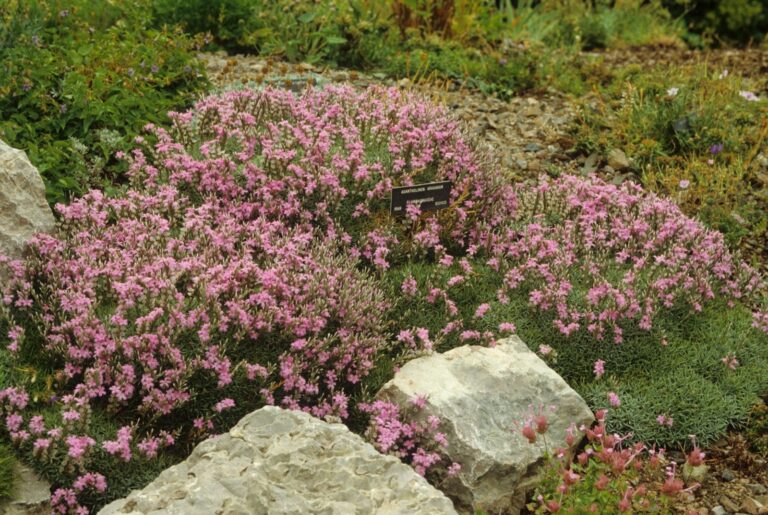
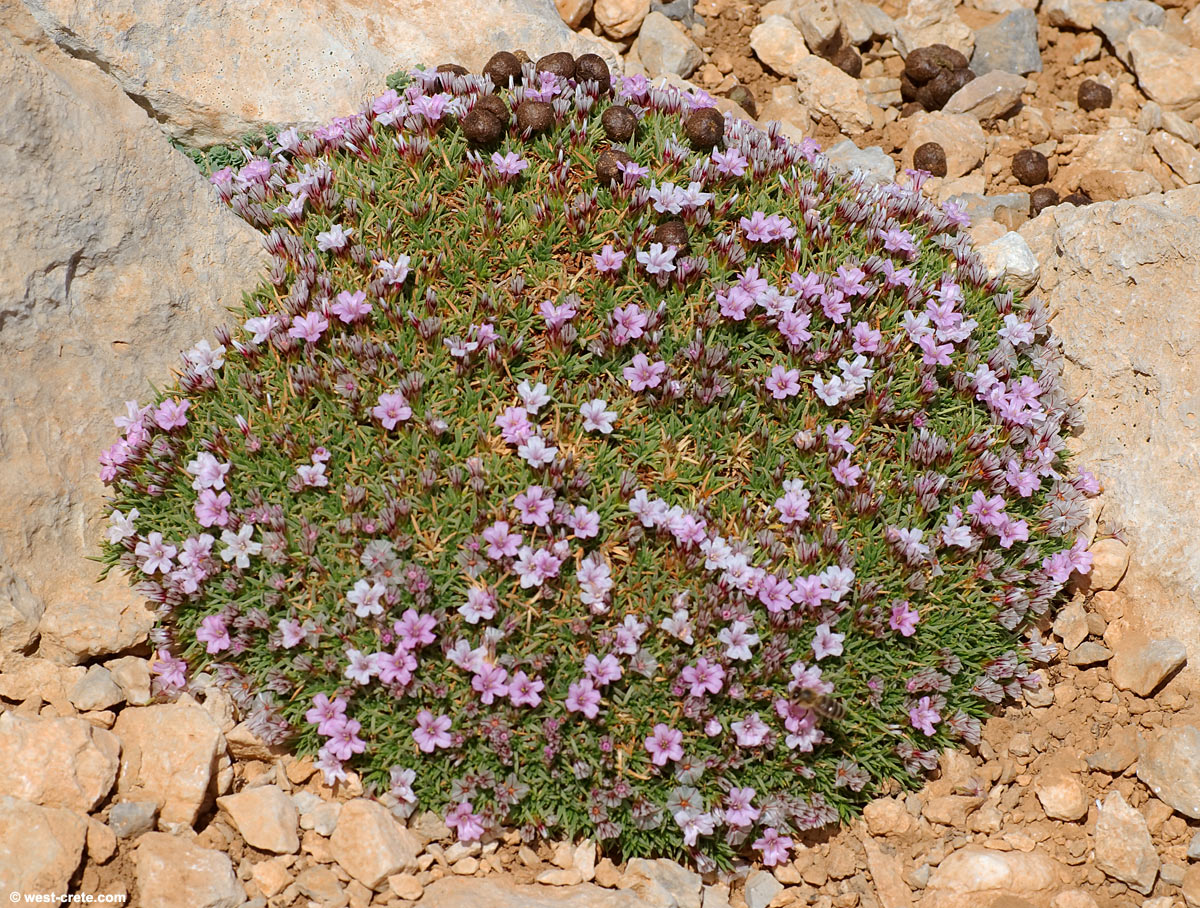
The Spiny, Sun-Baked World of Acantholimon: A Guide to Growing Prickly Thrift
Few alpine plants command attention quite like Acantholimon. Known colloquially as prickly thrift, this genus of tough, evergreen cushion plants is practically engineered for the unapologetically sunny spots in your garden. Whether tucked into rock crevices, cascading down dry stone walls, or anchoring a gravel bed, these architectural marvels bring a dramatic, sculptural quality to the landscape. Their dense, spiny foliage acts as a brilliant foil for the delicate pink or white blossoms that erupt in early summer, making them indispensable components of drought-tolerant and gravel gardens.
Watch an Acantholimon mature, and you are witnessing the slow-motion formation of a living cushion. They knit themselves into low, tight mats of needle-like, spine-tipped leaves, sending up short, elegant spikes of funnel-shaped flowers just as spring gives way to summer. For rock gardeners and alpine enthusiasts, the appeal is obvious: year-round structural integrity, a fascinating tactile texture, and a blossom display that punches far above its weight class against the grey-green foliage. While fussy alpines demand constant coddling, the most reliable garden species—notably Acantholimon glumaceum and Acantholimon venustum—will thrive outdoors if you respect their absolute refusal to tolerate soggy roots.
Let it be clear from the outset: Acantholimon will perish in heavy, damp clay or under the damp cloak of a shaded border. But offer it a mineral-rich, sun-baked home—be it a raised scree bed, a vertical wall crevice, or a dedicated alpine container—and it rewards you with one of the most distinctive, low-growing profiles in the botanical world.
From the Crags of Central Asia: Botanical Background
Acantholimon traces its lineage to the Plumbaginaceae, commonly known as the leadwort or sea-lavender family. This expansive genus consists of evergreen perennial subshrubs that have evolved to conquer some of the harshest environments on Earth, hailing primarily from the arid, high-altitude terrain of the eastern Mediterranean, Turkey, the Caucasus, Iran, and Central Asia.
While Kew’s Plants of the World Online recognises roughly 321 distinct species, only a fraction have made the leap into commercial horticulture. Many remain elusive rarities, confined to the seed lists of specialist collections and alpine societies. In their native habitats, these plants cling to limestone screes, vertical cliff faces, and rocky montane slopes. This provenance dictates their unyielding cultural demands in cultivation: intense, unfiltered light, lean and low-fertility soil, impeccable drainage, and absolute protection from the stagnant wet of winter.
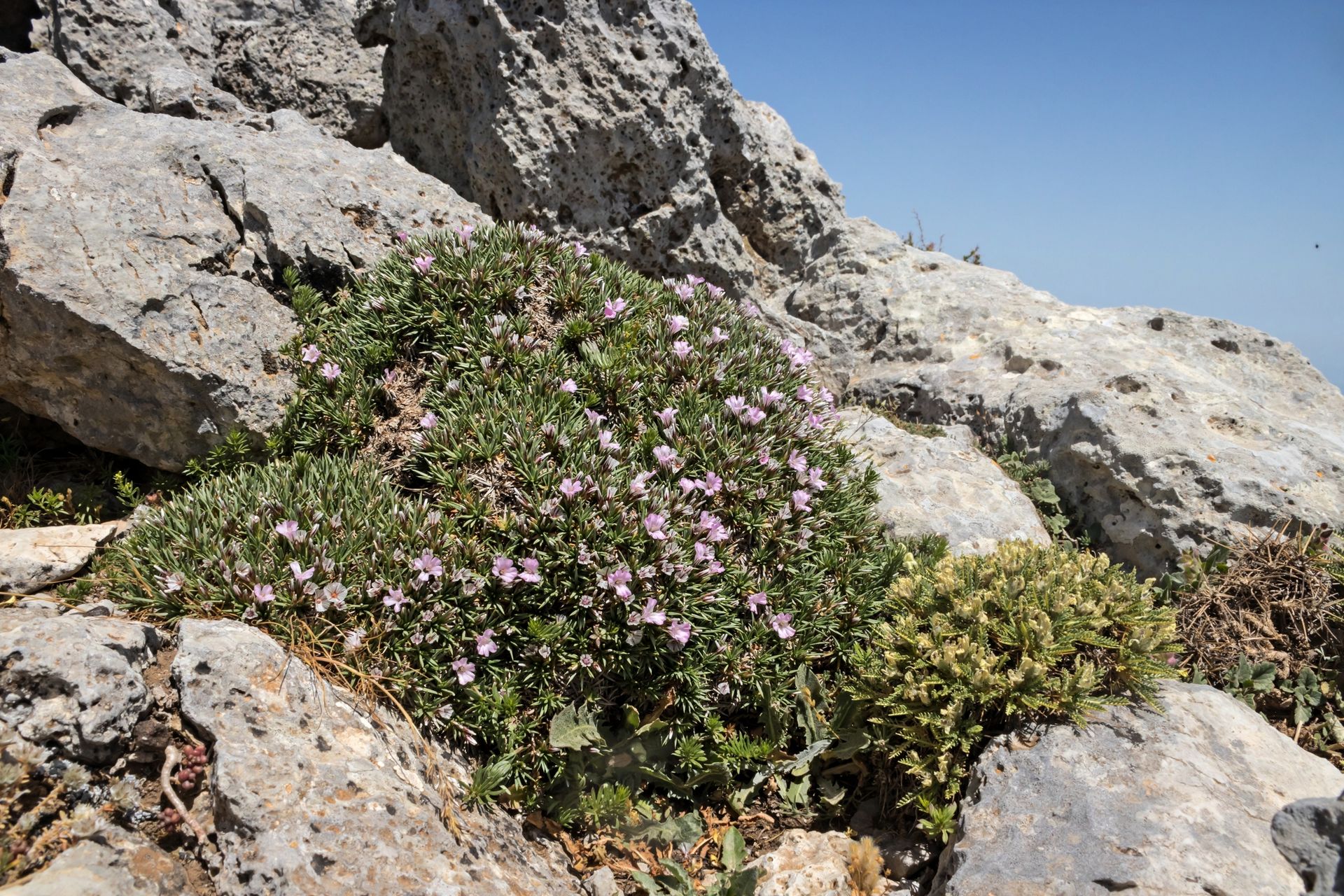
The common moniker “prickly thrift” is an astute nod to the plant’s rigid, needle-sharp foliage and its passing resemblance to sea thrift (Armeria). However, look closer and the similarities fade. Acantholimon establishes a far more permanent, woody, and rigid cushion than Armeria, coupled with a much stricter demand for sharp, gritty drainage.
The Select Few: Best Acantholimon Varieties for Gardens
Navigating this genus requires an edit. Rather than chasing temperamental botanical oddities, the home gardener should focus on a proven trio of species that deliver superb garden performance without requiring an advanced degree in alpine husbandry.
Acantholimon glumaceum
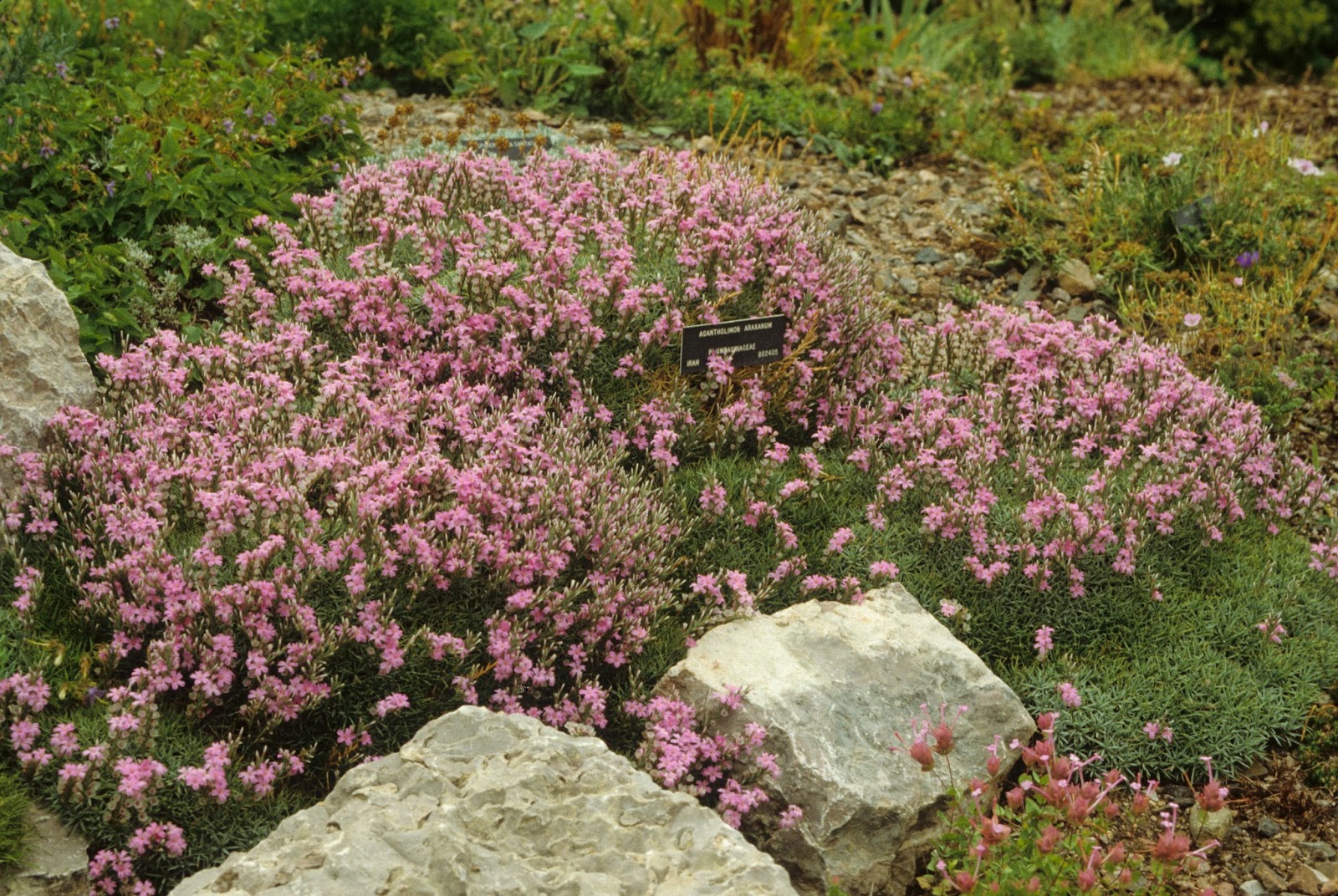
For those venturing into the genus for the first time, Acantholimon glumaceum stands out as the most robust and adaptable choice for open-ground cultivation. This species forms a remarkably tight, mat-forming evergreen cushion composed of deep green, needle-like leaves. In early summer, it covers itself in short, dense spikes of deep pink flowers that hover perfectly above the spiny dome.
Unlike its more delicate cousins, Acantholimon glumaceum shows surprising flexibility regarding soil chemistry. It will tolerate loam, sand, or chalk, and is equally at home in neutral, alkaline, or mildly acidic substrates, provided the underlying drainage is flawless. It shrugs off exposed, windswept sites and handles typical UK winters with aplomb. Use its dense green mounds at the vanguard of a sunny rock garden, let it spill casually over stone steps, or wedge it into a dry wall. Just give it room to expand; mature specimens spread steadily and dislike being crowded out by aggressive neighbours.
Acantholimon venustum
If you want striking contrast, Acantholimon venustum is a premier choice. This species trades deep green for an elegant palette of blue-grey, silver-margined, rigid foliage. Instead of the typical pink, it sends up clusters of pristine white flowers, creating a remarkably cool, refined aesthetic.
This slow-growing evergreen subshrub builds a low, stately mound over time. Expect a mature height of roughly 10–15 cm, with a conservative spread ranging between 20–45 cm depending on the lean nature of its site. It stands out as one of the few silver-leaved alpines that can reliably brave the open elements of a rock garden, provided it occupies a south- or west-facing position bathed in light. Its luminous, glaucous foliage ensures it remains a prime structural element in gravel beds or crevice gardens even when the flowering season has passed.
Acantholimon ulicinum
Commonly known as the ulex-like prickly thrift, Acantholimon ulicinum takes compact geometry to its logical extreme. This minuscule, cushion-forming subshrub is packed tightly with tiny, grey-green needle leaves, mimicking the look of a dwarf gorse. Summer coaxes out small, clustered pink blossoms perched atop short, upright stems.
Its diminutive scale makes it a textbook candidate for micro-habitats: think stone troughs, alpine containers, or miniature rock pockets. It demands an uncompromisingly sunny, sheltered position and thrives on a neutral to alkaline pH. Because it is intensely allergic to winter dampness, it finds its ideal home in the vertical fissures of a crevice garden or under the controlled glass of an alpine house. When potting this miniature marvel, skip standard commercial composts entirely; it requires a lean, gritty, mineral-heavy aggregate.
Rare Species and Collector Forms
Step beyond this trio, and you enter the realm of the alpine connoisseur. Species such as Acantholimon lycopodioides, A. hilariae, A. dianthifolium, A. acerosum, A. hohenackeri, and A. litvinovii populate the seed exchanges of specialist societies. While botanically fascinating, they lack the broad availability and reliable outdoor stamina of the mainstream species.
These rare forms share the family mandate: blistering sun, an overdose of mineral grit, starvation diets, and a total intolerance for winter humidity. They are rewarding challenges for the dedicated alpine grower but can frustrate the uninitiated. Similarly, botanical variants like Acantholimon venustum var. laxiflorum and Acantholimon ulicinum var. purpurascens exhibit subtle differences that rarely warrant distinct cultivation strategies for everyday garden design.
Engineering the Perfect Environment
Light and Position
To grow Acantholimon is to cultivate sunshine. Full, unadulterated exposure is mandatory. Prioritise south- or west-facing sites that bake during the heat of the day, a factor that becomes non-negotiable when growing the silver-leaved Acantholimon ulicinum.
Excellent air circulation is your best defence against fungal issues. Avoid dead zones in the garden—such as enclosed courtyard corners, the base of north-facing walls, or pockets trapped behind large, transpiring herbaceous perennials that trap stagnant humidity.
Soil Architecture and Drainage
When dealing with these mountain dwellers, fertility is your enemy; drainage is your lifeline. Your soil mix should lean heavily on gravel, sharp sand, crushed brick, or limestone screenings.
Soil chemistry is generally straightforward. Acantholimon glumaceum is highly cosmopolitan, adapting to acid, neutral, or alkaline beds. Conversely, Acantholimon ulicinum leans heavily toward alkaline to neutral profiles. If your garden sits on natural limestone or chalk, you have a distinct head start.
Hardiness vs. Winter Moisture
It is a common misconception that alpine plants die from winter frost. In the case of Acantholimon, sheer cold is rarely the executioner; the culprit is almost always wet winter soil. While species like A. glumaceum and A. ulicinum are frost-hardy across the UK, they will dissolve into mush if forced to sit in cold, saturated earth. If you garden in a high-rainfall region, you must elevate your planting zones, build steep scree slopes, or shift your specimens into containers where moisture can escape instantly.
The Planting Protocol
Timing the Introduction
The ideal window for planting opens in mid-spring, just as the soil begins to warm and active root growth resumes. Alternatively, early autumn works well provided the ground is still warm enough to allow root establishment before the winter shutdown. Spring planting gives the cushion a full, uninterrupted season to anchor itself.
Never plant into cold, saturated, or sticky winter soils. If a wet autumn catches you off guard, pot the plant on and overwinter it in a cold frame, waiting for spring to introduce it to its permanent garden home.
Preparing the Bed
Look for your garden’s highest, driest, and sunniest vantage point. For ground installations, excavate the native soil and aggressively incorporate coarse horticultural grit, sharp sand, or fine pea gravel into the top layer.
Raised beds, rock fissures, and sloping banks are perfect because gravity works in your favour, pulling water away from the vulnerable crown. When setting the plant into the ground, ensure you do not bury the crown or smother the lower foliage with rich organic matter; the cushion requires unrestricted airflow right down to its base.
Spacing Requirements
Respect the ultimate trajectory of each species. The tighter, miniature cushion types can be spaced 20–30 cm apart. However, a happy specimen of Acantholimon glumaceum will expand significantly over the years, so provide ample breathing room.
Maintain clear real estate around every cushion. Crowding invitation-only alpines with sprawling neighbours creates a microclimate of damp air that breeds moss, weeds, and eventual rot.
Containers and Alpine Troughs
Acantholimon makes a stellar subject for weathered terracotta pots, stone troughs, or hypertuda crevice containers. Construct a classic, lean alpine compost: one part loam blended with two parts coarse horticultural grit or perlite.
Ensure your chosen vessels possess generous drainage holes, and position them where they will catch every available ray of sun. In winter, prop the containers up on pot feet or bricks to prevent moisture from pooling beneath the drainage holes.
Seasonal Stewardship
Watering Strategy
Treat a newly planted Acantholimon with consistent moisture during its first spring and summer while its deep root system establishes. Once anchored, however, the plant reveals its true drought-tolerant nature, requiring virtually no supplemental water except during historic, prolonged dry spells.
When you do water, apply it deeply and infrequently rather than giving it casual daily sprinkles. Let the root zone dry completely before repeating the process. When winter arrives, step away from the watering can entirely; natural precipitation is more than enough, and dryness is safety.
Nutritional Restraint
Keep the fertilizer away. Acantholimon thrives on starvation. Introducing high-nitrogen fertilisers or rich compost sparks a burst of soft, floppy, and structurally weak growth that destroys the tight symmetry of the cushion and severely reduces flower production.
If a plant looks remarkably sluggish or pale in spring, a minimalist top-dressing of low-nitrogen, slow-release fertiliser is permissible. In standard rock gardens, no routine feeding is required.
The Art of Mulching
Incorporate a 1–2 cm top-dressing of fine gravel, stone chips, or grit directly beneath and around the foliage cushion. This mechanical barrier prevents damp soil from contacting the crown, deters weed seed germination, and reflects light and heat back up into the plant.
Never use bark mulch, wood chips, garden compost, or leaf mould. These organic materials act as sponges, holding moisture against the woody frame and initiating rapid decay.
Pruning and Grooming
This genus requires next to no routine pruning. Once the summer show concludes, gently snip away the spent flower stems and remove any stray, winter-damaged shoots.
Never hack into the old, woody interior of the cushion. Like many woody alpines, Acantholimon lacks the ability to regenerate from bare, old wood; aggressive cutting will leave you with a permanent, unsightly dead zone.
Propagation Methods
From Seed
Sowing seed is a viable route, provided you use fresh material in spring. Many species germinate most reliably if sown in autumn or winter, allowing the cold months to break dormancy for a strong spring emergence.
Sow onto the surface of a gritty, sharply draining seed compost, dust with a very fine layer of grit, and place the trays in a cool, bright, unheated space. Prick out the seedlings early and pot them on individually. Do not let them linger too long in community pots; their deep-delving roots resent being disturbed once established.
Taking Cuttings
Late summer is the prime window for securing semi-ripe, non-flowering shoot cuttings. Sever them cleanly and insert them into a sharp mix composed of fine horticultural sand or perlite. Provide a bright, indirect light environment with moderate humidity until roots emerge.
Keep a close eye on air movement to prevent mildew from ruining your batch. Once rooted, pot them up with immense care. Young Acantholimon starts are particularly sensitive to overwatering and are far more prone to rot than mature, weathered cushions.
The Risks of Division
While you can theoretically divide a few of the more sprawling, mat-forming species, it is generally discouraged. Most Acantholimon develop a singular, unyielding taproot or deep, structural root system that reacts terribly to being sliced or moved.
If you must attempt division, do so in early spring. Minimise root trauma, replant the divisions immediately into an ultra-gritty mix, and maintain a very careful watering regimen until you spot signs of new growth.
Troubleshooting Pests and Diseases
An Acantholimon grown in full sun and sharp grit is a remarkably self-sufficient plant. Almost every ailment that strikes this genus can be traced back to excess water.
- Crown and Root Rot: The ultimate enemy. Caused by waterlogged soil, low spots, or moisture-retentive organic mulches. The solution is preventive: raised planting, plenty of aggregate, and zero pampering.
- Botrytis (Grey Mould): This fungal pathogen strikes when air movement is low and humidity is high, typically in overcrowded borders. Carefully prune away the fuzzy, affected foliage and take immediate steps to improve airflow around the plant.
- Aphids: These pests occasionally target succulent young growth in spring. Knock them back with a sharp stream of water or apply a targeted, pollinator-safe control if the infestation threatens to deform the cushion.
- Slugs and Snails: Fortunately, the stiff, spiny texture of a mature cushion is unpalatable to most molluscs. However, young, tender seedlings and unrooted cuttings remain vulnerable in damp conditions.
- Weeds and Moss: Airborne seeds love to lodge themselves inside the dense architecture of an alpine cushion. Pluck them out manually with long tweezers while they are small; avoid spraying herbicides anywhere near the plant.
Companion Planting and Garden Design
Acantholimon requires a stage where its exquisite, geometric form can be appreciated. It shines brightest when silhouetted against stone, making it a natural fit for crevice gardens, dry retaining walls, raised alpine beds, or trailing along the crisp margins of a gravel path.
It pairs beautifully with other sun-worshipping, low-water perennials that share its love for sharp drainage. The evergreen nature of the cushion ensures your rock garden retains its structural integrity even during the stark months of winter.
Consider these exemplary companions:
- Thyme (Thymus): Creates a flat, aromatic, carpet-like contrast to the mounded architecture of Acantholimon.
- Sedum and Sempervivum: Offers a striking contrast with their fleshy, succulent rosettes.
- Dianthus: Shares a love for the sun and echoes the pink floral tones while offering a softer leaf texture.
- Armeria: Provides a fascinating botanical comparison, offering a softer, rounded cushion effect.
- Dwarf Ornamental Grasses (Festuca glauca): Introduces fine texture, gentle movement, and a beautiful blue-grey color contrast.
- Dwarf Bulbs: Species tulips or early crocus can poke through the surrounding gravel, providing vibrant spring colour before the Acantholimon takes centre stage in summer.
While bees and beneficial pollinators appreciate the summer flower display, the true investment value of this plant lies in its architectural resilience, absolute drought stamina, and ability to thrive in challenging garden spots.
Common Problems & Diagnostic Guide
The Mystery of Poor Flowering
If your cushion looks healthy but refuses to bloom, look to its diet and light. Insufficient sunlight, overly fertile soil, or a heavy hand with nitrogen fertilisers will cause the plant to prioritize lush foliage over flowers. Relocate container plants to a site with maximum sun exposure and cut off all feeding. These plants flower best when they have to work for a living.
Leggy, Loose, or Open Hummocks
A tight, dense cushion is the hallmark of a healthy Acantholimon. If the growth turns loose, leggy, and starts falling open, the plant is telling you it wants more light, less fertilizer, or less competition from surrounding plants. Boost the sunlight levels, clear away encroaching neighbours, and dress the base with sharp stone grit. Do not try to fix a leggy plant by cutting it back hard; it’s better to take cuttings from the healthy tips and start fresh.
Central Dieback
An older cushion that suddenly develops a brown, dead center is usually suffering from winter wetness or water pooling at the crown. Carefully pick out the dead debris to let air back into the center and verify that the gritty mulch layer hasn’t shifted and buried the crown. If the perimeter shoots remain firm and green, the plant may slowly fill the gap. If the entire cushion turns soft and brown, it’s a total loss to rot.
Yellowing and Collapsing Leaves
When a cushion turns a sickly yellow and feels soft to the touch, you are looking at poor drainage. Immediately halt all watering. If the plant is in a pot, check that the drainage hole isn’t blocked. For ground-planted specimens, your best bet is to lift the plant carefully, aggressively incorporate grit into the planting hole to raise it up, or move it to a steeper, drier slope.