Abelia × grandiflora ‘Dwarf Purple’ – Complete Growing Guide
If you are staring at a tight spot in your landscape—maybe a narrow border along a driveway, a patio container that needs some architectural backbone, or the awkward space right beneath your front windows—you’ve probably realized how tough it is to find the perfect compact shrub. The ideal candidate needs to stay small so you aren’t constantly out there hacking it back, it should offer a long season of beautiful flowers, and it shouldn’t look like a collection of dead sticks when winter rolls around.
While that might sound like a horticultural fantasy, it actually exists. Meet ‘Dwarf Purple’ Glossy Abelia (Abelia × grandiflora ‘Dwarf Purple’).
Standard, old-school abelias have a reputation for turning into massive, unruly fountains that quickly swallow up neighboring perennials and require constant policing with the shears. This dwarf cultivar is an absolute game-changer for modern, space-conscious American gardens. It packs all the resilience of the classic species into a remarkably well-behaved, small-scale package.
Botanical Background: The Making of a Winner
To understand why this plant is so tough, it helps to look at its family tree. The foundational species, Abelia × grandiflora, is a time-tested hybrid cross between Abelia chinensis and Abelia uniflora. Originally developed in Italy during the 19th century, this genetic pairing created a lineage of shrubs famous for their glossy leaves, exceptional heat tolerance, and an incredibly long flowering window.
The specific cultivar ‘Dwarf Purple’ was selected out of this family line to solve a specific landscaping problem: the need for a true dwarf form that brings extra color to the table. In the nursery trade, you might occasionally run across plants labeled as ‘Dwarf Pink’, ‘Pink Dwarf’, or simply ‘Dwarf’. Horticultural experts note that these selections are often identical or nearly identical clones to ‘Dwarf Purple’. However, true ‘Dwarf Purple’ distinguishes itself by consistently delivering dependable, rich green summer foliage that reliably shifts to deep, moody purples the moment the autumn temperatures start to drop.
Size and Growth Habit: Perfectly Proportioned
The number one reason to choose ‘Dwarf Purple’ over other flowering shrubs is its impeccably tidy growth habit.
-
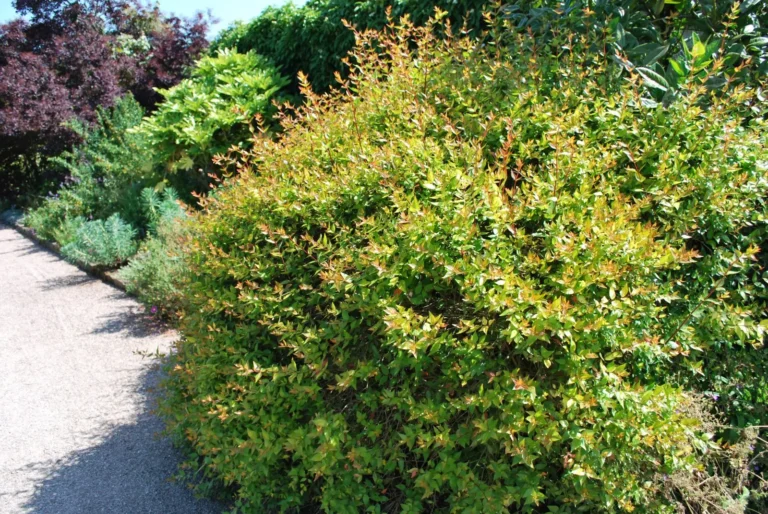
- Height: It naturally tops out at just 2 to 3 feet tall.
- Spread: It forms a matching 2 to 3 feet width, creating a perfectly balanced, dense, mounded globe.
- Growth Rate: While standard abelias are rapid, aggressive growers, this dwarf selection maintains a moderate growth rate. It grows quickly enough to fill in its designated space within a couple of seasons, but it slows down dramatically once it reaches maturity.
This compact footprint makes it an invaluable design tool. It sits perfectly in foreground plantings, functions beautifully as a clean edging element along walkways, and serves as an excellent low-growing foundation plant that will never grow tall enough to block the view from your windows.
A Four-Season Color Chameleon
Most flowering shrubs give you a spectacular two-week show in spring and then spend the rest of the year acting as a boring green blob. ‘Dwarf Purple’ earns its keep across all four seasons.
During the spring and summer, the shrub is densely clothed in small, polished, opposite leaves that have a brilliant, light-catching sheen. This serves as a clean, vibrant green backdrop for your summer perennials.
When autumn arrives and other plants begin to look tired and ragged, ‘Dwarf Purple’ gets its second wind. As the nights cool down, the chlorophyll recedes, and the foliage transitions into a rich, striking palette of bronze-purple and deep amethyst.
The real magic happens in the winter. In milder American climates—specifically from the mid-South down to the Gulf Coast—this plant behaves as a reliable semi-evergreen. Rather than dropping its leaves and leaving your winter garden looking stark and bare, it retains a massive portion of its purple-tinted foliage throughout the entire dormant season, providing vital structure and color when the rest of the landscape is asleep.
[ Spring / Summer ]  -->  [ Autumn Transition ]  -->  [ Winter Interest ]
 Rich, glossy green        Deep bronze-purple          Semi-evergreen structure
Months of Pollinator-Friendly Flowers
If you love a garden that hums with life, this shrub is a must-have. ‘Dwarf Purple’ flowers on new wood (the fresh growth produced in the current season), which allows it to pump out blossoms continuously from late spring or early summer straight through until the first hard frost of autumn.
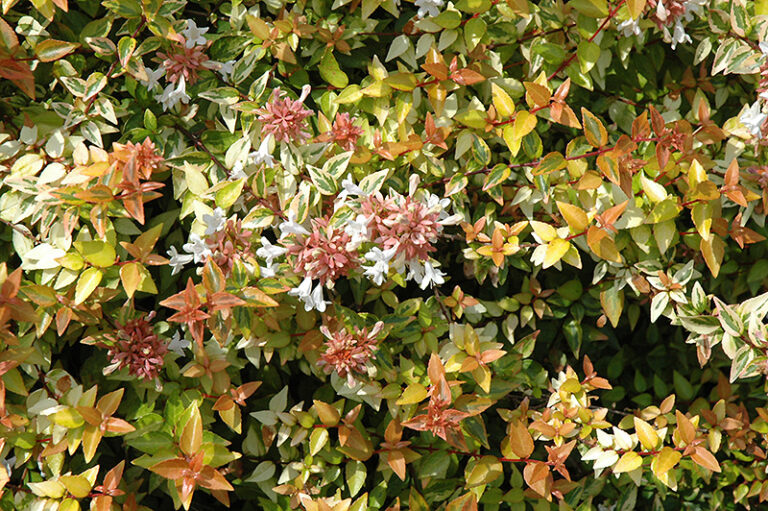
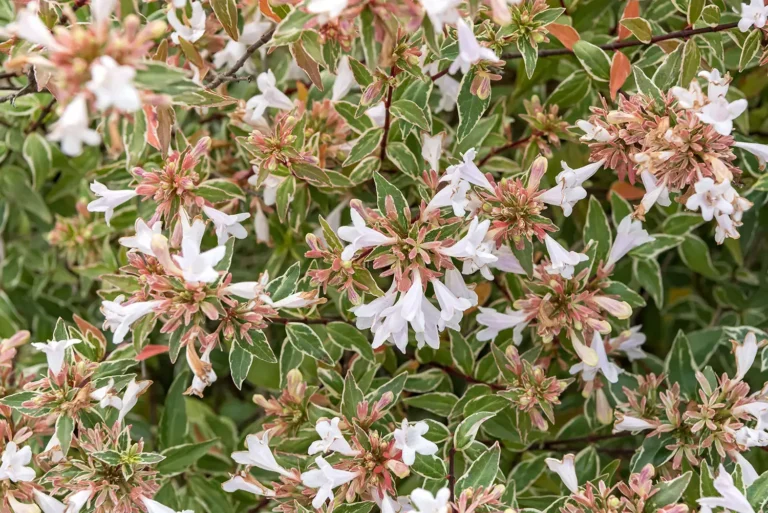
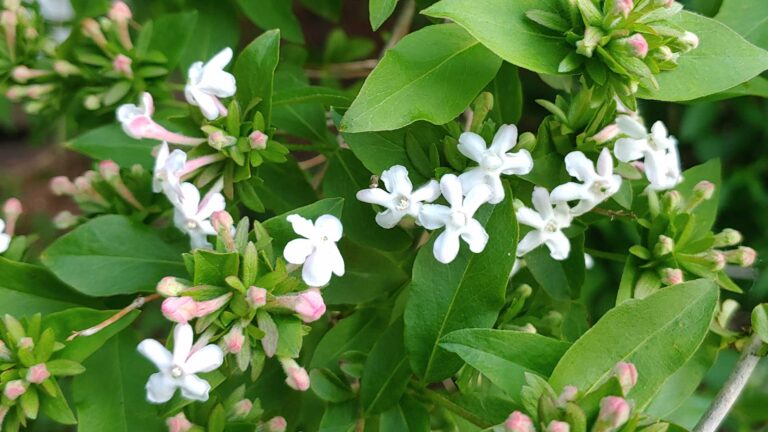
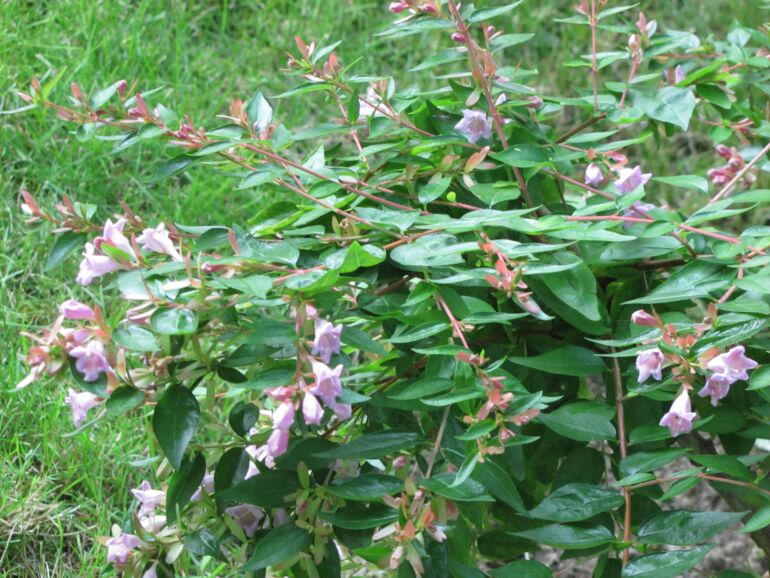
The flowers themselves are delicate, tubular, bell-shaped blossoms in shades of pale to medium pink. While an individual bloom might not have the massive, heavy-headed drama of a hydrangea, ‘Dwarf Purple’ makes up for it in sheer volume and duration. For months on end, the plant is covered in a soft pink haze.
As an added bonus, these flowers carry a light, clean, sweet fragrance. It is highly attractive to local pollinators, making the shrub a favorite pit stop for honeybees, native bumblebees, butterflies, and migrating hummingbirds during the late summer crunch when other nectar sources have dried up.
Regional Hardiness: Where It Thrives
‘Dwarf Purple’ carries the excellent, rugged climate tolerance of its parentage, making it suitable for a wide swath of American gardening zones.
-
- USDA Hardiness Zones: It performs at its peak in Zones 6 through 9.
- In the South and West (Zones 7–9): It thrives effortlessly through intense summer heat and humidity, maintaining its semi-evergreen habit all winter long.
- In northern climates (Zone 6 and sheltered parts of Zone 5): The plant is entirely root-hardy but may act more like a deciduous shrub or experience some winter dieback on the upper tips during severe, exposed freezes. Even if an unusually harsh winter kills the top growth back to the ground, there is no need to panic; the roots will reliably push out vigorous new stems in the spring, and because it blooms on new growth, it will still flower beautifully that same summer.
Site and Soil Requirements: Built-In Resilience
Light Exposure
Soil Conditions
Like the vast majority of landscape shrubs, ‘Dwarf Purple’ absolutely demands good drainage. It will happily grow in loam, sandy soils, or even chalky conditions, and it tolerates a remarkably wide pH spectrum ranging from acidic to alkaline (pH 5.0 to 8.0). The only environmental factor that will truly cause it trouble is heavy, compacted, waterlogged soil. Wet feet during the winter months can compromise the root system and severely reduce the plant’s cold hardiness.
Master Class: Planting and Establishment
Getting your new shrub off to a strong start is simple, but following a few core planting rules will pay massive dividends in how quickly it establishes.
-
- Timing: The golden windows for planting are early autumn or early spring. Planting in the fall gives the roots a chance to settle into the warm soil before winter dormancy, while spring planting gives the shrub a full runway of mild weather before the summer heat hits. Avoid planting during periods of baking summer heat or deep winter freezes.
- Site Prep: If you are dealing with heavy, dense clay, take the time to amend the wider planting area with organic matter like compost to improve aeration. If drainage is a concern, mixing in a bit of coarse grit can help.
- The Hole: Dig a hole that is two to three times wider than the nursery pot, but exactly the same depth.
- Positioning: Remove the shrub from its container and gently loosen any circling roots. Set the plant in the hole so that the top of the root ball sits perfectly flush with—or a fraction of an inch above—the surrounding soil level. Burying the crown too deep can invite rot.
- Backfilling and Watering: Fill the hole back in with your native soil, firming it gently with your hands to eliminate air pockets. Water the area deeply immediately after planting to settle the earth.
- Mulching: Apply a 2 to 3-inch layer of organic mulch (such as shredded bark) around the base of the shrub. This keeps the roots cool, conserves soil moisture, and suppresses weeds. Just be sure to pull the mulch back an inch or two away from the main wooden stems to prevent moisture retention against the bark.
Spacing Tip: If you are looking to create a seamless low hedge, solid mass planting, or border edging, space your individual ‘Dwarf Purple’ plants exactly 24 inches apart from center to center. This allows their compact crowns to knit together beautifully without overcrowding.
Simple Maintenance: Watering and Feeding
Once ‘Dwarf Purple’ settles into your garden, it quickly earns a reputation as a low-maintenance workhorse.
Watering Guidelines
Fertilizer Needs
This plant is a light feeder and does not require heavy, synthetic fertilizers. In average backyard soil, it rarely needs any supplemental feeding at all. If your soil is exceptionally poor, or if you notice the summer leaves looking slightly pale, you can apply a light top-dressing of well-rotted organic compost or a granulated, balanced, slow-release shrub fertilizer in the early spring. Avoid applying high-nitrogen fertilizers late in the summer, as this triggers a flush of tender, succulent green growth right before winter, making the plant highly susceptible to frost damage.
The Lazy Gardener’s Guide to Pruning
-
- The Timing: Always prune in late winter or very early spring (typically late February through March), just as the plant is breaking dormancy but before any new green shoots begin to emerge.
- Routine Clean-up: Focus on removing the “three Ds”—anything that is dead, damaged, or diseased. Snip these stems back cleanly to healthy wood. Next, look for any stray, overly enthusiastic branches that are poking out and disrupting the neat, rounded shape of the mound, and clip them back into bounds.
- Rejuvenation: Every three to four years, you can practice selective thinning. Locate a few of the oldest, thickest, most woody stems at the very base of the plant and cut them down completely to the ground. This opens up the interior of the shrub to sunlight and air circulation, prompting the root system to send up a flush of fresh, vigorous, highly floriferous new growth.
- Emergency Hard Pruning: If a severe winter causes extensive tip dieback, or if an old plant becomes completely neglected and leggy, it can handle a radical rejuvenation pruning. You can cut the entire shrub down hard to just 6 to 10 inches above the ground in early spring. It will rebound with incredible vigor, though keep in mind that your flower production will be delayed or reduced for that specific summer season.
Seamless Landscape Design
The combination of a tiny footprint, long-lasting pink flowers, and shifting foliage colors makes ‘Dwarf Purple’ an incredibly versatile tool for American landscape design.
-
- Mixed Perennial Borders: Place it at the absolute front of your garden beds. It bridges the gap between taller background shrubs and low-growing perennial flowers perfectly.
- Foundation Anchors: It is an ideal choices for planting near home foundations, especially along sunny south- or west-facing walls that offer a bit of ambient winter warmth.
- Low Informal Hedges: Use it to frame walkways, define garden rooms, or separate a patio from the main lawn without creating a visual wall that blocks the view.
- Patio Containers: Thanks to its compact nature and high tolerance for root confinement, it makes a spectacular candidate for large ceramic or resin pots on a deck or patio. It provides a permanent, structural anchor that pairs beautifully with trailing annuals.
- Companion Plants: It coordinates beautifully with other sun-loving, low-water favorites. Try pairing the deep bronze fall tones of the abelia against the silvery foliage of English lavender, the electric blue spikes of autumn salvia, the bold textures of sedums, or the airy, windswept movement of native ornamental grasses like Little Bluestem or Prairie Dropseed.
- Pest and Deer Resistance: For suburban gardeners battling local wildlife, abelias are a breath of fresh air. While no plant is entirely bulletproof under extreme starvation pressures, ‘Dwarf Purple’ is highly deer-resistant. Furthermore, it is virtually unaffected by major insect pests or diseases, though keeping it out of standing water is your best defense against occasional root issues.
How It Compares to the Competition
To see exactly where ‘Dwarf Purple’ fits into the wider world of Abelia × grandiflora cultivars, it helps to see how it stacks up against other popular varieties in American nurseries:
| Cultivar | Mature Size | Foliage Style | Best Use Case |
|---|---|---|---|
| Standard Glossy Abelia | 6–8 ft tall & wide | Classic glossy green | Large privacy screens, informal windbreaks, or expansive hedge lines. |
| ‘Edward Goucher’ | 5 ft tall & wide | Green with lavender-pink flowers | Medium-sized accent shrub; note that it is slightly less cold-hardy than standard types. |
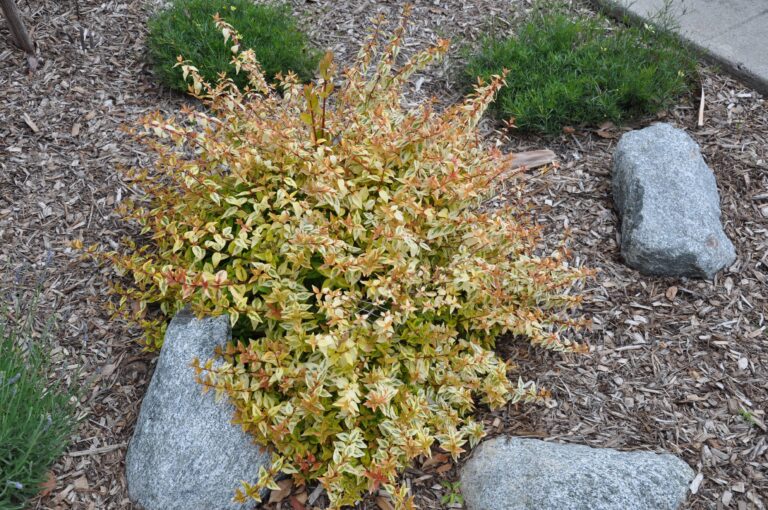
| ‘Kaleidoscope’ / ‘Confetti’ | 2–3 ft tall & wide | Highly variegated (yellow, cream, pink) | High-contrast, bright focal points for gardeners who love multi-colored splashy leaves. |
| ‘Dwarf Purple’ | 2–3 ft tall & wide | Green turning to deep bronze-purple | Elegant, classic design; perfect for tight spaces, clean borders, and rich autumn color. |