Beyond the Lawn: Designing with the Luminous Copper Carpets of Acaena
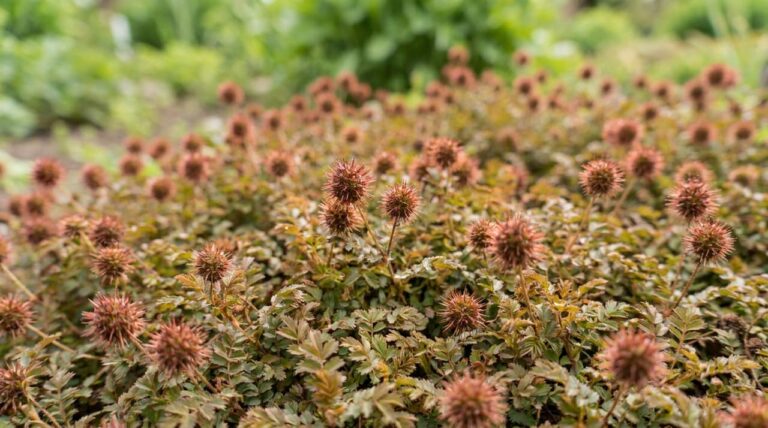
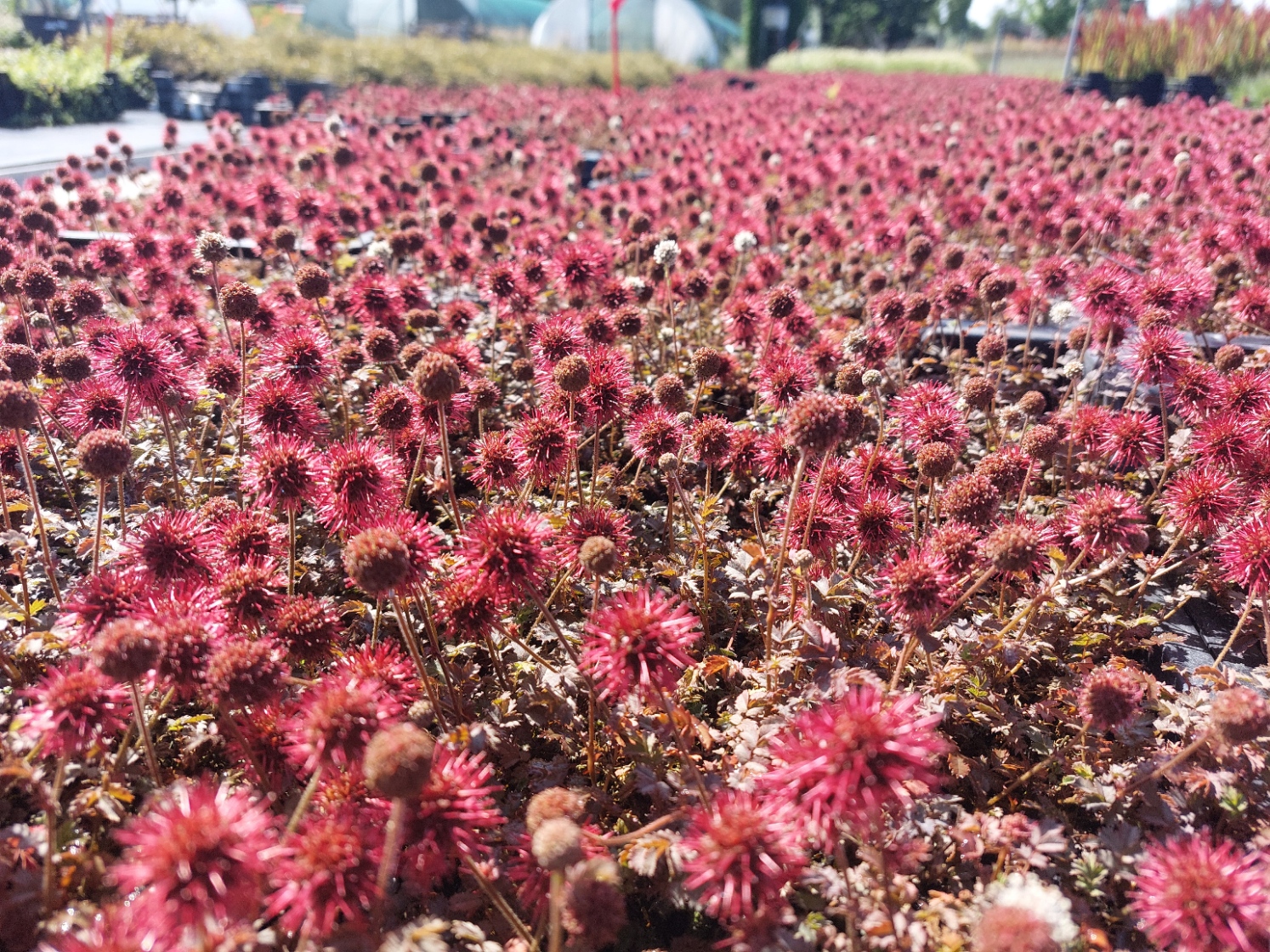
Look closely at the foot of a well-designed rockery or along the crisp edges of a stone path, and you might spot the low, intricate tapestry of the copper and bronze Acaena group. While these pint-sized powerhouses do bloom, they are celebrated far more for their dense mats of finely divided, fern-like foliage. As summer fades, they put on their real show: a crop of spherical, burr-like seed heads glowing in rich shades of red, purple, cinnamon, and earth brown.
This guide digs into the lesser-known, highly coveted selections—particularly the luminous Acaena microphylla ‘Kupferteppich’ (widely known as ‘Copper Carpet’)—and explains how to distinguish them from the ubiquitous purple groundcover, Acaena inermis ‘Purpurea’.
Why These Groundcovers Deserve Space
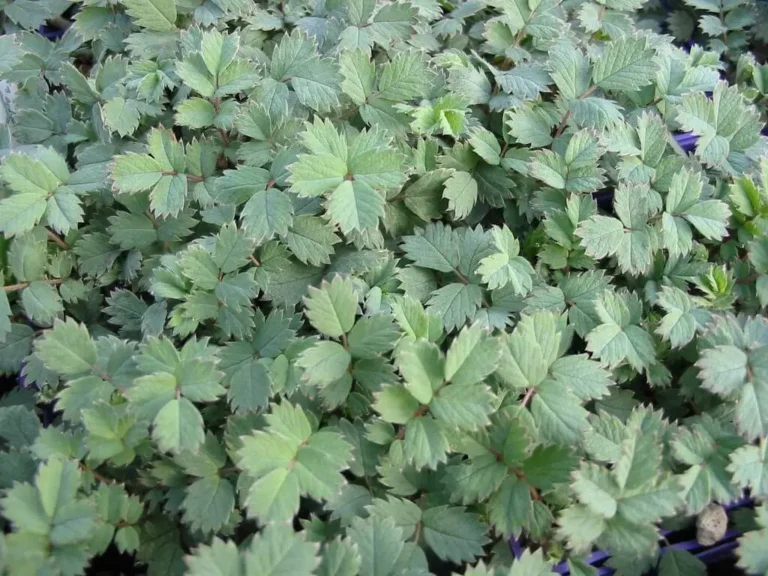
As true-blue members of the rose family (Rosaceae), Acaena species are evergreen or semi-evergreen carpeting perennials. Their botanical calling card includes tiny flowers tightly bunched into rounded heads, which eventually ripen into burr-like fruits. These seed heads feature hooked or barbed spines—an evolutionary trick designed to hitch a ride on passing animals for seed dispersal. Across the entire genus, you can expect prostrate mats of pinnate, sharply toothed leaves acting as the perfect canvas for these dense flower globes and architectural fruiting heads.
For the discerning gardener, these plants naturally sort themselves into three distinct visual categories:
- Copper and Bronze A. microphylla Forms: Notable for their fine, rounded leaflets, bronze-green to red-brown foliage, and vibrant red or cinnamon burrs. They excel as warm-toned carpets for rockeries and path edges.
- Purple-Bronze Forms: These selections show off deep purple-bronze foliage that intensifies dramatically when exposed to direct sun and winter cold. They offer brilliant contrast alongside silver, blue-green, or glaucous companions.
- Rare and Botanical Species: A collection of plants with variable leaf tones and much larger, aggressively spreading habits. These are best reserved for specialist alpine collections, naturalistic landscapes, or sweeping, large-scale groundcover projects.
The Standout Copper and Bronze Cultivars
Acaena microphylla ‘Kupferteppich’ / ‘Copper Carpet’
Translated literally from German as “copper carpet,” ‘Kupferteppich’ stands as the most commercially celebrated copper-toned selection of Acaena microphylla available today. This vigorous, mat-forming evergreen perennial features pinnate, bronze-green leaves divided into 9 to 15 tiny, rounded leaflets. It keeps a remarkably low profile, reaching just 10 cm in height while slowly carpeting an area of 0.5 to 1 metre across.
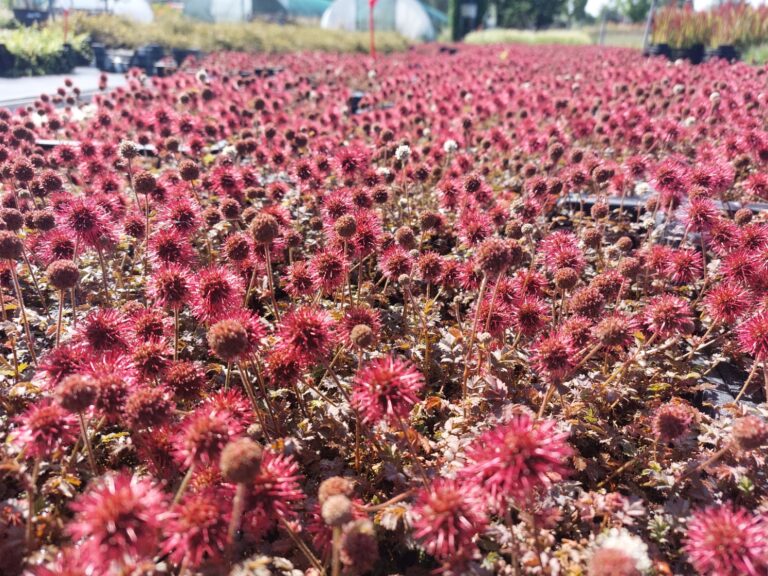
For such a diminutive plant, its seasonal progression is exceptionally dynamic. In June and July, it throws up subtle, reddish-brown spherical flower heads. These quickly morph into brilliant red burrs that persist long into autumn. Depending on your nursery source, you may see the early blooms described as white, ball-shaped heads, but all agree they give way to eye-catching purple-red to cinnamon-red fruiting structures.
Ultimately, the foliage steals the show. Fresh spring growth emerges as a bright, polished copper before maturing into a deep reddish-brown; under the right conditions, it even takes on crimson-green autumn flushes. Planting it in full sun coaxes out the warmest metallic tones, creating a stunning effect when the low-slung carpet catches the golden hour light.
In terms of garden design, think of ‘Kupferteppich’ as a living, metallic underline rather than a standard flowering perennial. Its delicate scale makes it an ideal candidate for the front of a rock garden, tucked neatly between paving stones, trailing along path borders, or woven around dwarf spring bulbs.
To make its warm, metallic tones sing, try pairing it with these choice companions:
- Silver and Grey Foliage: Incorporate Acaena buchananii, Artemisia, compact Santolina, or silver saxifrages.
- Blue-Green or Glaucous Leaves: Weave in dwarf fescues, Sempervivum, or slow-growing, compact conifers.
- Cool Flower Tones: Plant small white alliums, early spring crocuses, or pale-blue campanulas to make the copper foliage and crimson burrs pop.
- Structural Rockwork: Let it spill over natural limestone, sandstone, or weathered granite to soften hard masonry lines.
Remember that its spreading nature is a deliberate design asset. If you introduce it to a confined alpine trough or tightly spaced flagstones, give it ample room to run, or be prepared to pull out the pruners to edit its wandering stems. For comprehensive management strategies, universal drainage requirements, and seasonal care timelines, refer back to the Master Genus Guide for Cultivating Acaena Varieties to ensure optimal growth across all soil types.
Acaena microphylla ‘Purpurea’
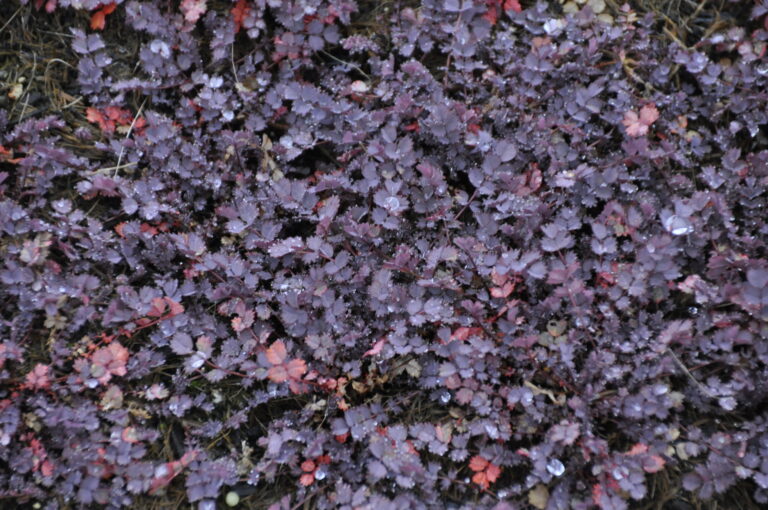
This particular selection leans heavily into the dark side, showing off purple-bronze foliage that deepens significantly as the weather cools down or when grown in blazing sun. It mirrors the species’ typical low-growing, mat-forming habit, delicate pinnate leaves, subtle flowers, and decorative burrs.
The primary difference here is purely tonal. While ‘Kupferteppich’ radiates warm copper, cinnamon, and red-brown, A. microphylla ‘Purpurea’ shifts toward a moody, dusky purple-bronze. This makes it an incredibly useful tool when you want that signature fine texture but require a cooler, more shadowed presence in the garden bed.
A word of caution for collectors: do not confuse this plant with the far more common Acaena inermis ‘Purpurea’. In the nursery trade, A. inermis ‘Purpurea’ is the undisputed heavyweight among purple acaenas, meaning it is usually the first plant a gardener looking for a purple mat will find. The A. microphylla selection remains a collector’s gem, prized for its finer leaf texture and its close kinship to the copper varieties.
When designing with ‘Purpurea’, treat it as a dramatic foliage accent rather than a sweeping groundcover. It shines brightest when deployed in small, intentional drifts contrasted against pale silver carpets, icy blue-grey sedums, tiny bulbs, and pale, light-flowered alpines.
Rare Species and Botanical Curiosities
Acaena microphylla var. pallideolivacea
Stepping away from mainstream garden centres, this plant is primarily a botanical variant rather than a mass-market cultivar. It is officially recognized as a hardy subshrub native to temperate biomes by leading botanical and horticultural databases.
Its appeal lies in its pale, olive-green leaves and notably slender, wandering stems that can stretch up to 50 cm long. The olive-toned foliage grows between 2.5 and 5 cm long, sporting 9 to 15 individual leaflets. It features fruiting heads measuring roughly 1.5 cm across, equipped with purple-red spines that gradually age to a warm, brownish yellow-green.
Because it lacks the intense, concentrated copper punch of ‘Kupferteppich’, this variety is less suited for crisp path borders. Instead, its rambling stems and olive coloration look right at home in a collector’s alpine bed, a craggy crevice garden, or a rugged, naturalistic scree planting.
Keep in mind that its name denotes a true botanical variety, not a standard commercial brand. Seedlings sold under the generic A. microphylla label can vary wildly in foliage shade and burr color. If you want this exact olive-green form, seek out specialist alpine nurseries or accredited botanical collections.
Acaena magellanica
If the copper carpets are polite garden guests, Acaena magellanica is a much wilder, untamed beast. This evergreen, lightly hairy, blue-grey-green perennial can aggressively spread over 10 metres while holding its head about 15 cm high, forming loose, expansive mats via its trailing, stoloniferous stems.
Its floral display is surprisingly prominent compared to its cousins. Spherical, red-to-purple flower heads are thrust upward on contrasting red stems. These turn into clusters of heavily barbed spikes that ripen to brown. Be warned: these burrs are highly efficient hitchhikers that will readily cling to passing fur, feathers, hiking socks, or shoelaces. This species hails from the rugged terrains of southern South America, the Falkland Islands, and various sub-Antarctic islands.
Avoid planting this in a small, meticulously manicured rock garden unless you are prepared to constantly police its borders. Its true value is architectural and ecological. It creates a vast, cooling sea of blue-grey punctuated by floating red flower globes and spiky seed heads, making it perfect for expansive naturalistic gardens, coastal landscapes, or dedicated collector beds where it has room to roam.
Acaena multifida
While Acaena multifida is a taxonomically valid species, it has almost no footprint in the general nursery trade and very little consumer-facing cultural info available. As such, it is best viewed as a curiosity for serious botanical collections rather than a mainstream landscaping option.
For the avid collector, its primary value is taxonomic and textural. It adds fascinating diversity to the world of finely divided, mat-forming foliage, though it lacks the immediate, high-impact copper, purple, or silver coloring that makes varieties like ‘Kupferteppich’ or A. buchananii so easy to place in a designed landscape.
Acaena buchananii
Serving as the perfect icy counterpoint to the warm copper and dark purple varieties, Acaena buchananii is an invaluable tool for the garden designer. This evergreen perennial forms loose, frosty mats up to 1 metre wide while hovering a mere 2 cm off the ground. It is characterized by dull, milky grey-green to silvery grey-green foliage, understated greenish-white summer blossoms, and spiky, yellowish to reddish-brown autumn burrs.
Its design purpose is crystal clear: it offers a pale, frosted carpet that creates an intense visual juxtaposition when grown near the rich reds of ‘Kupferteppich’ or the dark, moody tones of the ‘Purpurea’ selections. It is exceptionally beautiful when knitted between paving stones, flowing through rock gardens, or trailing along the sunny fringes of a border.
The only real caveat involves its seed heads. Like its relatives, its hooked burrs love to grab onto clothing and pet fur. Keep it slightly back from heavily trafficked dog runs or the narrowest garden paths where visitors might frequently brush against the ripe seeds.
Side-by-Side Comparison: Copper, Bronze, and Allied Acaena
Designing the Ultimate Alpine Vignette
To create a high-contrast, low-growing alpine tapestry in a sunny corner of the garden, try combining these elements in a single, thoughtful composition:
- Use ‘Kupferteppich’ as your primary, warm-toned copper-red base layer.
- Plant a drift of A. buchananii a short distance away to act as a cool, silvery foil.
- Interplant the groundcovers with dwarf spring bulbs to offer early vertical interest before the summer burrs develop.
- Situate the entire group within gritty, sharply drained soil pockets surrounded by weathered stone to highlight their rugged alpine heritage.
One critical design rule: avoid planting ‘Kupferteppich’ and A. microphylla ‘Purpurea’ directly flush against one another. Because their growth habits and fine textures are nearly identical, their copper and deep purple tones tend to bleed together and look muddy from a distance. Instead, separate them using a buffer of shimmering silver foliage, a pale accent stone, or a structural, blue-green dwarf conifer. This ensures that each unique metallic hue reads with absolute clarity.
For gardeners seeking that classic, tight Acaena carpet with the most reliable and intense fusion of copper foliage and scarlet fruit, ‘Kupferteppich’ / ‘Copper Carpet’ remains the undisputed anchor of the group. The rarer botanical variants and wilder species are wonderful additions for the dedicated collector, but nothing quite matches the illuminating glow of the true copper carpet.