Abelia × grandiflora ‘Lake Maggiore’ – Complete Growing Guide
If your garden looks like a tired, washed-out version of itself by the time August rolls around, you are not alone. It’s that awkward late-summer stretch where the hydrangeas are turning crispy, the coneflowers look spent, and the whole landscape feels like it’s begging for a nap. Most shrubs give up the ghost after July, but there is one brilliant exception that keeps the show rolling straight into October: Abelia × grandiflora ‘Lake Maggiore’.
Years ago, I got tired of that end-of-summer slump and started hunting for something that could actually take the heat while keeping the garden looking alive. I found it in this classic glossy abelia. With its elegant, arching canes, lustrous dark green leaves, and clouds of faintly fragrant, funnel-shaped flowers, it’s a plant that refuses to quit. On those stifling, humid August afternoons when the rest of the yard is melting, a mature ‘Lake Maggiore’ will be humming with bees, butterflies, and clearwing moths, holding its ground beautifully until the first hard frost.
Over the years, I’ve watched this plant handle almost every tough landscaping spot you can throw at it. I’ve seen it shoulder up against harsh brick foundations, spill gracefully over low retaining walls, and soften the edges of asphalt driveways without ever looking sloppy or overgrown. In a sheltered corner, it holds onto its glossy leaves late enough into winter to provide actual structure when everything else has wound down to bare twigs.
A Little History: Why the Name Matters
In a world where nurseries push flashy, trademarked plants with neon plastic tags every spring, ‘Lake Maggiore’ is a refreshing slice of garden history. This isn’t just a random, pretty label slapped on a plant by a marketing team. This cultivar represents the original green-leaved, white-and-pink form of Abelia × grandiflora.
The plant is actually a historic garden hybrid, a cross between two Chinese species (Abelia chinensis and Abelia uniflora) first raised way back in 1886 at the Rovelli Brothers’ nursery in Pallanza—a beautiful town on the shores of Lake Maggiore in northern Italy.
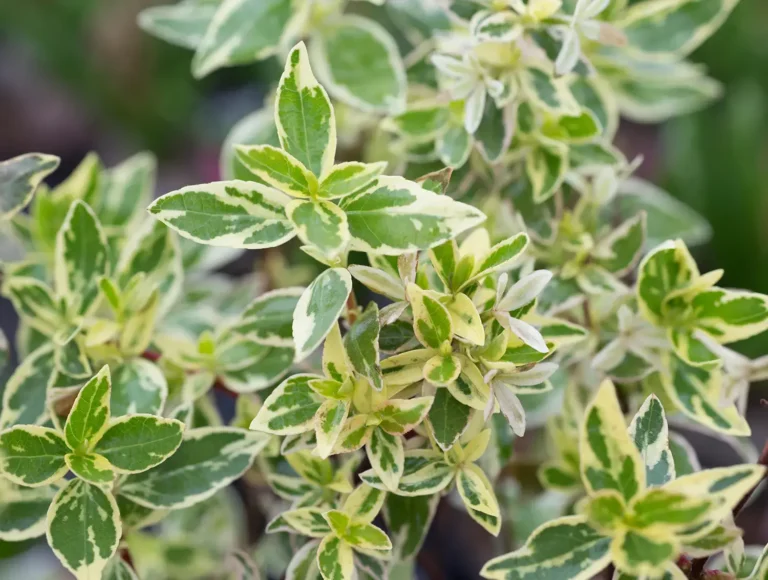
Eventually, the Royal Horticultural Society formalized the cultivar name ‘Lake Maggiore’ to distinguish this classic, dependable prototype from the deluge of variegated, golden, and ultra-dwarf selections that flooded the market in the decades that followed. The plant community recognized its unmatched reliability in 2009, awarding it the prestigious RHS Award of Garden Merit (AGM). Decades later, it remains the gold standard for performance.
What You Actually Get in the Garden
If you add this workhorse to your landscape, here is exactly what you can expect in terms of growth and behavior over a 5 to 10-year period:
- The Habit: It develops a dense, bushy, multi-stemmed framework with slender, arching branches. It naturally forms a relaxed, elegant fountain shape rather than a stiff, upright blob.
- The Size: Expect it to mature at roughly 5 to 8 feet tall and 3 to 5 feet wide. Its final size depends heavily on your local climate, your soil, and how aggressively you prune it.
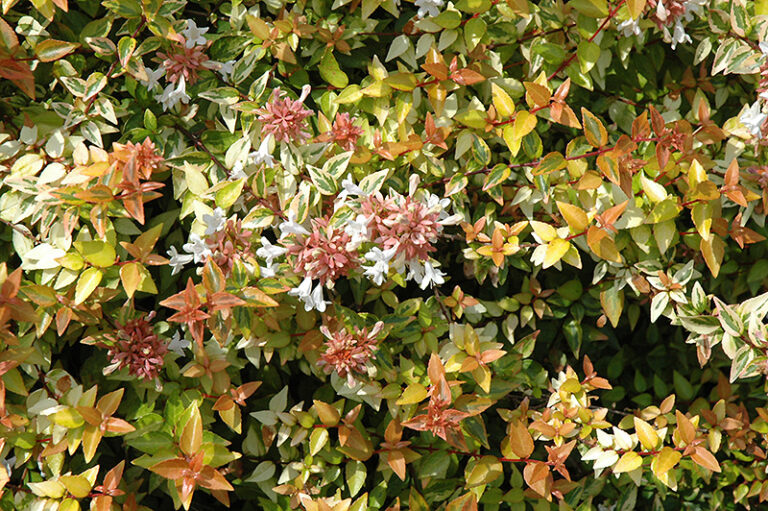
- The Foliage: The leaves are small, oval, dark green, and incredibly shiny. In milder climates, it is reliably evergreen; in colder zones, it acts as a semi-evergreen, turning a lovely bronze-green and holding tight to the branches well into late autumn.
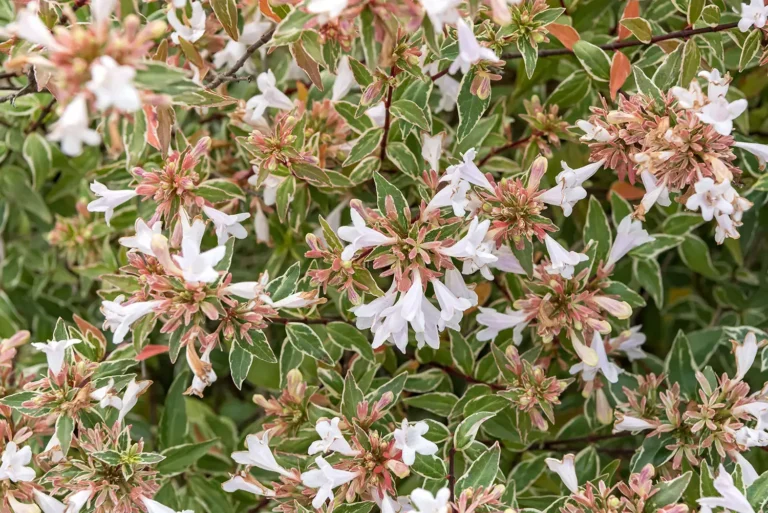
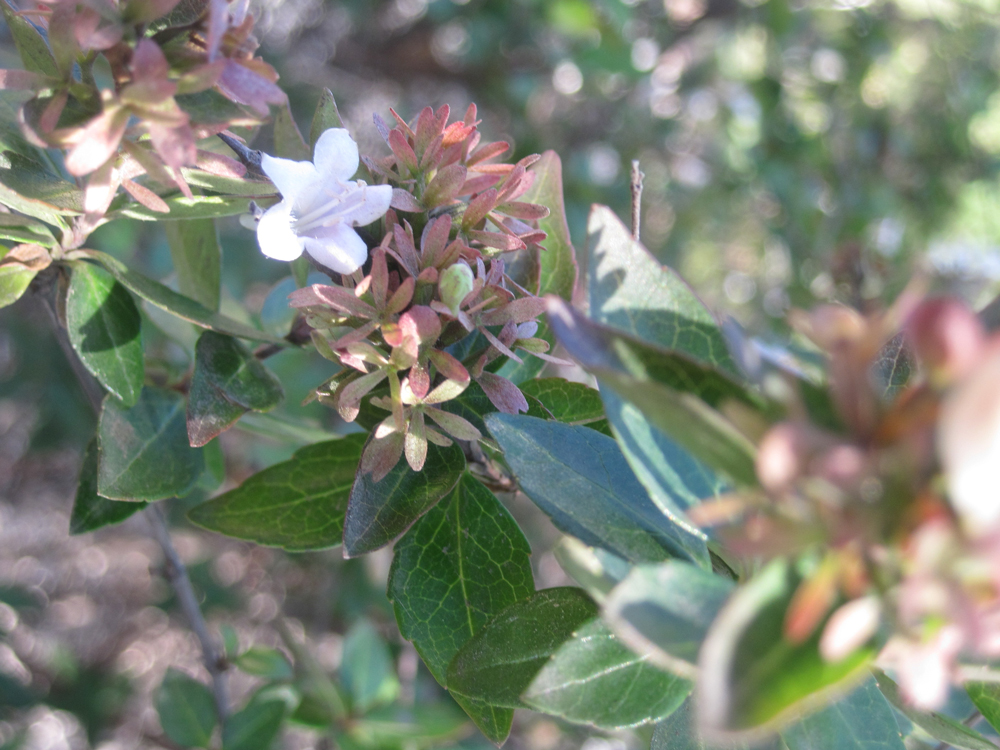
- The Flowers: Starting in July (or even June in a warm, early spring), it produces terminal clusters of funnel-shaped flowers. They open a crisp white with a delicate, blush-pink tinge at the throat, releasing a faint, sweet scent.
- The Crimson Sepals: This is the plant’s best-kept secret. When the flowers finally fade and drop in September, they leave behind their persistent, star-shaped, reddish-purple sepals (the protective base of the flower). These sepals stay on the plant through November, providing a stunning, faux-bloom effect long after the true petals are gone.
 [ Midsummer - Early Fall ]        [ Mid-Autumn - Frost ]         [ Late Winter ]
   Masses of soft pink &       ->   Bright reddish-purple    ->   Glossy bronze leaves
   white scented flowers            sepals take over branch tips   on elegant bare canes
Hardiness: Navigating the American Zones
While it has European roots, ‘Lake Maggiore’ has adapted beautifully to the extremes of American weather, thriving comfortably across USDA Hardiness Zones 6 through 9.
- In the South and Southwest (Zones 8–9): This plant is an absolute tank. It laughs at oppressive humidity, handles baking summer heat, and functions as a true broadleaf evergreen. It’s a go-to choice for filling out foundation lines, framing walkways, or creating low, informal hedges.
- In the Mid-Atlantic and Upper South (Zones 6–7): It acts as a semi-evergreen. In a mild winter, it stays green; in a brutal winter, it might drop a fair amount of foliage, but it bounces right back. It is one of the very few shrubs in these zones that still looks lush and vibrant in mid-September.
- In the North (Zone 5): It’s a bit of a gamble, but completely doable if you know the trick. A severe northern winter will likely freeze the top growth right down to the ground. However, because abelia blooms on “new wood” (the current season’s growth), you can treat it as a cutback shrub. Even if winter zaps the canes, the root system will push up strong new growth in the spring, and you’ll still get a full show of flowers by late summer.
Regardless of your zone, the real key to success is exposure. Give this shrub full, glorious sun and a spot sheltered from bitter, drying winter winds—a south-, east-, or west-facing aspect is ideal. If you try to tuck it away in the shade, you’ll be disappointed; the growth will get leggy, the foliage will lose its luster, and the flower production will drop off significantly.
Soil, Water, and Feeding: Keep It Simple
One of the reasons I love this plant is that it doesn’t require you to baby it. Abelia is incredibly forgiving, provided you respect its one major dealbreaker.
- Soil Type: It is highly adaptable. It will grow in chalky, sandy, or loamy soils, and it tolerates a wide pH spectrum, from quite acidic to moderately alkaline.
- The Drainage Dealbreaker: The absolute non-negotiable is moist but well-drained soil. Abelia will absolutely sulk in heavy, compacted, waterlogged clay. If its root system sits in soggy, stagnant water, it will drop leaves, experience dieback, and become highly vulnerable to root rot.
- Fertility: It doesn’t need high-octane fertilizer. A moderately fertile soil is perfect. When you plant it, simply amend the area with a few shovelfuls of well-rotted organic compost. After that, a light topdressing of compost or a sprinkle of a balanced, slow-release garden fertilizer every spring is all it takes.
- Watering: Give it regular, deep waterings during its first growing season to help it establish a deep, resilient root system. Once it is fully established, it is remarkably drought-tolerant. That said, giving it a thorough soaking during a prolonged summer dry spell will keep the foliage looking glossy and ensure the flowers keep pumping out.
Planting for Long-Term Success
To give your abelia the best start in life, aim to plant it in either the spring or early autumn, when the soil is warm and workable but the air temperatures are mild.
Start by clearing the area and loosening the native soil deeply. I highly recommend tossing a handful of mycorrhizal fungi right into the planting hole; it works wonders for kickstarting root development. Dig the hole twice as wide as the nursery pot, but crucially, set the shrub at the precise depth it was growing in its container. Backfill with your native soil, avoiding the temptation to over-amend the hole with pure potting soil, which can inadvertently trick the roots into staying confined to the hole rather than spreading out into your yard.
Once it’s in the ground, give it a long, slow drink. Finish by spreading a 2-to-3-inch layer of organic wood mulch or shredded leaves over the root zone. This helps conserve precious soil moisture, suppresses weeds, and insulates the roots against upcoming temperature swings.
Pruning: The One Chore That Makes a Huge Difference
Because abelia sets its flower buds on the new growth it pushes out during the current season, your pruning schedule needs to work with the plant’s natural rhythm, not against it.
  [ EARLY SPRING ] -> Snip winter-killed tips + remove 1/3 of old wood from base.
  [ LATE SPRING  ] -> DO NOT PRUNE. You will cut off the upcoming summer flower buds.
- The Late-Winter Tidy-Up: Wait until the worst threat of hard winter frost has passed and you see the buds just starting to swell (usually late February to early March in Zones 6–8). Take your hand pruners and lightly shape the shrub, cutting back any winter-damaged tips and removing any dead, broken, or awkwardly crossing branches to keep the center open to light and air.
- The 3-Year Rejuvenation: Old abelias can eventually start to look a little leggy or thin at the bottom. Every three or four years, take a pair of loppers and cut a few of the oldest, thickest stems completely down to the ground. This hard pruning triggers a massive flush of vigorous, fresh canes from the crown, keeping the shrub dense, bushy, and packed with flowers. You can be pretty aggressive here—abelia handles hard rejuvenation pruning beautifully.
- What NOT to Do: Whatever you do, do not prune this plant in late spring once it has started pushing out new growth, or you’ll cut off the very stems meant to carry this year’s flowers. And please, put down the electric hedge shears. Treating an abelia like a formal boxwood or shearing it into a tight, rigid square ruins its gorgeous, natural fountain shape.
Propagation: Cuttings Made Easy
If you fall in love with ‘Lake Maggiore’ and want more of them for your property, you’re in luck. This cultivar roots incredibly easily from cuttings, making it a fun project for any gardener.
- Softwood Cuttings (Late Spring to Early Summer): Look for flexible, non-flowering new shoots. Snip off 4-to-6-inch lengths, making your cut clean and right below a leaf node. Strip off the lower leaves, dip the bare stem in a bit of rooting hormone if you have it, and insert it into a sharply draining propagation mix (like half peat, half perlite). Keep the cuttings warm, bright, and humid—either under a clear plastic dome or enclosed in a plastic bag. You should see roots forming in just 2 to 6 weeks.
- Semi-Hardwood Cuttings (Mid to Late Summer): This is the method commercial growers prefer. You take these cuttings slightly later in the season, just as the base of the new stems is beginning to firm up and turn woody (lignify). They root just as reliably and are less prone to wilting than ultra-tender spring softwood.
- Hardwood Cuttings: While you can technically attempt hardwood cuttings taken from dormant, woody stems in late fall or winter, they are much slower to respond and generally far less reliable than summer cuttings.
Pests and Diseases: A Refreshingly Carefree Plant
In an era where gardeners are constantly battling devastating blights, boxwood moths, and relentless pests, abelia is a breath of fresh air. For the most part, it is completely trouble-free.
You might occasionally spot a small colony of aphids huddled on the tender new spring growth, but natural predators like ladybugs usually clean them up quickly; they rarely cause enough cosmetic damage to warrant spraying.
The only serious disease to watch out for is honey fungus (Armillaria), a soil-borne fungal pathogen that attacks the root systems of stressed woody plants, causing sudden, dramatic dieback. Unfortunately, there are no chemical cures for honey fungus. If a plant becomes infected, it must be completely dug up and destroyed to prevent the fungus from spreading through the soil to neighboring shrubs.
Thankfully, prevention is simple: your absolute best defense is providing excellent soil drainage, avoiding waterlogged sites, and keeping the plant vigorous by putting it in the sun and keeping it mulched.
How to Blend It Into Your Landscape
Because of its graceful habit and incredibly long season of interest, ‘Lake Maggiore’ can wear a lot of different hats in your garden design:
- The Mixed Border Anchor: Let it grow naturally in a mixed perennial border. Its structural shape and late-season flowers provide the perfect backdrop as summer perennials begin to fade and collapse around it.
- The Informal Screen: If you need a soft screen or a friendly property divider, space individual plants about 4 to 6 feet apart (closer if you want a quicker fill). A light trim each spring will keep them dense without losing that lovely arching look.
- The Perfect Foundation Plant: It is stunning when planted against the house, especially along sunny foundation walls or flanking a front walkway where the home creates a warm, protected microclimate.
- Erosion Control: If you have a sunny, troublesome slope or bank that is difficult to mow, abelia’s dense, spreading root system and arching branches make it an excellent choice for stabilizing the soil.
- Patio Containers: Yes, you can grow it in pots! Choose a large, heavy container with excellent drainage holes, use a high-quality potting mix, and place it on a sunny patio or terrace. Just remember that container-grown plants require more frequent watering and winter protection than those in the ground.
As an added bonus, its long blooming window provides a vital lifeline for local pollinators, filling your yard with ecological life just as other nectar sources are drying up for the season.
The Final Verdict: Why the Benchmark Stands Tall
Look, you can spend a lot of money at the local garden center on temperamental, high-maintenance shrubs that promise the moon but fizzle out by mid-July. Or, you can plant a ‘Lake Maggiore’ abelia.
While newer cultivars offer variegated leaves or ultra-compact shapes, this classic green-and-pink benchmark remains completely unmatched for sheer vigor, flower production, and bulletproof reliability. It is the ultimate no-fuss garden investment. Plant it where you can easily see it from your kitchen window during those crisp September mornings, let its branches arch naturally, prune it once a year, and let the bees do the rest.