The Great Okra Showcase: A Guide to the Best Abelmoschus Cultivars
The humble okra patch has undergone a quiet revolution. Beyond the standard-issue green pods of commercial agriculture lies a remarkably diverse family of Abelmoschus esculentus cultivars. Today’s edible landscapers can choose from dwarf container wonders, towering pre-Civil War heirlooms, and striking crimson beauties that hold their own in a front-yard flower border.
This guide profiles the essential named varieties, detailing the unique physical traits and garden performance that set them apart. For practical growing advice—including soil prep, spacing, and pest control—be sure to consult our comprehensive Master Okra Growing Guide.
The Clemson Spineless Dynasty
‘Clemson Spineless’
This is the undisputed titan of the okra world. Since winning the All-America Selections award back in 1939, ‘Clemson Spineless’ has served as the baseline standard for both commercial growers and home gardeners. Bred at Clemson University from an exceptional spineless mutant found in late-19th-century South Carolina, these dependable 4- to 5-foot plants pump out uniformly ribbed, entirely hairless, dark-green pods. It still commands roughly 90% of American commercial okra acreage, thanks to its relentless heat tolerance and reliable yields from USDA zones 5 through 10.

‘Clemson Spineless 80’
An elegant refinement of the original, ‘Clemson Spineless 80’ was introduced by the university in 1980. It tweaks the classic form by offering a slightly taller stature and a more open, user-friendly growth habit. Expect to harvest its medium-green, ridged pods about 10 days earlier than its predecessor—often in just 52 days. While it looks nearly identical to the 1939 standard, the looser canopy makes spotting and picking the pods a far easier chore.
‘Clemson Spineless 99’
You may occasionally spot ‘Clemson Spineless 99’ in seed lists, but verified historical details are hard to come by. Lacking formal breeding records or trial data from university extension services, this strain is currently recognized as a minor trade selection or synonym for the standard ‘Clemson Spineless’ line rather than a distinct, standalone cultivar.
Lightning-Fast Hybrids and Compact Contenders
‘Cajun Delight’
If you want the reliability of ‘Clemson Spineless’ packaged into a high-performance hybrid, ‘Cajun Delight’ is the answer. This 1997 All-America Selections winner from Petoseed hits the ground running, maturing in a brief 50 to 55 days. The compact 4-foot plants feature tight spacing between leaves and yield an abundance of smooth, five-angled, dark-green pods. Crucially for the kitchen, these pods resist woody fiber buildup, staying tender on the plant longer than standard open-pollinated varieties.
‘Jambalaya’
Introduced by Sakata Seed around 2012, ‘Jambalaya’ is a game-changer for small-space gardeners. This ultra-early F1 hybrid is remarkably compact, throwing its first meaty, deep green pods when the plant is barely two feet tall. It eventually stretches to a manageable 5 or 6 feet, but its reduced leaf size means you can pack plants tightly into raised beds. Clocking in at around 50 days to maturity, university trials consistently rank it as a top performer for total yield per plant.
Smooth and Rounded Pod Varieties
‘Emerald’
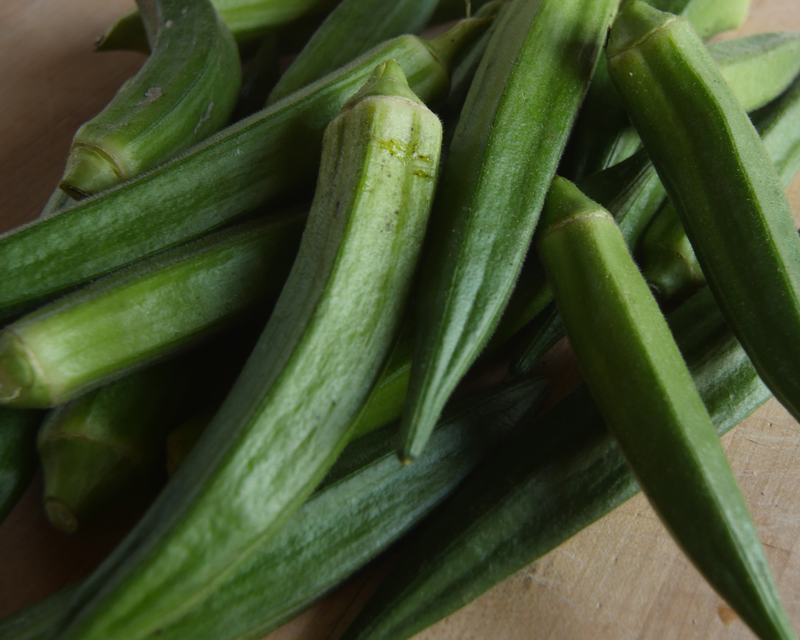
The Campbell Soup Company developed this heirloom jewel in 1950, crossing ‘Campbells Long Green’, ‘Clemson Spineless’, ‘Louisiana Green’, and ‘Cow Horn’. The result is a standout 4-foot semi-dwarf plant that rejects the typical ribbed okra look. Instead, it produces perfectly round, slender, pencil-straight pods in a rich, velvety green. Maturing in 55 to 60 days, ‘Emerald’ boasts thick pod walls that maintain a tender texture even when oversized, and its bright color won’t fade during cooking.
‘Louisiana Green Velvet’
Bred specifically to withstand the rigorous heat processing of the commercial canning industry, ‘Louisiana Green Velvet’ was released by the Louisiana Fruit and Truck Station in 1940. This robust 6-foot variety throws smooth, completely round, spineless pods that stretch 6 to 8 inches long. It is exceptionally drought-resistant and handles the oppressive humidity of the Deep South with ease. The pods have a uniquely plush, velvety skin and a rich, traditional flavor perfect for thickening gumbos or frying crisp.

Towering Heirlooms and Heavy Hitters
‘Cowhorn’
Dating back before 1865, ‘Cowhorn’ is a true Southern giant that belongs in every heirloom lover’s garden. These massive plants easily reach 7 to 8 feet—and can double that height in ideal conditions—requiring plenty of room to branch out. True to its name, it yields gently curved, spineless pods that can reach a whopping 10 to 14 inches long. While they stay tender at greater lengths than almost any other variety, you will get the finest culinary quality by harvesting them at 5 to 6 inches. Expect a harvest anywhere from 55 to 90 days.
‘Lee’
The University of Arkansas released this open-pollinated workhorse in 1978 after crossing ‘Gulfcoast’, ‘PI 248999’, ‘Emerald’, and ‘Clemson Spineless’. ‘Lee’ is an excellent mid-sized choice for gardeners who dislike wrestling with dense, unruly branches. The compact, single-stemmed plants feature lightly lobed leaves and clean, bright-green, five-sided pods measuring 6 to 7 inches. It hits its stride around day 55 and is frequently praised in Southern extension trials for its effortless harvest and steady output.

Striking Red and Ornamental Showstoppers
‘Red Velvet’
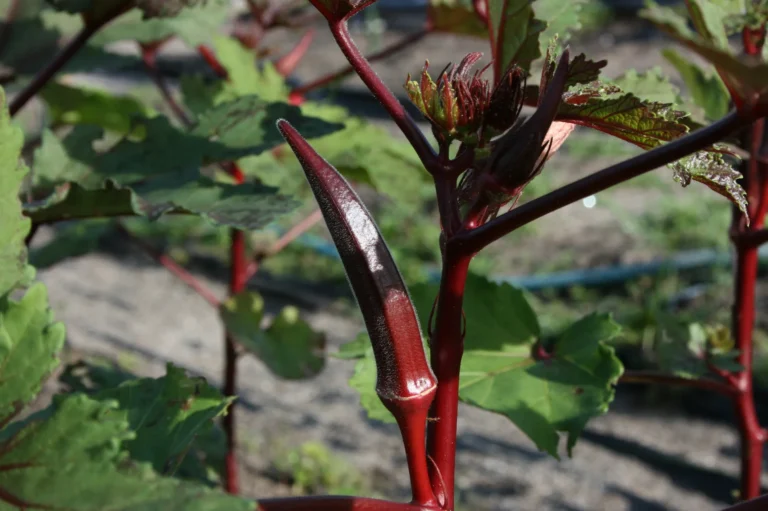
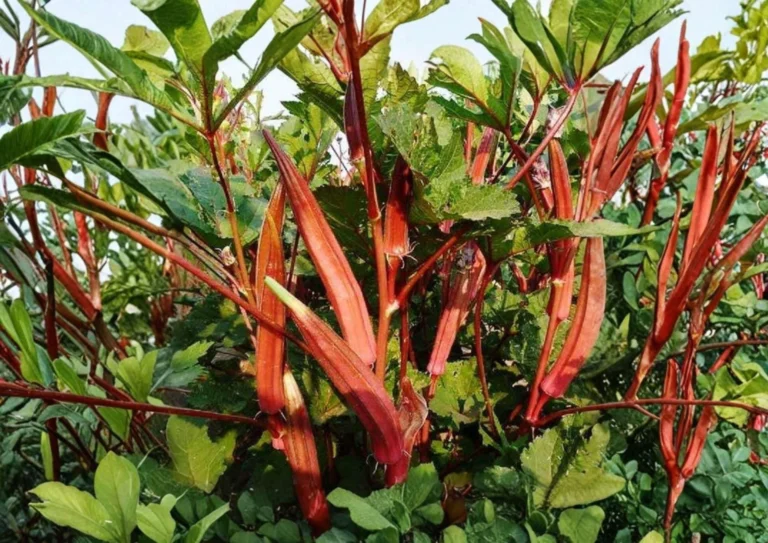
Who says an edible garden can’t be stunningly beautiful? ‘Red Velvet’ pulls double duty as a brilliant ornamental and a top-tier culinary choice. Growing 4 to 5 feet tall, the plant features dramatic scarlet stems and leaf ribs that support slightly ribbed, bright red pods. Unlike some red varieties that fade to a muddy brown, ‘Red Velvet’ retains its rich color exceptionally well. The 3- to 6-inch pods offer a distinctively sweet flavor that shines when sliced fresh into salads or pickled.
‘Candle Fire’
An F1 hybrid that took home an All-America Selections award in 2017, ‘Candle Fire’ offers a modern twist on red okra. Its pods are completely round and smooth, glowing with a vivid, crimson-red hue that is noticeably brighter than older burgundy heirlooms. The plants are highly productive and disease-resistant in hot, swampy summers, maturing in 60 days. With sweet hibiscus-like yellow flowers featuring deep rosy throats, it deserves a prime spot in mixed border designs.
‘Blondy’
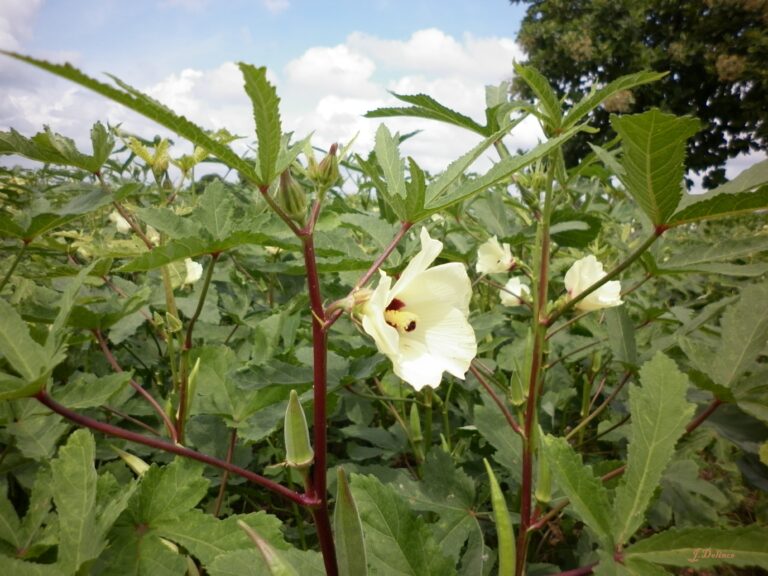
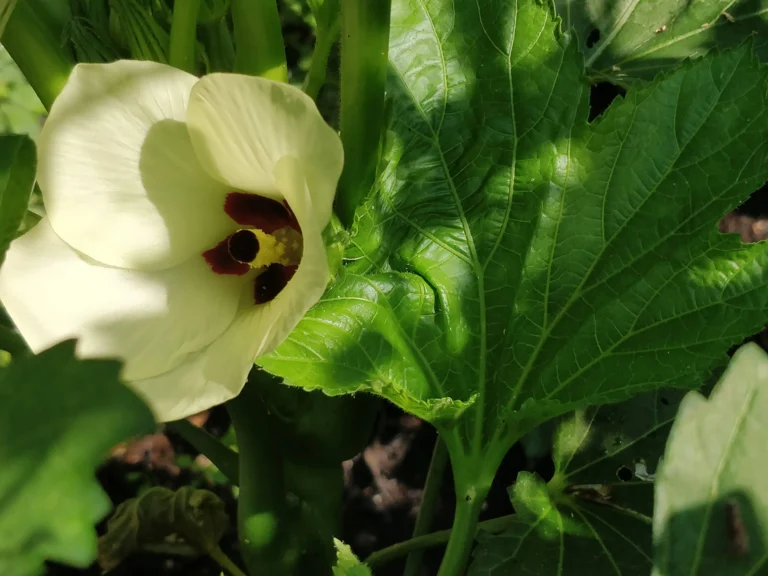
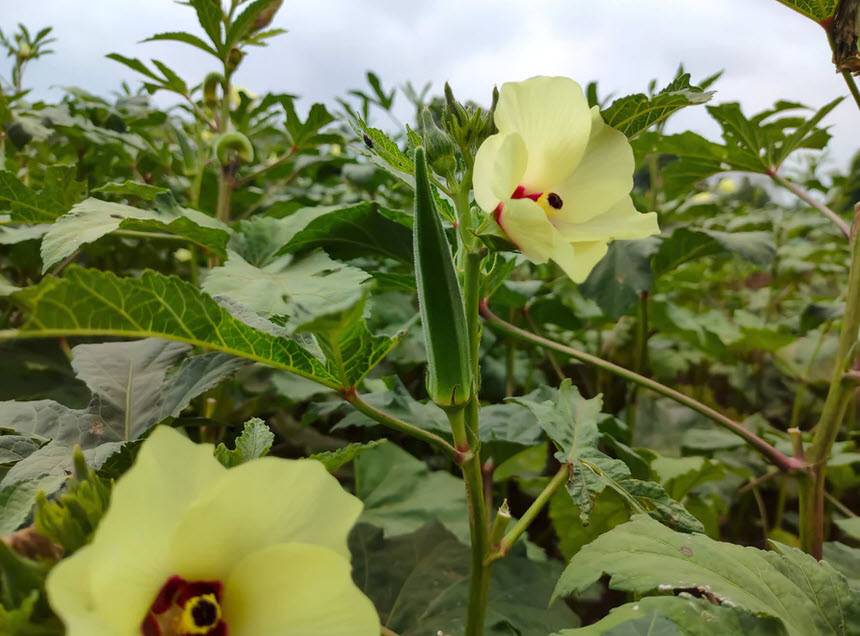
Making waves upon its 1986 All-America Selections debut, ‘Blondy’ was a breakthrough as the first truly dwarf, pale-podded variety. The pint-sized plants produce unique, creamy-white to lime-green pods that offer a stark visual contrast to standard green types. It starts producing very early in the season, showing off beautiful creamy flowers before yielding pale, tender pods prized by chefs for traditional French and Creole cooking.
Other Dependable Varieties with Clear Provenance
‘Prelude’
Introduced by Northrup King in 1984, ‘Prelude’ is an ultra-early, open-pollinated variety that begins yielding fluted, dark-green pods in a mere 48 days. The secret to its productivity lies in its deeply cut, lance-shaped leaves. This unique foliage allows maximum sunlight to penetrate deep into the compact plant canopy, speeding up fruit maturation and making the 3- to 5-inch pods incredibly easy to spot at harvest time.
‘Annie Oakley II’
This 1990 F1 hybrid from Petoseed remains a favorite recommendation among Southern university extension agents. ‘Annie Oakley II’ is a well-behaved, compact plant with short spaces between branches and an open canopy that minimizes scratches during picking. It reliably pumps out an early crop of sharply angled, five-sided, dark green spineless pods that perform beautifully whether destined for the fresh market or the home freezer.
‘Burgundy’
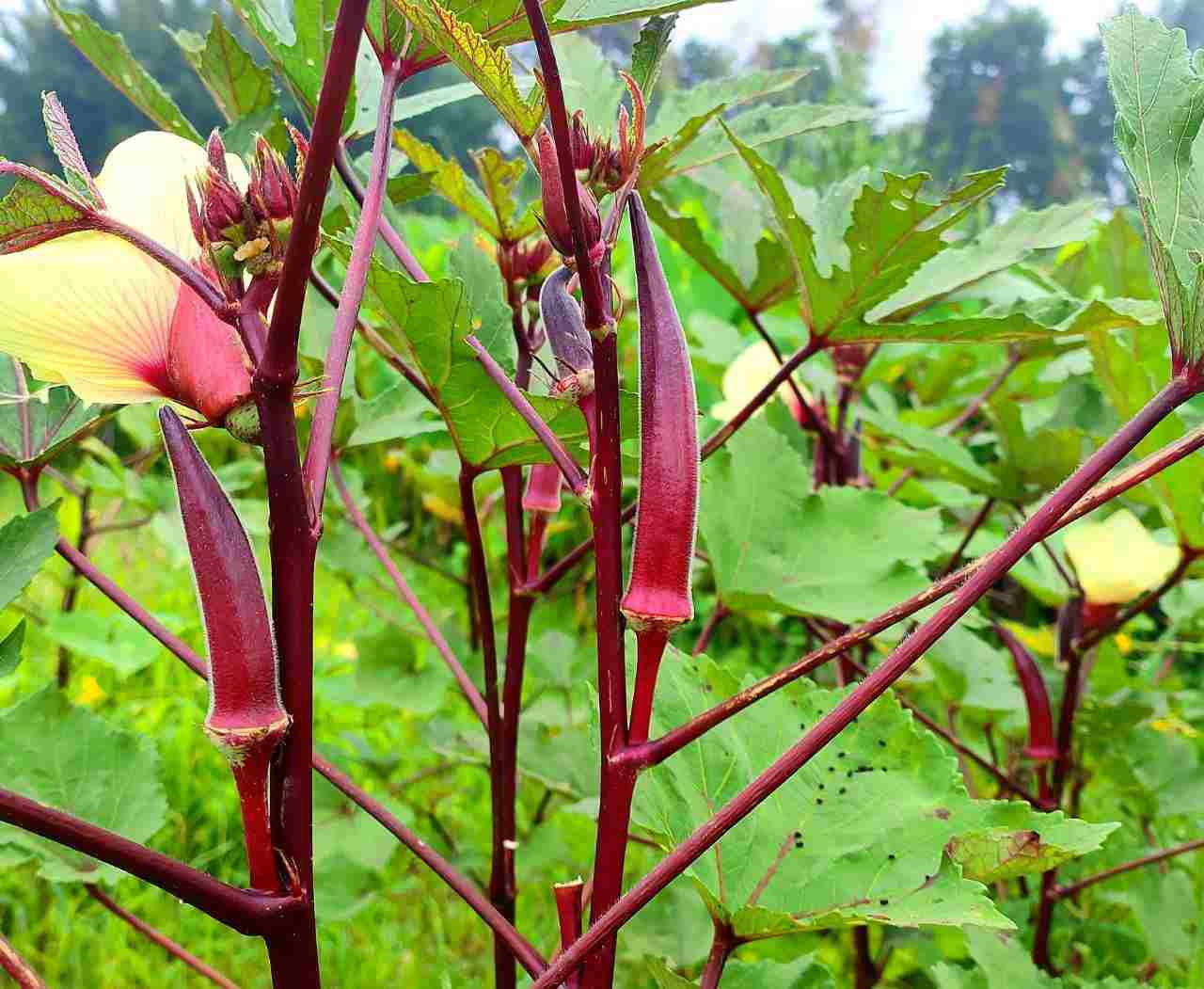
Bred by Leon Robbins at Clemson University and released in 1983, Abelmoschus esculentus ‘Red Burgundy’ (often sold as ‘Red Burgundy’) is a spectacular dual-purpose classic. Winning an AAS award in 1988, these 4-foot plants put on an incredible garden show with deep wine-red stems and leaf veins that frame pale yellow blossoms. For the absolute best texture and sweet flavor, pick the deep-red, ribbed pods when they are no longer than 3 to 4 inches.
The Collector’s Corner: Rarity and Name Sorting
Navigating the world of rare seed catalogs requires a discerning eye. A few widely circulated names require a bit of clarification regarding their true identity and performance.
‘Spineless Beauty’ and ‘Spineless Perfection’
While these names frequently pop up in commercial seed packets, they do not exist as distinct, stabilized cultivars in major academic or Royal Horticultural Society databases. Instead, they are descriptive marketing names used by the seed trade for selected, high-quality strains of the standard ‘Clemson Spineless’ family. Expect standard spineless performance rather than a unique botanical variety.
A Warning on ‘Sapelo Sweet’, ‘Sierra Blanca’, ‘Pirate’, ‘Plethora’, and ‘Quick Start’
If you spot these names listed under okra recommendations in regional agricultural handbooks, look closer. This is a case of cross-crop clerical confusion. These names belong exclusively to sweet pepper (Capsicum spp.) varieties that accidentally slipped into okra tables during printing. Always verify that you are buying true Abelmoschus esculentus seed and not a sweet pepper.
Unnamed Regional Forms and Gene Bank Treasures
International germplasm repositories, like the ORSTOM/IBPGR collection in Côte d’Ivoire, preserve hundreds of diverse okra accessions displaying fascinating variations in color and shape. A handful of these landraces have made their way into the hands of seed savers under names like “Hill Country Red,” “Star of David,” “Silver Queen,” and “Burmese”. Unless they have been officially stabilized and named, these remain wonderful, unpredictable curiosities best suited for historical preservationists and experimental gardeners.
Living Landscape Design with Okra
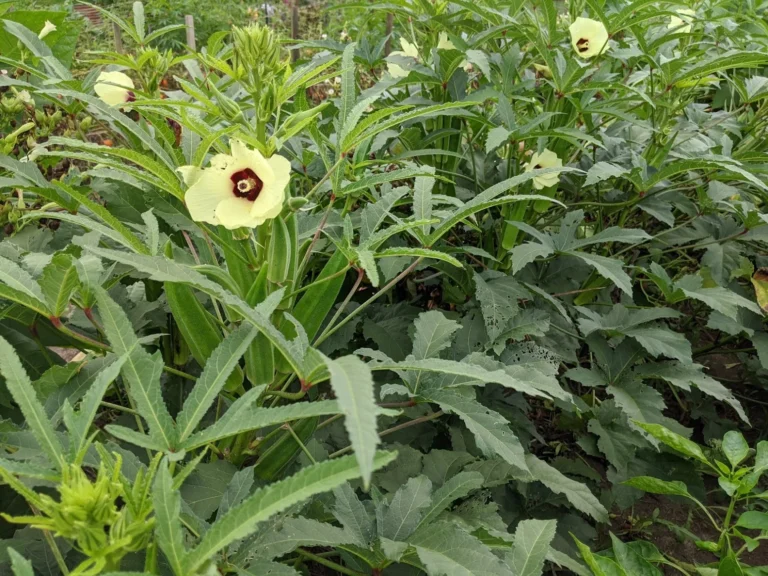
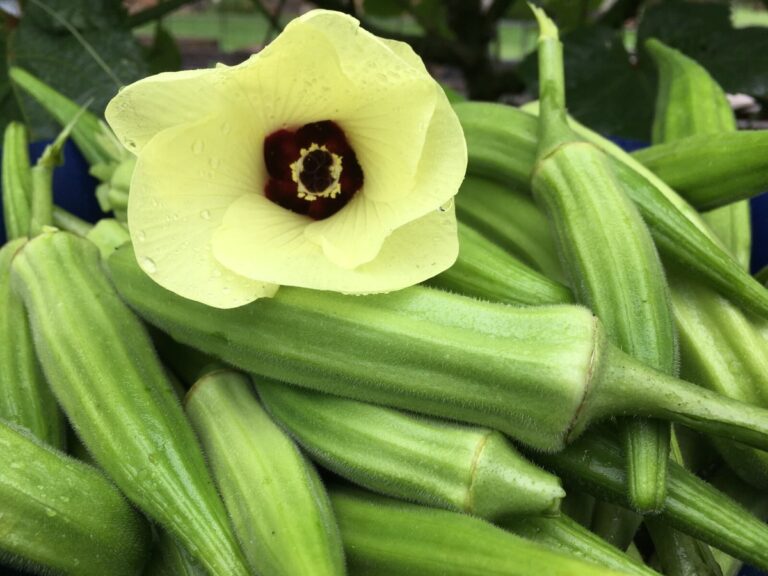
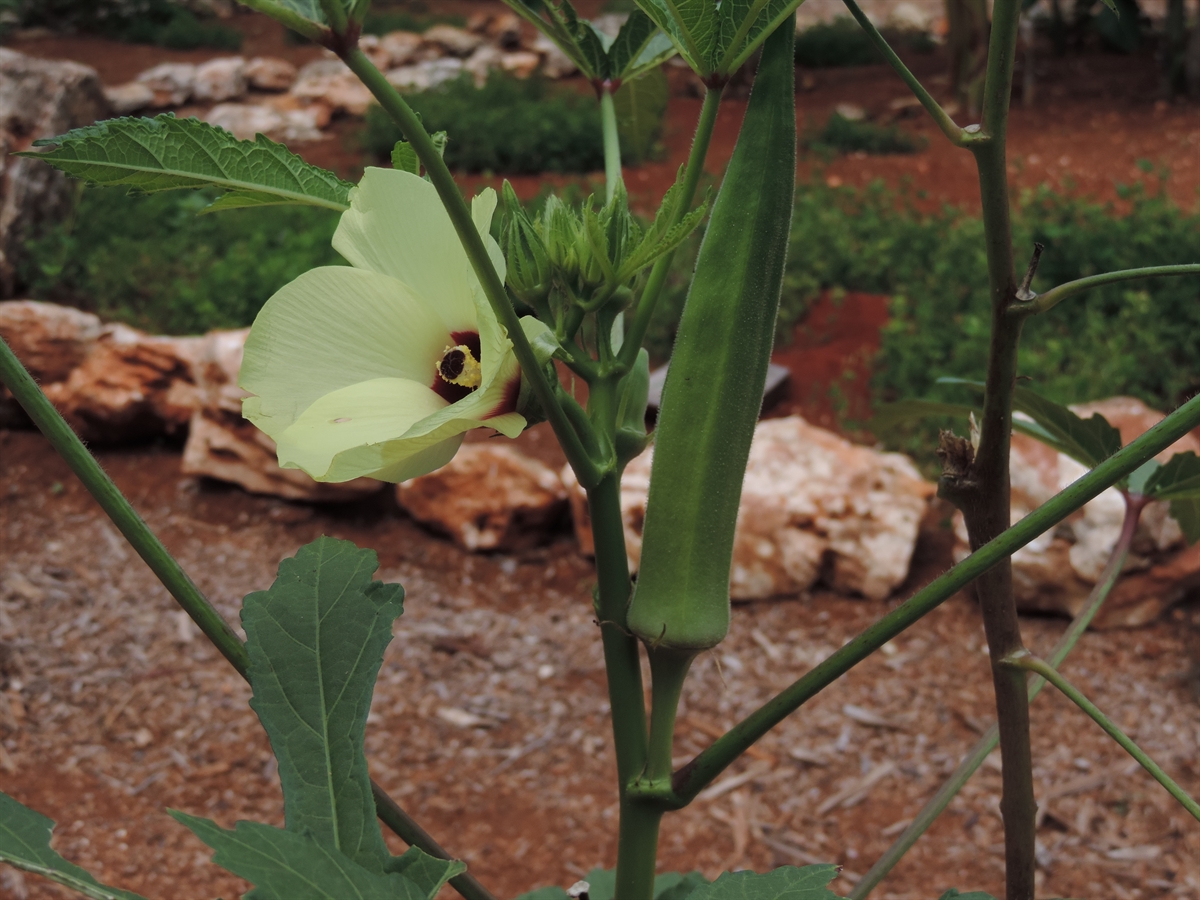
With their bold, tropical-looking leaves, exquisite hibiscus-like blossoms, and architectural pods, okra plants are natural choices for the edible landscape. Integrating them requires a basic understanding of their forms:
- The Structural Backbone: Standard green varieties like ‘Clemson Spineless’ or ‘Cajun Delight’ provide a steady, deep-green vertical backdrop. Use them as a living green wall behind shorter annual flowers or herbs.
- The Color Catalysts: Crimson varieties like ‘Candle Fire’, ‘Red Velvet’, and ‘Burgundy’ create instant focal points. Their striking red stems and veins pop beautifully when interplanted with silver-leafed herbs like culinary sage, structural rosemary, or golden-foliage annuals.
- Small-Space Stars: Don’t hesitate to use dwarf options like ‘Jambalaya’ or ‘Blondy’ in decorative patio containers or front-yard raised beds. They offer high visual interest without overwhelming tight spaces.
- The Sentinels: Towering heirlooms like ‘Cowhorn’ work wonderfully as temporary summer screens along property lines, adding dramatic height and old-world charm to large garden borders.