
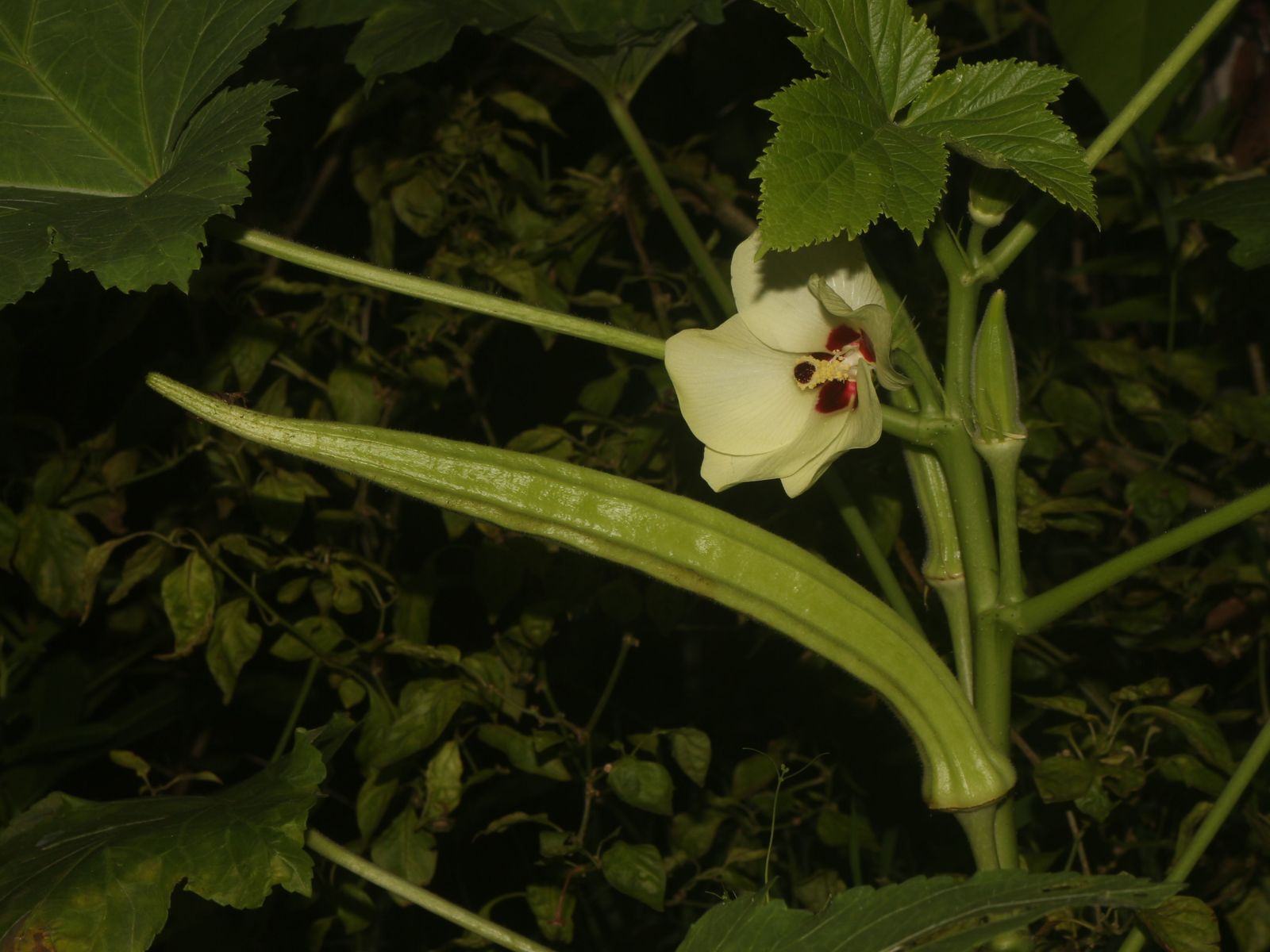
Abelmoschus (okra) – Complete Growing Guide
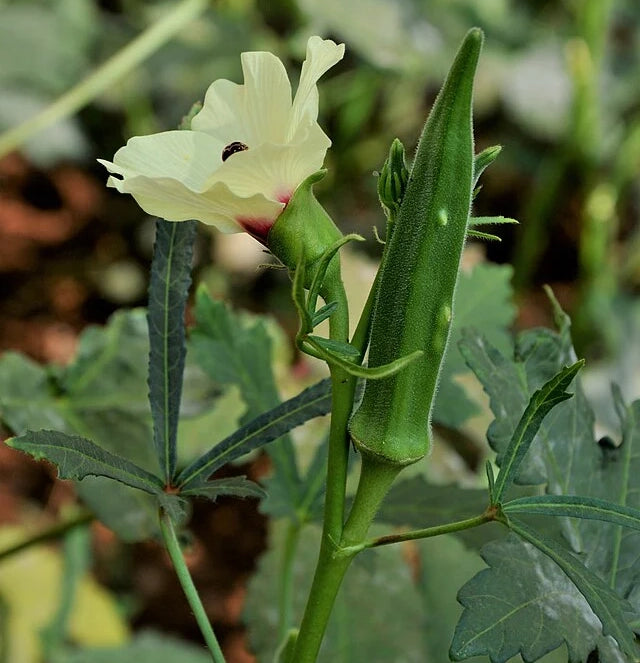
Few vegetables match the sheer, sun-worshipping resilience of okra (Abelmoschus esculentus). Where other summer crops flag in the mid-July swelter, this tropical powerhouse thrives, throwing up architectural stalks loaded with premium pods within 50 to 60 days of sowing. While technically a perennial in frost-free zones, most gardeners treat it as a fast-paying annual. The return on a minimal investment of garden real estate is immense: relentless yields of tender pods and a striking visual display of cream-and-burgundy blossoms that easily rival any ornamental hibiscus. Whether you are tucking a few dwarf plants into patio containers or lining a hot greenhouse border, okra delivers both high-impact beauty and culinary utility.
Botanical Background
Genus
Abelmoschus encompasses roughly 15 distinct species nested within the mallow family (Malvaceae). Indigenous to the sun-baked landscapes of tropical Africa, Asia, and northern Australia, the genus draws its name from the Arabic phrase abul-l-mosk—meaning “father of musk”—a nod to the highly aromatic seeds found in select species.
Primary Species
Abelmoschus esculentus stands as the undisputed heavy hitter of the family, known globally as okra, lady’s fingers, or bhindi. Cultivated along the fertile banks of the Nile since at least the 12th century BC, this Ethiopian native spent years taxonomically grouped under Hibiscus (as H. esculentus) before modern botanists permanently shifted it to Abelmoschus.
Habitat
True to its tropical heritage, okra demands sustained warmth. Plant development stalls below 20°C (68°F), while the seeds themselves wait for soil temperatures to hit an almost tropical 30–35°C (86–95°F) for peak germination. Though highly adaptable to varying soil textures, the plants reach peak performance in deep, fertile, moisture-retentive loams that drain freely.
Best Okra Varieties for Gardens
Choosing the right cultivar depends entirely on your regional climate, available footprint, and aesthetic goals. To keep your patch productive, look to these distinct, high-performing selections.
Clemson Spineless
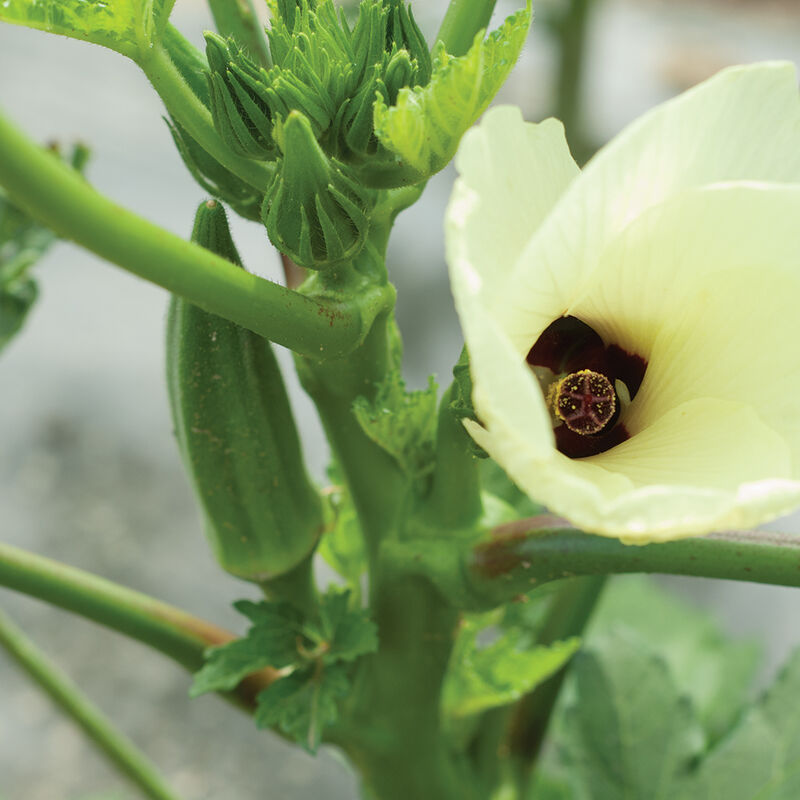
The undisputed gold standard of green okra. This heirloom dominates both commercial fields and backyard plots due to its nearly hairless, thorn-free stems and dependable heavy yields. The straight, ribbed pods remain tender at longer lengths, making it the most forgiving variety for fresh eating and kitchen processing alike.
Red Burgundy / Burgundy
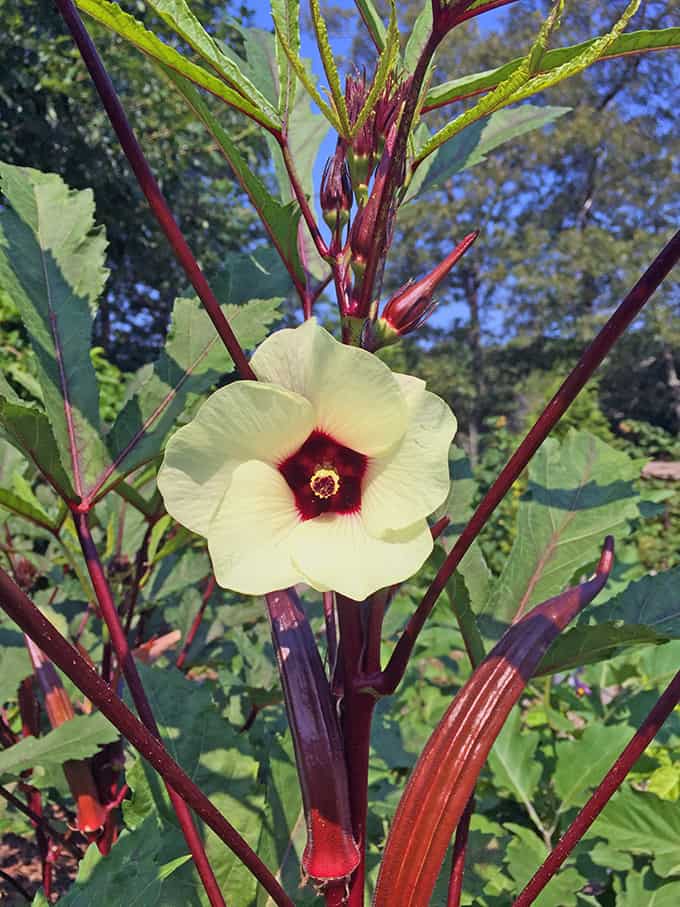
A show-stopping cultivar that bridges the gap between the vegetable patch and the ornamental border. Featuring deep wine-red pods offset by striking burgundy leaf veins, it makes a dramatic statement in the garden. Note that the intense pigments mellow and darken during cooking.
Baby Bubba
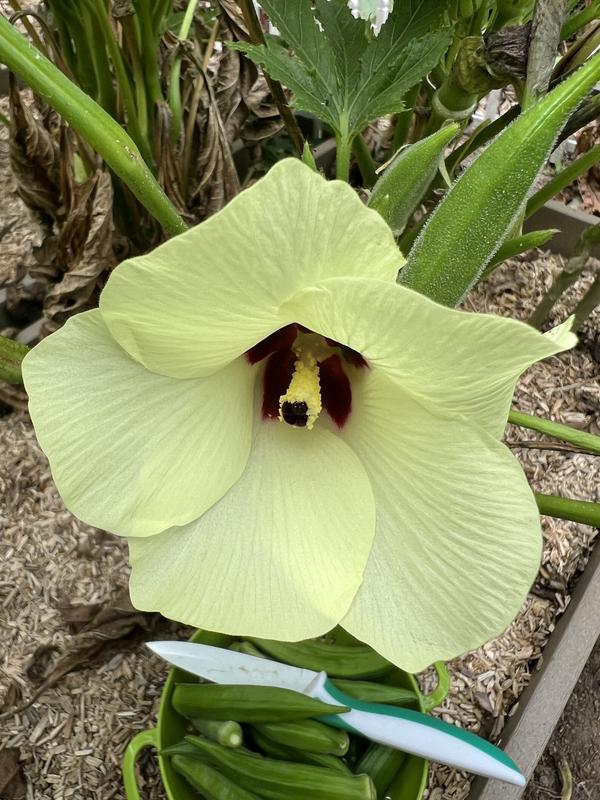
Proof that you do not need an acre to grow impressive crops. Topping out at a modest 1 to 2 feet tall, this genuine dwarf variety is custom-engineered for tight spaces, urban balconies, and container culture without sacrificing the size or quality of the harvest.
Annie Oakley II

A compact, 3-to-4-foot hybrid prized for its early start. If your growing season is short or your spring gets off to a sluggish, cool start, this spineless green producer will outpace the competition to deliver early-season pods.
Carmine Splendor
This early-maturing hybrid brings a brilliant splash of crimson to the garden. Its exceptional visual appeal comes from a combination of deeply saturated red pods and highly decorative flowers, making it perfect for front-yard edible landscaping.
Jing Orange
A towering heirloom that climbs to 5 or 6 feet, anchoring the back of a border with ease. The real draw is the unique, warm reddish-orange hue of the pods, which offer excellent culinary quality alongside undeniable architectural flair.
Clemson Spineless 80 / 99

Subtle variations on the original parent stock, offering minor structural refinements but identical garden performance and culinary use.
Standard Green Heirlooms & Regional Selections
A collection of reliable, regional green performers including Cajun Delight, Emerald, Jambalaya, Lee/LeeAR, Cowhorn, and Louisiana Green Velvet. While each has local champions, they share similar cultivation requirements and pod profiles, making them ideal for direct comparison in cultural roundups.
Red-Podded Overlaps
Varieties like Red Velvet and Candle Fire share the same striking aesthetic and heat requirements as Red Burgundy. They are best evaluated side-by-side to determine which fits your microclimate.
Performance/Breeding Selections
A group of highly uniform commercial and home hybrids including Spineless Beauty, Spineless Perfection, Quick Start, Plethora, Pirate, Sapelo Sweet, Sierra Blanca, Superex, and Blondy. These focus primarily on disease resistance and uniform yields rather than radical visual differences.
Rare Forms & Unnamed Colour Accessions
Hard-to-find collector seeds and wild accessions that offer fascinating genetic diversity for historical preservationists, though they lack broad commercial distribution.
Growing Conditions
Success with okra hinges on replicating its native tropical warmth. Give it a spot that mimics a sun-drenched meadow, and it will reward you with explosive growth.
Hardiness
Grown strictly as a tender annual across most temperate zones. However, gardeners in frost-free regions (USDA zones 9 through 11) can overwinter the plants as short-lived perennials. In cooler northern regions or the UK, a greenhouse, polytunnel, or highly protected south-facing brick wall is essential.
Sun
Okra requires absolute full sun—think a minimum of 6 to 8 hours of unfiltered light daily. Positions that catch intense morning and early afternoon light yield the fastest growth.
Soil
The ideal bed is a rich, well-drained loam or sandy loam. While heavy clay soils are tolerated, you must amend them heavily with organic matter to ensure roots never sit in compacted earth.
pH
Keep things slightly acidic to neutral, aiming for a stable window between 5.5 and 7.0.
Drainage
Non-negotiable. Okra taproots are notoriously susceptible to drowning in cold, waterlogged soils, which triggers rapid root rot and early stunting.
Planting Okra
To avoid early-season setbacks, patience is your most valuable tool when planting okra.
When to Plant
If direct sowing, wait until all danger of spring frost has passed and the soil registers a consistent 18–21°C (65–70°F). For an early head start, sow indoors in modular cell trays 4 to 6 weeks before your local last-frost date. Transplant out only when night temperatures remain reliably warm and seedlings stand roughly 10 to 15 cm (4–6 in) tall.
Site Selection & Spacing
Pick a location shielded from harsh winds, as the tall, heavy stalks can catch the wind and snap at the base. Space individual plants 30 to 90 cm (1–3 ft) apart based on their mature habit; tight-growing dwarfs can sit closer, whereas statuesque types like Jing Orange demand maximum elbow room. Aligning rows in an east-west orientation keeps taller stalks from casting shadows on their neighbours.
Soil Preparation
Before planting, work a generous layer of well-rotted manure or mature garden compost into the bed. Okra has a moderate appetite and appreciates a nutrient-dense foundation. In marginal or short-summer areas, lay down black plastic or position cloches over the soil for 1 to 2 weeks prior to planting to raise underground temperatures.
Containers vs. Ground
When potting up for patio growth, select a substantial container measuring at least 30 cm (12 in) in both diameter and depth. Restrict planting to a single specimen per pot, or limit yourself to two plants per standard grow bag. For ground or greenhouse borders, plant directly into amended earth and apply a generous layer of mulch once the soil has fully warmed to lock in moisture and keep weeds at bay.
Care Through the Seasons
Watering
Keep the root zone consistently moist but never waterlogged, paying extra attention once flower buds emerge and pods begin to swell. Apply a deep soaking whenever the top 3 to 5 cm (1–2 in) of soil feels dry to the touch, and always reach for tepid water if possible to avoid shocking the heat-loving roots. During intense midsummer heatwaves, monitor your plants twice daily, watering in the cool of early morning or late afternoon.
Feeding
Side-dress the base of your plants with organic compost or a balanced, slow-release organic fertilizer twice: once when vigorous vegetative growth takes off, and again the moment the first pods are harvested. Keep a tight rein on high-nitrogen fertilizers, which drive massive leaf production at the direct expense of flowers and pods.
Mulching
Lay down a thick, clean blanket of straw, shredded leaves, or compost around established stalks. This keeps soil moisture levels steady and prevents the temperature fluctuations that can slow pod production.
Pruning & Training
Okra requires very little scissor work. Focus simply on clearing away lower leaves if air circulation drops or fungal spotting appears near the base. If a tall variety threatens to hit your greenhouse glass, pinch out the leading tip to check vertical growth and stimulate lower branching.
Propagation
While seeds remain the primary route to a heavy harvest, alternative methods exist for adventurous growers.
Seed Propagation (Recommended)
Okra seeds sport a notoriously tough outer coat. Speed up germination by lightly nicking the seed coat with sandpaper or soaking them in warm water for 12 to 24 hours prior to planting. Sow at a depth of 1.2 to 2.5 cm (½–1 in). Expect sprouts within 5 to 10 days in warm conditions. Move seedlings to the garden once they show several strong true leaves, taking care to harden them off over a 7-to-10-day period.
Cuttings (Optional Shortcut)
To clone a favorite plant, take a 15-to-20-cm (6–8 in) tip cutting. Strip away the lower foliage, dip the raw stem into rooting hormone, and press it into a moist, airy potting medium. Keep humidity levels high under a clear dome; roots generally establish within 2 to 4 weeks if temperatures are maintained between 21 and 27°C (70–80°F).
Division & Layering
Because of okra’s deep, sensitive taproot and predominantly annual lifecycle, structural division is highly impractical. While tip layering can technically be forced, it is an inefficient use of time compared to the ease of starting from seed.
Pests and Diseases
A clean, attentive garden layout keeps most okra troubles at bay.
Common Pests
Keep a sharp eye out for sap-suckers like aphids, whiteflies, and stink bugs, along with destructive corn earworms. Minor outbreaks are easily handled with a direct spray of organic insecticidal soap or neem oil. Below ground, root-knot nematodes can sap plant vigor; combat them using strict crop rotation and planting nematode-resistant selections.
Common Diseases
Fungal challenges like anthracnose, rust, powdery mildew, and fusarium rot take hold when leaves stay wet. Maximize plant spacing to ensure rapid drying, and clear out damaged foliage the moment it appears. To protect delicate indoor seedlings from damping-off, always use sterile seed-starting mixes, avoid overwatering, and employ bottom-heat mats.
Integrated Management
Incorporate companion flowers like sweet alyssum and zinnias directly into your rows to invite predatory beneficial insects. Pair this with meticulous seasonal cleanup and smart crop rotation to break pest lifecycles naturally.
Design and Uses in the Garden
With their bold, deeply lobed leaves and exotic tropical blooms, okra plants hold significant aesthetic value in an edible landscape.
Landscape Roles
Use taller varieties as an annual screen at the back of a mixed border, feature them as architectural focal points in raised beds, or anchor a sunny patio layout with container-grown dwarfs.
Wildlife Value
The pollen-rich flowers act as a magnet for native bees and pollinators. Interplanting them with nectar-heavy annuals creates a bustling habitat that improves pollination rates across your entire plot.
Companion Planting
- Cowpeas/Southern Peas: Serve as an excellent trap crop, drawing troublesome stink bugs away from your primary okra pods.
- Aromatic Herbs (Basil, Cilantro, Dill): Their pungent blooms mask the crop from pests while attracting beneficial insects.
- Peppers & Sweet Potatoes: These share an identical love of heat and deep watering, making them efficient, non-competitive bedfellows.
Layout Tip
Always position tall okra lines along the northern edge of your vegetable beds to prevent them from casting long shadows over shorter crops. Leave 45 to 90 cm (18–36 in) of clear space between plants to ensure plenty of light and air can circulate.
Common Problems and Troubleshooting
Poor Flowering or Pod Set
This is almost always a symptom of cool weather or inadequate sunlight. Ensure your site provides at least 8 full hours of direct sun, and note that pod production naturally slows down when night temperatures drop below 15°C (60°F).
Leggy Growth
When stalks grow tall and spindly, they are telling you they need more light or are being crowded out by neighboring plants. Thin out your seedlings to the recommended spacing and clear away overhanging branches.
Yellowing Leaves
Pale, washed-out foliage points toward waterlogged roots, a lack of key nutrients, or early root rot. Check your drainage immediately and apply a light dose of balanced liquid fertilizer.
Pod Toughness
If your pods are woody and impossible to chew, you have waited too long to harvest. Gather okra when pods are young, tender, and measure just 5 to 8 cm (2–3 in) in length. Once they mature past this window, they rapidly turn fibrous and tough.
Dieback After Rain
Sudden collapse or spotting after heavy storms is typically fungal. Keep water off the leaves during routine irrigation, improve air circulation, and prune away damaged tissue immediately to stop the spread.
FAQs
How long does okra take to produce?
Expect your first harvest within 50 to 60 days from sowing. Once production begins, the plants will yield continuously until the arrival of autumn chills.
Can I grow okra in pots?
Absolutely. Choose a pot that is at least 30 cm (12 in) deep and wide, and stick with compact dwarf selections like Baby Bubba for the best results.
Why are my okra pods slimy?
That clear mucilage is entirely natural and serves as an excellent thickener for traditional gumbos and stews. To minimize the texture, leave the pods completely whole when cooking, flash-fry them dry before adding sauces, or introduce an acidic ingredient like lemon juice or fresh tomatoes to break down the sugars.
Do I need to prune okra?
Keep it light. Clean away lower leaves that show signs of spotting or poor airflow, and clip the main growing tip only if a plant is outgrowing its greenhouse space.
What’s the best red okra for gardens?
Red Burgundy and Carmine Splendor are the top picks. Both provide reliable yields, excellent culinary qualities, and rich crimson coloring that stands out in the garden.
Can okra grow in shade?
No. Okra is an uncompromising sun-worshipper. Shade results in weak, leggy growth and few to no pods.
How often should I harvest?
During peak summer production, check your plants every 1 to 2 days. Frequent picking forces the plant to keep blooming and ensures you catch the pods while they are tender.
Is okra perennial?
In tropical climates or frost-free regions (USDA zones 9–11), it can live as a short-lived perennial. Everywhere else, it must be grown as a tender annual.