Why ‘Carmine Splendor’ Okra Belongs in Your Flower Beds This Season
Meet ‘Carmine Splendor’, an F1 hybrid okra (Abelmoschus esculentus) that completely blurs the line between the kitchen garden and the decorative border. This isn’t just another backyard vegetable. It is a fast-maturing, high-yielding powerhouse designed to look as stunning in a landscaping scheme as it does on a dinner plate. For gardeners seeking both dramatic visual architecture and heavy summer harvests, this variety produces stout, five-pointed pods of an intense carmine hue alongside soft pink, fully edible blossoms.
Cultivar Identity and Breeding Origin
- Botanical Identity: Abelmoschus esculentus ‘Carmine Splendor’ (F1 hybrid).
- Type: Hybrid selection bred specifically for uniform growth, exceptional yield, and striking anthocyanin-driven red pigmentation.
- Breeding Background: Developed through controlled cross-pollination, this modern hybrid captures early maturity, consistent pod symmetry, and vivid coloration. It is featured in premier professional seed catalogs, such as Johnny’s Selected Seeds, as a top-tier red okra for market growers and home gardeners alike.
- Lineage and Context: While it follows a legacy of older open-pollinated red selections like ‘Red Burgundy’ (released by Clemson in the 1980s) and decorated contemporary hybrids like ‘Candle Fire’, ‘Carmine Splendor’ stands apart. Its distinction lies in a unique, five-pointed, stocky pod architecture combined with highly predictable maturity windows engineered for peak culinary and aesthetic display.
Visual Traits and Seasonal Evolution
Pod Structure and Color Shifting
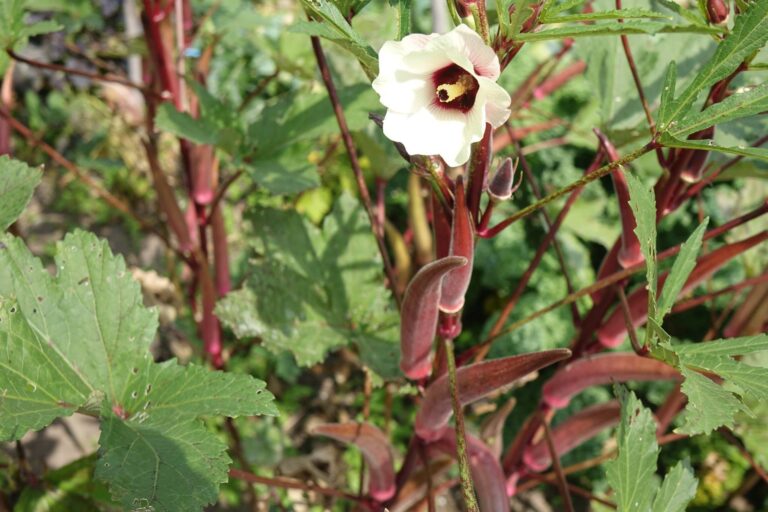
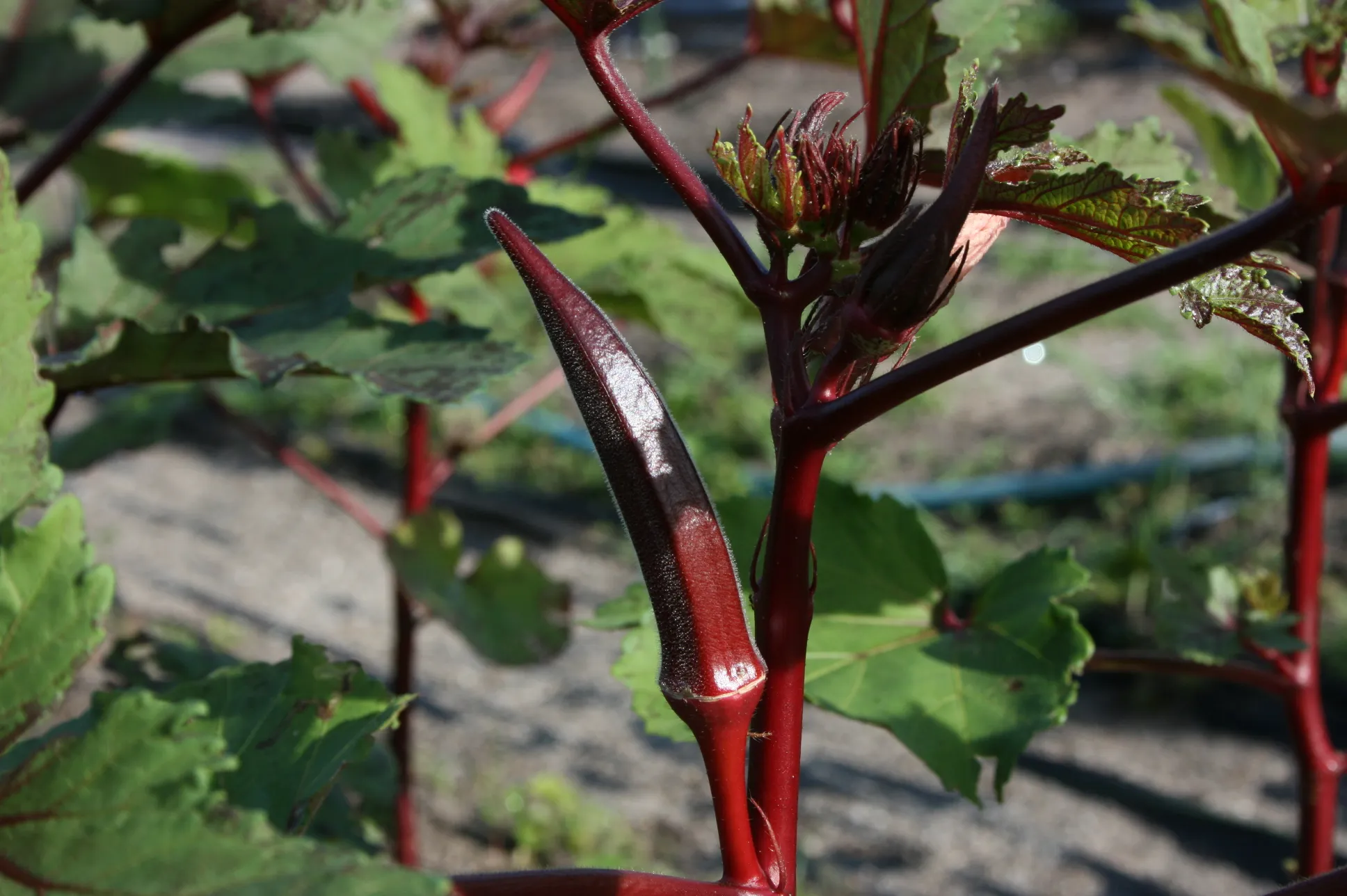
The visual performance of this hybrid changes constantly through the season. When the pods first set, they emerge in an incredibly deep, dramatic carmine red. As they lengthen and approach maturity, this intense hue softens into a delicate gradient of lighter red and blush pink.
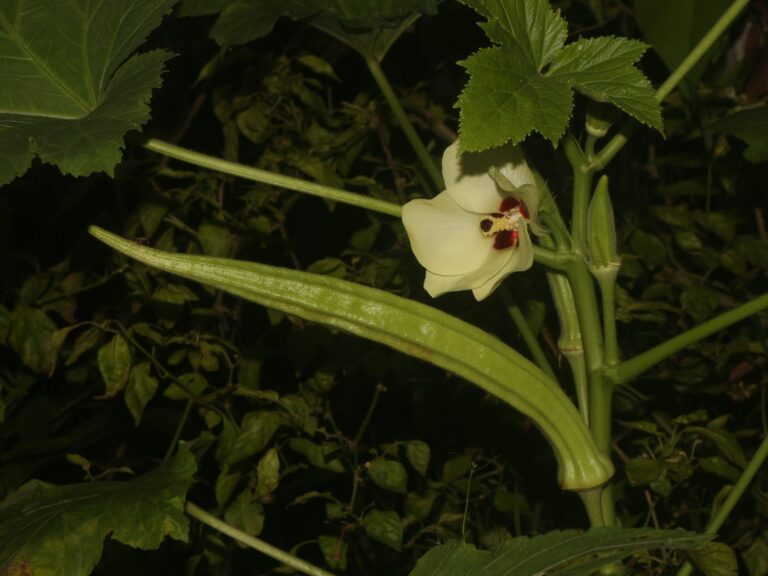
Architecturally, the fruit is a “penta-type”—stout and five-pointed with subtle, elegant ridging. Because the plants maintain strict uniformity in fruit size and shape across the entire crop, the visual impact remains clean and deliberate.
Keep in mind its behavior in the kitchen: those dramatic red pigments dissolve during cooking, causing the pods to fade to a standard light green or olive tone. To fully capitalize on its brilliant color, showcase ‘Carmine Splendor’ raw, pickled, or very lightly prepared.
Blooms, Foliage, and Rhythm
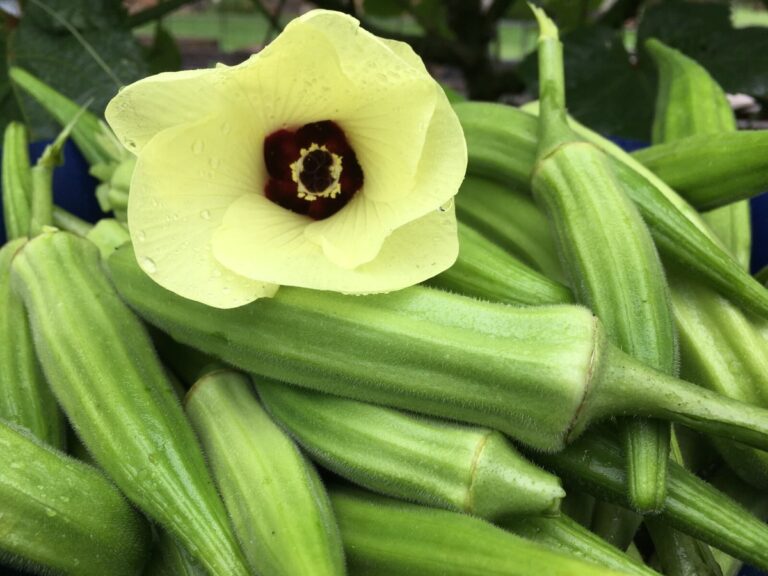
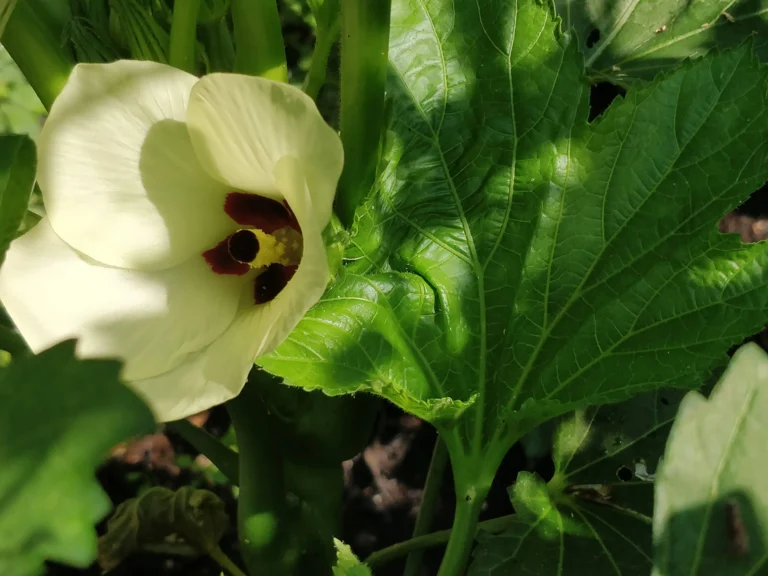
The display continues with large, hibiscus-like blossoms tinted in a subtle pink hue. These flowers carry a mild, sweet flavor profile, making them spectacular options for stuffing, battering and deep-frying, or scattering fresh across summer salads.
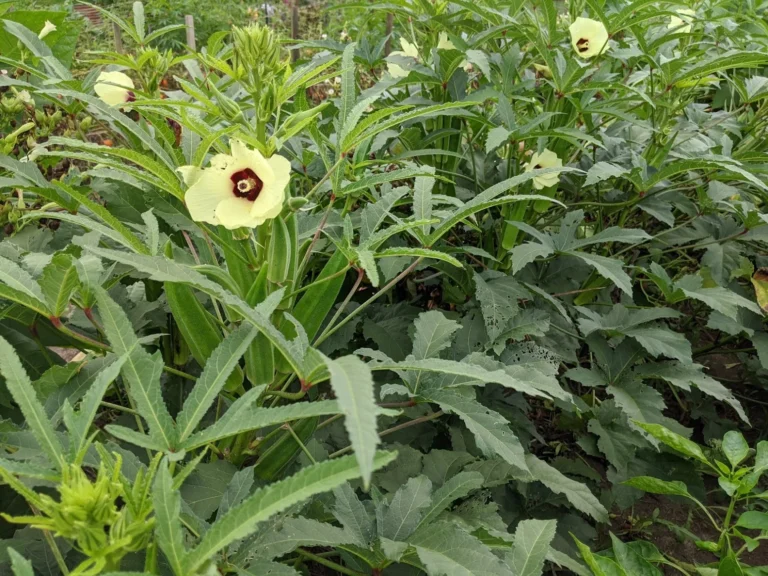
The structural backdrop is equally striking. Vigorous stalks feature deeply cut, rich green leaves contrasting sharply against stems that consistently blush with rose and deep red tones.
The plant hits its seasonal stride roughly 50 to 60 days after sowing, kicking off a cycle of recurring blooms and colorful fruit that carries the garden beautifully through mid- to late summer.
Architecture, Size, and Presence
Under full sun and warm conditions, ‘Carmine Splendor’ climbs to a mature height of 4 to 6 feet (1.2 to 1.8 meters). It maintains a controlled, upright spread of 2 to 3 feet (0.6 to 0.9 meters), allowing it to read as a powerful vertical element in mixed garden compositions.
The growth habit is notably fast and compact for a tall okra variety. Tight internodes and a naturally open canopy ensure that the vivid red pods stay fully visible and easily accessible during harvest, preventing fruits from getting lost in thick foliage.
Strategic Value in the Landscape
This hybrid thrives in dual-use spaces where aesthetics and agricultural production carry equal weight.
Design Roles
The rich contrast of deep carmine pods and soft pink blooms against deep green leaves allows this variety to excel in several specific garden roles:
- Intensive Kitchen Gardens: Perfect for high-visibility raised beds where visual design matters just as much as raw yields.
- Mixed Border Fillers: Functions beautifully as a structural “thriller” plant toward the middle or back of a perennial or annual border.
- Specialty Market Displays: Ideal for Community Supported Agriculture (CSA) baskets or farmers’ market tables, where bundling these striking red pods alongside standard green varieties commands a premium price.
Ecologies and Post-Season Utility
The large, pollen-rich blossoms serve as a major magnet for native bees and wild pollinators, driving biodiversity in your local ecosystem. Once the season wraps up, the architectural dried pods and mature seed heads provide excellent structure for fresh or dried floral arrangements. Additionally, the fully mature, dried seeds can be roasted and ground down to create a rich, completely caffeine-free coffee alternative.
Culinary Profile and Kitchen Use
- Flavor Profile: Exceptionally mild and naturally sweet, offering a tender texture when picked at the correct stage.
- Pods: Harvest at 3 to 4 inches (7 to 10 centimeters) while they are still soft and deeply pigmented. They are perfect for traditional frying, stewing, quick pickling, grilling, or thickening slow-simmered gumbos.
- Flowers: Completely edible with a delicate, slightly sweet essence. Use them raw as an upscale culinary garnish, fill them with soft cheeses, or coat them in a light batter for a crispy, deep-fried delicacy.
- Leaves: The tender young foliage can be harvested selectively to be eaten raw in green salads or cooked down like spinach.
- Seeds: Mature, late-season seeds can be collected, roasted, and processed into a custom herbal coffee substitute.
- Color Retention Strategy: Because the brilliant red tones shift to an olive-green when exposed to sustained heat, plan your presentations around raw preparation, quick blanching, or cold pickling to keep the color pop alive.
Harvest Windows and Peak Productivity
- Days to Maturity: Clocking in at approximately 51 days from transplanting to the first harvestable pod, this variety ranks as an exceptionally early producer. This rapid turnaround makes it excellent for northern gardeners with shorter summers or southern growers planning successive plantings.
- Production Longevity: Expect steady, continuous production throughout the mid-to-late summer months, provided you harvest early and often.
- Harvest Mechanics: Clip the pods cleanly from the stem using sharp shears when they measure between 3 and 4 inches long. Regular harvesting signals the plant to keep setting new flowers and prevents older pods from hardening into tough, woody fibers.
Companion Planting and Placement Strategies
While fundamental cultivation steps like soil enrichment, irrigation, and pest control are best handled by a dedicated, comprehensive okra growing manual, integrating ‘Carmine Splendor’ into a home landscape requires a designer’s eye.
- Sun Exposure: This heat-loving, structural specimen demands unfiltered, full-sun conditions to maximize both its vigor and its intense red anthocyanin pigments. Give it the hottest spot in the yard.
- Vertical Layering: Take advantage of its 4-to-6-foot height by using it as a back-of-the-border anchor in edible beds, using it to frame pathways where the detailed flowers sit at eye level, or situating it in massive containers underplanted with cascading herbs or compact lettuces.
- Sophisticated Color Pairings: Position ‘Carmine Splendor’ against the muted, silvery foliage of Mediterranean herbs like rosemary or santolina to make the red stems pop. Alternatively, interplant it directly with standard green okras to emphasize the color difference, or mass it alongside warm-toned annuals boasting copper, gold, and orange blooms for a rich, late-summer aesthetic.
Comparing the Red Okra Cultivars
The world of red-podded okras features several choices, but ‘Carmine Splendor’ carved out its own unique position as a uniform, incredibly early F1 hybrid built for the aesthetic food gardener.
| Cultivar | Type | Pod Characteristics | Distinctive Visual Features | Days to Maturity |
| ‘Carmine Splendor’ | F1 Hybrid [1] | Stout, five-pointed (penta-type), lightly ridged. | Deep carmine shifting to pink; distinctly pink-tinted edible blooms. | ~51 Days [1] |
| ‘Red Burgundy’ | Open-Pollinated Heirloom [1] | Long, slender burgundy pods. | Deep red stalks paired with classic pale-yellow blossoms. | ~55–60 Days |
| ‘Candle Fire’ | F1 Hybrid [1] | Perfectly round, smooth, non-ribbed pods. | Vibrant, bright crimson fruits with traditional coloration. | ~55 Days |
| ‘Little Lucy’ | Open-Pollinated Dwarf [1] | Short, compact red pods. | Miniature stature optimized almost exclusively for small pots. | ~55 Days |
Finding the Right Fit for Your Garden
This hybrid adapts beautifully across three primary gardening scenarios:
The Home Edible Landscape
Perfect for small-scale gardeners who refuse to sacrifice beauty for utility. Its swift 51-day maturity allows northern growers to get a reliable harvest by starting seeds early indoors and transplanting out once the soil warms.
Commercial and CSA Growers
The remarkable uniformity and heavy yields of this hybrid create highly consistent, visually stunning bunches. It provides immediate market differentiation and elevates the look of premium CSA boxes.
Public and Decorative Display Gardens
An absolute must-have plant for “food-not-lawns” styles and public educational spaces. Its structural height, exceptional flower quality, and vibrant seed pods make it an active design element rather than a hidden utility crop.
The Bottom Line: ‘Carmine Splendor’ is far more than a simple novelty color swap of standard okra. It is a meticulously bred hybrid combining rapid maturity, heavy yields of uniform five-pointed pods, and uniquely beautiful pink flowers. It serves as a dual-purpose masterwork, delivering high-end culinary production and bold architectural beauty to the modern garden.