Abelia × grandiflora ‘Gold Jewel’ (‘Abhfgold’) – Complete Growing Guide
If you’ve been hunting for that rare “unicorn” plant—one that stays small, doesn’t mind a dry summer, brings the pollinators running, and looks stunning twelve months a year—let me introduce you to your next garden obsession.
Meet ‘Gold Jewel’ Abelia. Botanically, it goes by Abelia × grandiflora ‘Gold Jewel’, though you might occasionally see it sold in nurseries under its commercial breeder code, ‘Abhfgold’.
Most gardeners are familiar with old-school glossy abelias. They are incredibly tough, dependable shrubs, but they can get a bit wild, leggy, and frankly, a little boring once they fade to green by July. ‘Gold Jewel’ completely flips the script. It is a compact, mounding powerhouse that brings electric, changing color to the landscape from the moment the first spring buds pop until the winter frost sets in.
What Exactly is ‘Gold Jewel’?
To appreciate this plant, it helps to look at its family tree. The classic glossy abelia (Abelia × grandiflora) is actually a time-tested garden hybrid, created by crossing two Chinese species: Abelia chinensis and Abelia uniflora.
Over the years, breeders have selected different variations of this hybrid, but ‘Gold Jewel’ stands out from the crowd for two major reasons: its compact, mounded habit and its sheer color stamina.
Many older yellow-leaved cultivars (like ‘Gold Spot’, which also goes by ‘Aurea’ or ‘Gold Strike’) tend to bleach out or turn a muddy, washed-out green under the intense summer sun. ‘Gold Jewel’ holds its intense gold color deep into the season. It is recognized by the Royal Horticultural Society (RHS) as a distinct, named selection, making it a reliable, top-tier performer for home landscapes.
A Four-Season Color Show
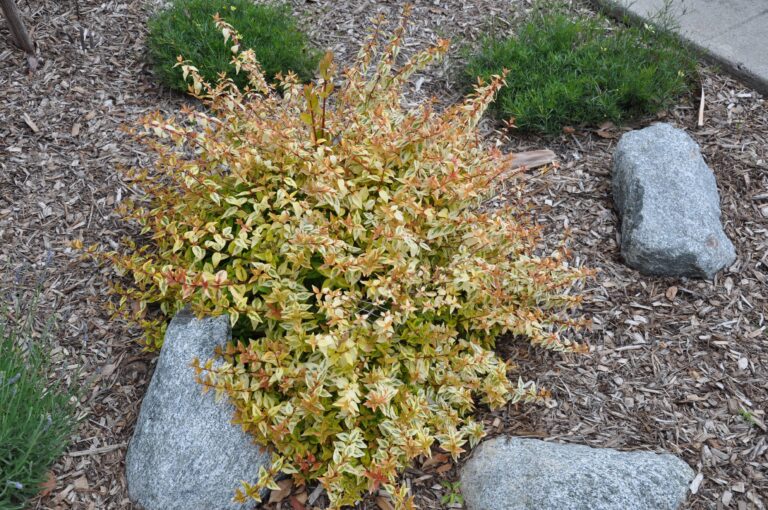
This little beauty peaks at a perfectly manageable 1.5 to 3 feet (0.5–1 meter) tall and wide at maturity, giving it a naturally neat, rounded shape that never looks overgrown. But the real selling point is what it does throughout the year:
-
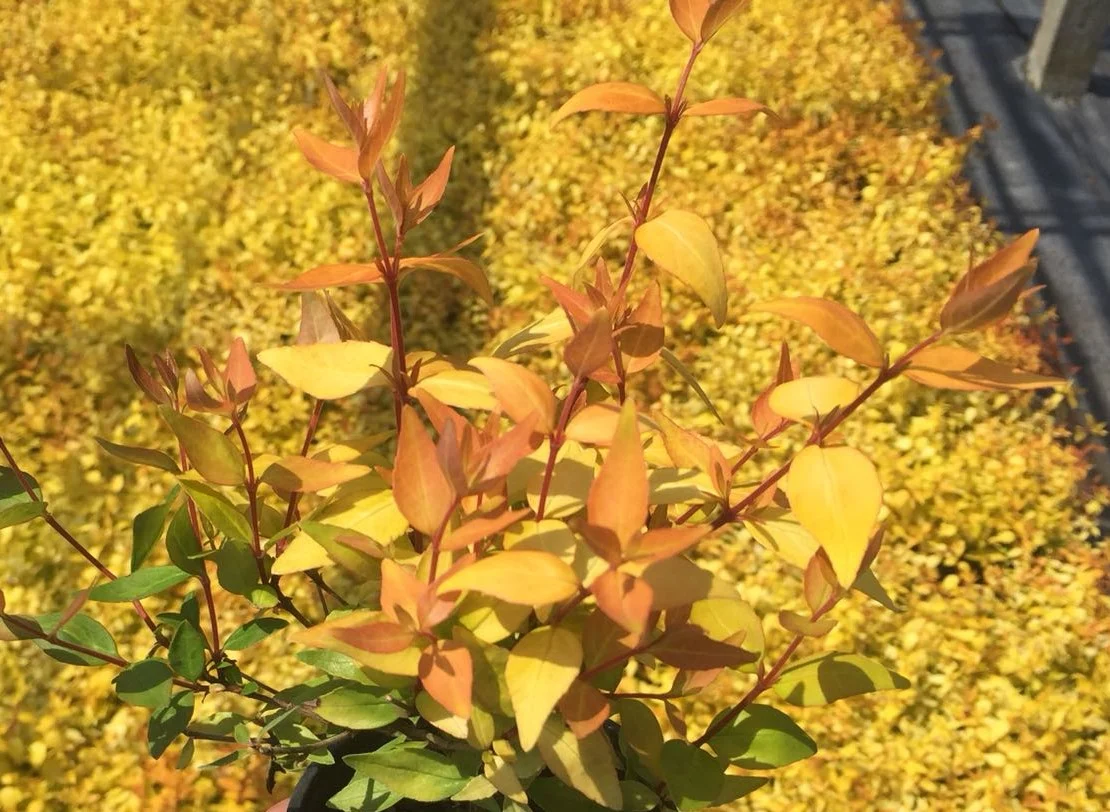
- Spring & Summer Foliage: The leaves emerge as a brilliant, glowing gold in the spring and hold that vivid brightness all through the heat of summer.
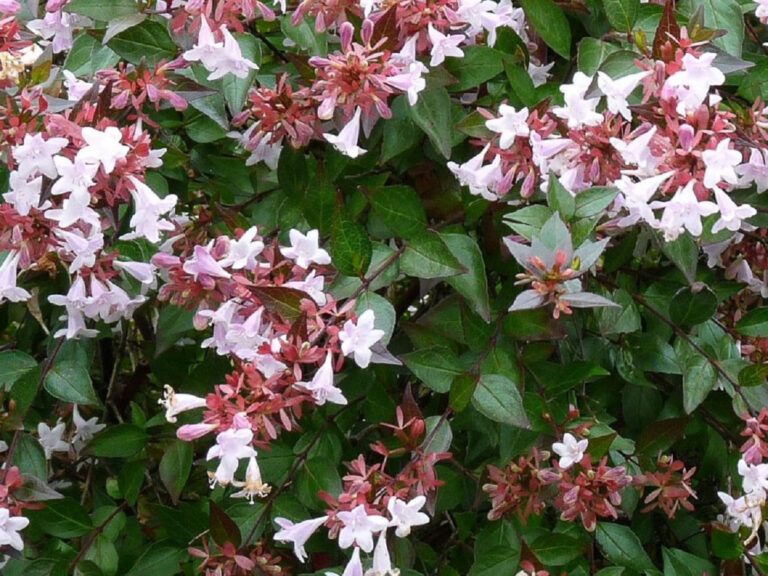
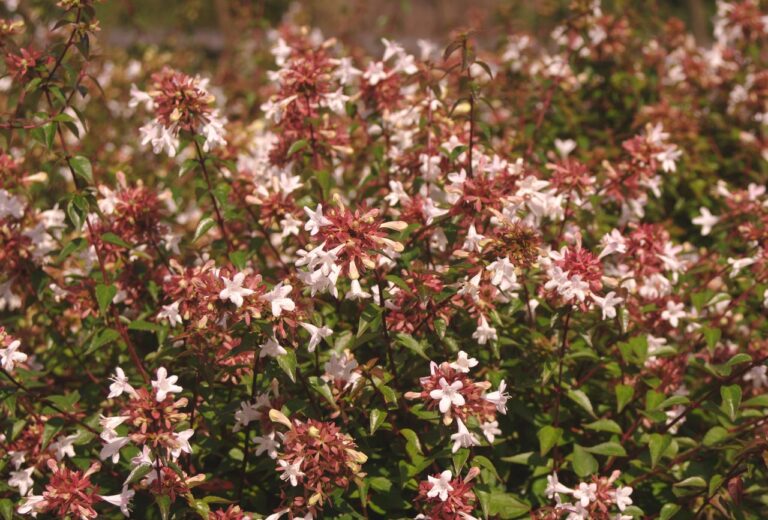
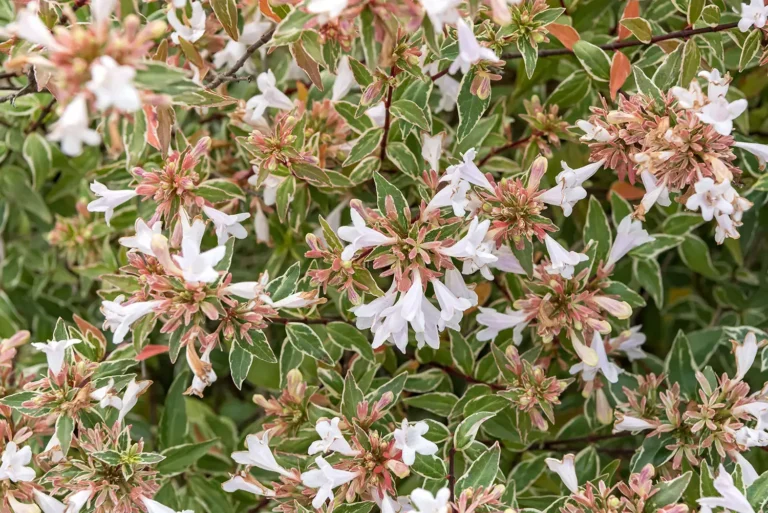
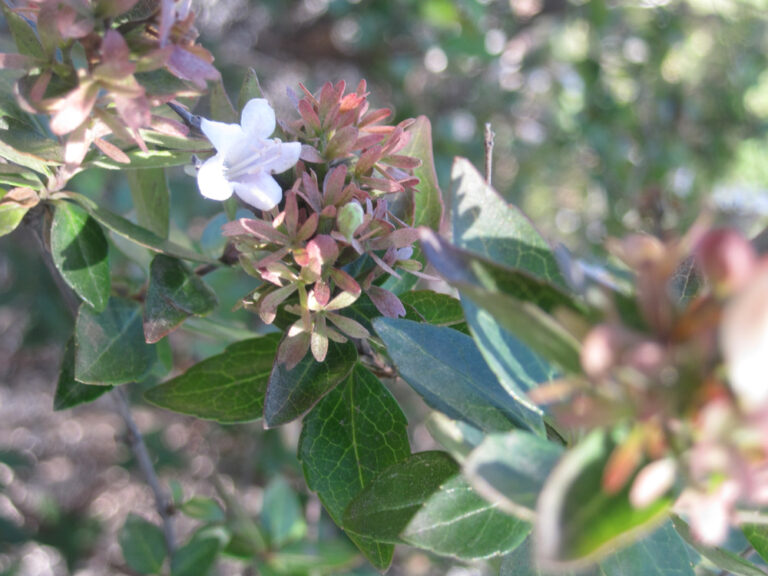
- The Big Bloom: From midsummer into mid-autumn (typically July through October), the plant covers itself in clusters of delicate, trumpet-shaped, pale pinkish-white flowers. They have a soft, clean fragrance that leaves a lovely scent trail on a warm evening.
- Fall & Winter Transition: As the nights cool down, the golden leaves transition into a rich, metallic copper-bronze.
- The Winter Bonus: The ruby-red stems and the persistent, leaf-like flower calyces hang on long after the petals fall. This gives the plant a beautiful two-tone contrast that stands out against a bleak winter backdrop.
This combination of long-lasting flowers and changing foliage makes it incredibly valuable for small yards, foundation plantings, and mixed borders where winter interest is usually hard to come by.
Hardiness and Climate: Will it Thrive in Your Yard?
Because it is a semi-evergreen shrub, its behavior changes depending on how cold your winters get.
-
- The US Zone Breakdown: ‘Gold Jewel’ is reliably hardy in USDA Zones 6 through 9.
- Evergreen vs. Deciduous: If you live in Zone 7 or warmer, it behaves as a true evergreen, keeping its vibrant leaves all winter long. If you are in a chilly Zone 6, expect it to be semi-evergreen or even deciduous. It might drop its leaves during a harsh winter, but don’t panic—those roots are tough, and the plant will bounce right back with fresh growth in the spring.
- Temperature Limits: Commercially, ‘Gold Jewel’ is rated to tolerate temperatures down to about 14°F (-10°C) without major issue, which aligns perfectly with standard UK H4 hardiness ratings. If you live in a particularly exposed, windy, or northern inland site at the colder edge of its range, give it a little extra protection by planting it in a sheltered spot, such as against a south- or west-facing wall.
Site and Soil Requirements
Sunlight
To get that intense, buttery gold foliage and maximum blooms, put it in full sun. It needs at least 6 hours of direct sunlight daily. It can handle partial shade, but the colors won’t be nearly as vibrant, and you’ll get far fewer flowers.
Soil
This plant is remarkably adaptable. It isn’t picky about soil types and will happily grow in loam, sand, or even chalky dirt, and it thrives in anything from acidic to neutral pH.
Exposure
While tough, ‘Gold Jewel’ appreciates a sheltered position if you live in a cooler climate. Tucking it away from harsh, drying winter winds will help it keep its gorgeous winter foliage looking pristine rather than wind-burned.
How to Plant ‘Gold Jewel’ Step-by-Step
When to Plant
The ideal times to plant are spring (once the risk of hard frost has passed) or early autumn. This gives the root system plenty of time to establish before the extremes of summer heat or winter freezes set in.
Planting in the Ground
-
- Prepare the Hole: Dig your planting hole 2 to 3 times wider than the shrub’s root ball, but keep it the exact same depth.
- Amend the Soil: Mix the soil you dug out with some well-rotted organic compost or leaf mold. If your soil is incredibly sandy or poor, this extra organic matter will help it hold onto just the right amount of moisture.
- Position the Shrub: Gently remove the plant from its nursery pot and set it in the hole. Make sure the top of the root ball is perfectly level with the surrounding soil line. Planting it too deep can smother the stem.
- Backfill and Firm: Fill the hole back in with your amended soil, firming it down gently with your hands to knock out any large air pockets. Water the area thoroughly to help settle the dirt.
- Mulch: Apply a 2 to 3-inch (5–7 cm) layer of organic mulch (like shredded bark or compost) around the base. Be sure to pull the mulch back a couple of inches away from the main stems to prevent moisture trapped against the bark from causing rot.
During its first growing season, make sure to water it deeply once or twice a week during dry spells to ensure a deep, resilient root system. Once established, it is remarkably drought-tolerant.
A Dream for Pots and Containers
Because it stays so beautifully compact, ‘Gold Jewel’ is an absolute home run for container gardening. If you have a sunny patio, balcony, or front porch that needs a pop of year-round color, this is your plant.
-
- Container Size: Choose a sturdy pot that is at least 12 to 16 inches (30–40 cm) in diameter for a young plant, giving it plenty of room to grow for a few years.
- Drainage is Key: Ensure the pot has ample drainage holes. You can add a layer of gravel or broken terracotta pieces to the bottom to keep water moving freely.
- The Right Mix: Use a high-quality, loam-based or multi-purpose potting soil, and mix in a little perlite or coarse grit to maximize drainage.
- Watering Routine: Container plants dry out much faster than plants in the ground. Check the moisture regularly during the summer. When the top inch or two of soil feels dry to the touch, give it a deep drink.
- Feeding: Toss in a balanced, slow-release fertilizer in early spring. Because frequent watering leaches nutrients out of pots, you can also give it a light liquid feeding every 2 to 4 weeks during the peak growing season to keep it pushed to its full potential.
- Winter Protection: If you live in a colder Zone 6 area, container roots are more vulnerable to freezing than roots in the ground. Move the pot to a sheltered, frost-protected spot—like an unheated garage, a cold frame, or snugly against a house wall—and wrap the pot in burlap or bubble wrap if a severe freeze is on the way.
Plan to repot the shrub every 2 to 3 years to refresh the potting soil and prevent it from becoming root-bound.
Ongoing Care and Maintenance
Watering
Feeding
If you have decent garden soil, ‘Gold Jewel’ doesn’t need much food at all. A single application of a balanced shrub fertilizer or a fresh top-dressing of organic compost in early spring is all it takes.
Mulching
Replenish that 2 to 3-inch layer of mulch every spring. It works wonders for conserving soil moisture, regulating root temperatures during scorching summer days, and naturally feeding the soil as it breaks down.
Pruning Made Simple
When to Prune
The absolute best time to tidy it up is late winter or very early spring (around February to April), just as the worst of the freezing weather passes but before the plant starts pushing out vigorous new leaves.
How to Do It
-
- Routine Maintenance: Start by snipping away any dead, damaged, or awkwardly crossing branches right at the base of the plant to open up airflow. Then, give the rest of the shrub a light haircut—trimming the flowered shoots back by about a third—to encourage a denser, bushier, more compact habit.
- Rejuvenation: If an old plant ever becomes overgrown or a bit leggy, you can cut up to one-third of the oldest, woodiest stems down near ground level in late winter. Repeat this process over 2 to 3 years to completely renew the shrub. A severe, total “cut-to-the-ground” renovation is technically possible, but it means you’ll sacrifice an entire season of flowers, and with a naturally compact cultivar like this, it’s rarely ever necessary.
How to Propagate Your Abelia
Softwood Cuttings
-
- Cut 2.5 to 4-inch (6–10 cm) shoots right below a leaf node.
- Snipping off the lower leaves, dip the cut end in a little rooting hormone, and insert it into a moist, well-draining propagation mix (like a blend of peat and perlite).
- Keep the cuttings covered with a clear plastic bag or placed in a propagator dome in bright, indirect light. They will usually strike roots in 2 to 4 weeks.
Semi-Ripe Cuttings
Layering
You can also try simple layering in the spring. Find a flexible, low-growing branch that easily reaches the ground. Nick the bark slightly on the underside, pin that section into the soil, and cover it with dirt while leaving the tip of the branch exposed. By the following spring, it will have developed its own root system, allowing you to snip it away from the parent plant and move it to its new home.
Pests and Diseases: Low-Drama Gardening
‘Gold Jewel’ is remarkably bulletproof and is rarely bothered by major issues, but there are a couple of things to keep an eye on:
-
- Honey Fungus (Armillaria): Abelias can be susceptible to honey fungus, a aggressive, soil-borne pathogen that attacks the root systems of woody plants. The best defense is a good offense: never plant your abelia in a site with a known history of honey fungus, and ensure your soil drains beautifully, as waterlogged roots are far more vulnerable.
- Aphids: Like almost any garden shrub, a flock of aphids might occasionally show up on the tender new spring growth, causing a little leaf curling or leaving behind a sticky residue (honeydew). You can easily manage them with a sharp blast of water from the garden hose, by welcoming natural predators like ladybugs, or by using a targeted insecticidal soap.
- General Resilience: For the most part, nurseries and master gardeners rate glossy abelia cultivars as exceptionally clean plants that require zero heavy chemical interventions under normal garden conditions.
Designing with ‘Gold Jewel’ in the Landscape
-
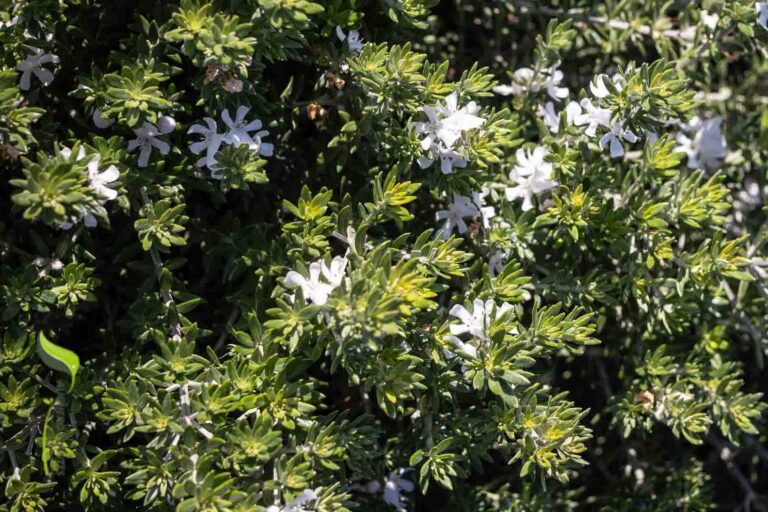
- The Front of the Border: Plant it right in front of deep green, structural evergreens (like boxwoods, hollies, or hebes) to make that gold color absolutely pop.
- Small Yards and Courtyards: Its neat footprint means it won’t crowd out a patio or small suburban garden patch.
- Low Informal Hedges: Line a walkway, driveway, or garden path with a row of them for a soft, colorful, low-maintenance boundary.
- The Pollinator Magnet: Because it blooms so late into the autumn when many other shrubs have completely finished, its nectar-rich flowers are an absolute lifeline for local bumblebees, butterflies, and hummingbirds.
Companion Planting Tip: To maximize the visual drama, pair ‘Gold Jewel’ with plants that offer contrasting textures and colors. It looks stunning alongside deep purple salvias and penstemons, or the cool, silvery foliage of lavender and santolina.
How ‘Gold Jewel’ Compares to Other Varieties
| Feature | ‘Gold Jewel’ (‘Abhfgold’) | ‘Gold Spot’ (‘Aurea’ / ‘Gold Strike’) |
|---|---|---|
| Size & Habit | Compact & mounding; maxes out around 1.5–3 ft. Perfect for small spaces. | Large & arching; reaches 5–8 ft tall. Can get loose and leggy. |
| Foliage Stamina | Holds its bright, intense gold all summer; turns rich copper-bronze in winter. | Starts gold in spring but fades to yellow-green or solid mid-green by August. |
| Best Landscape Use | Containers, patios, front-of-the-border, low edging. | Large privacy screens, back-of-the-border fillers. |