
The Ultimate Guide to Deuterocohnia: Growing the Tough, Sculptural Cushion Bromeliads (Abromeitiella)
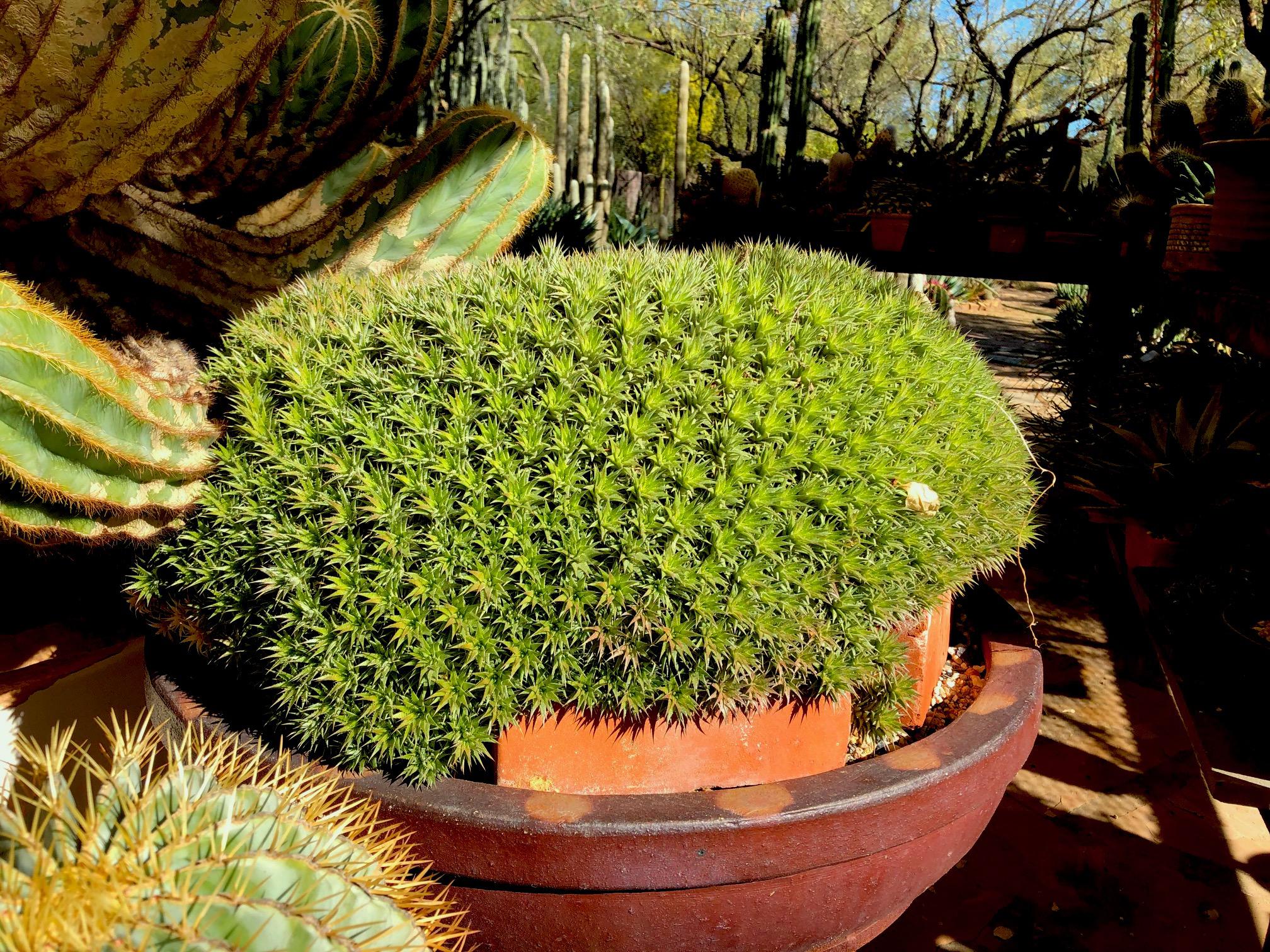
If you have ever marvelled at a plant that looks like a cross between a primitive sea coral and a spiky desert succulent, you have likely encountered the fascinating world of Deuterocohnia. Long known in the nursery trade by their former botanical name, Abromeitiella, these diminutive powerhouses are among the most architecturally striking bromeliads on the planet. They defy the classic tropical stereotype of their family, trading flashy, water-holding central cups for tough, tightly packed mounds of silver-green foliage.
For rock gardeners, container enthusiasts, and xeriscape designers looking to add dramatic texture and geometric perfection to their collections, these low-maintenance wonders are virtually unmatched. They offer exceptional drought tolerance, surprising cold hardiness, and bizarre, stemless flowers that nestle directly inside the rosettes. This comprehensive guide uncovers everything you need to know to successfully grow and propagate these living sculptures.
Botanical Background
The nomenclature of these plants has a rich history. German botanist Carl Christian Mez first established the genus Abromeitiella in 1927, naming it to honour his colleague Johannes Abromeit. For decades, these plants sat in their own distinct category, separated from Deuterocohnia by their miniature size, dense cushioning habit, and sessile flowers that emerge without an intermediate stalk.
However, modern science eventually caught up with tradition. Extensive morphological and DNA sequencing studies conducted since the 1990s revealed that these defining traits actually fall right within the natural genetic variation of Deuterocohnia. Thanks to pivotal taxonomic work by Spencer & Smith (1992) and Schütz (2013), Abromeitiella was formally synonymised under Deuterocohnia. Today, major botanical institutions—including the Royal Horticultural Society (RHS), Kew’s Plants of the World Online (POWO), and international bromeliad societies—recognise this change. Yet, because old habits die hard, you will still frequently find them labeled as Abromeitiella in nurseries and online collector shops.
Belonging to the Bromeliaceae family and the Pitcairnioideae subfamily, the Deuterocohnia genus comprises roughly 17 species. These terrestrial and lithophytic (rock-dwelling) bromeliads hail from the rugged Andes of South America, concentrated heavily in southern Bolivia and northern Argentina. The species formerly classified as Abromeitiella are true alpine survivors, custom-evolved to handle the intense, unfiltered sun, plunging night-time temperatures, and sharply drained mineral soils of high-elevation Puna ecosystems.
Best Abromeitiella (Deuterocohnia) Varieties for Gardens
Deuterocohnia brevifolia (syn. Abromeitiella brevifolia) – Master Species
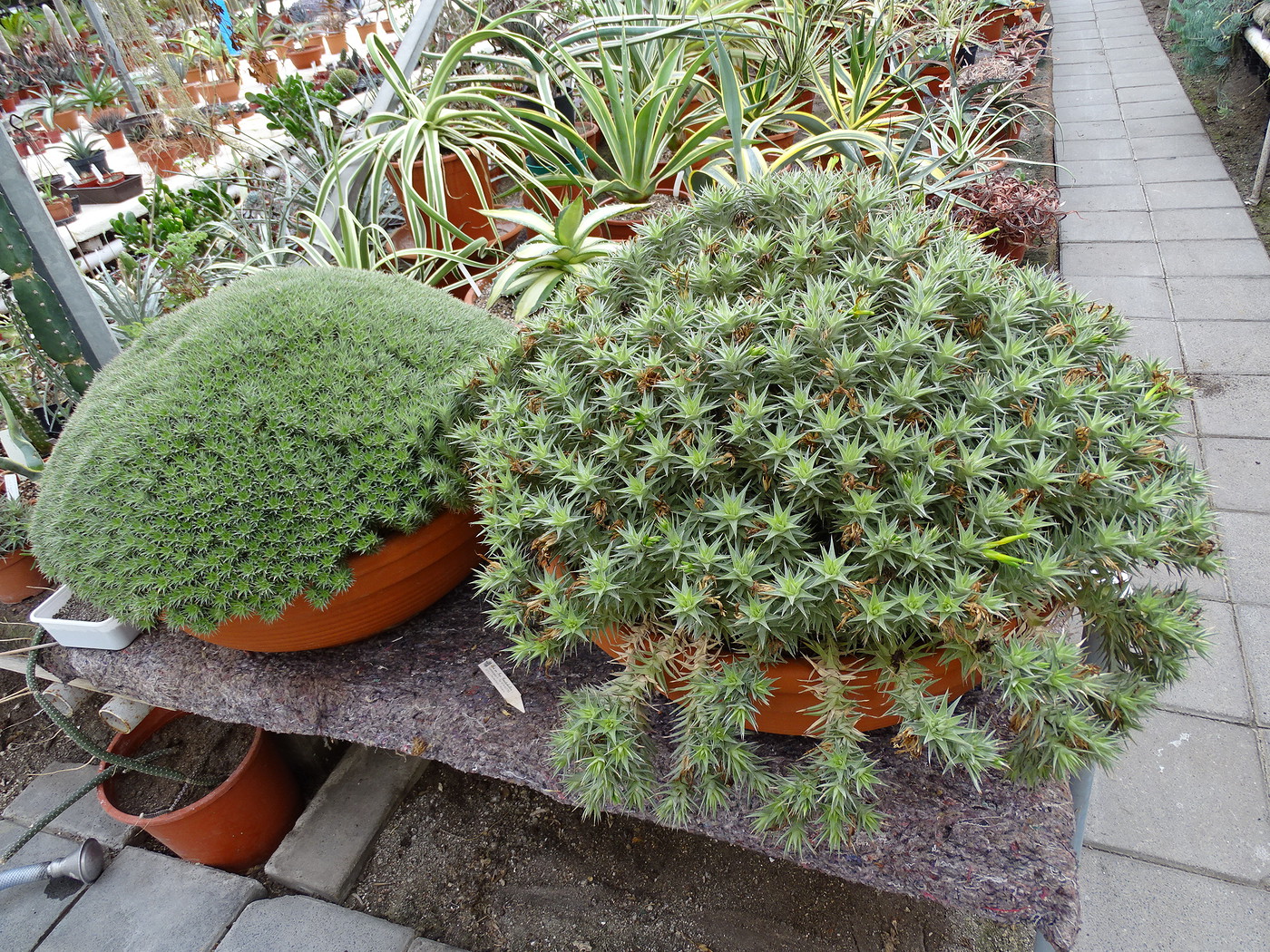
This is the quintessential cushion bromeliad and the benchmark for the entire group. Deuterocohnia brevifolia constructs magnificent, low-slung domes that stand 6 to 12 inches tall and can eventually spread up to 3 feet wide. Its structural rosettes are made of triangular, silver-green leaves tipped with sharp terminal points and lined with minute marginal spines. When summer arrives, the mound punctuates its metallic foliage with small, tubular, emerald-green flowers that sit completely stalkless within the heart of the rosettes. It remains the most widely available variety, working beautifully as an ornamental accent in rockeries, specialized containers, and drought-tolerant groundcover matrices.
Deuterocohnia lotteae (syn. Abromeitiella lotteae) – Red-Flowered Cushion
If you love the compact geometry of D. brevifolia but crave a splash of contrasting color, Deuterocohnia lotteae is a stellar choice. This Bolivian native builds similarly tight, coral-like mounds of spiny, succulent rosettes. However, it distinguishes itself dramatically during its blooming cycle, trading green petals for striking red or purplish flowers tipped in subtle green. Documented across major horticultural databases like NParks and the RHS, this species is highly sought after by specialty nurseries for its unique floral display.
Deuterocohnia lorentziana / D. abstrusa (syn. Abromeitiella lorentziana, A. abstrusa) – Silver, Sun-Tolerant Mound
For growers facing harsh, baking light, this taxon offers superior sun tolerance and a chunkier, more dramatic silhouette. It features larger, noticeably brighter silver foliage than its cousins, and over time, it develops taller, mounding colonies that can even form small, trunk-like structures. Authoritative growers differentiate it clearly by its robust size, pale color, and rugged cultural stamina. While recent taxonomic revisions suggest that the name Deuterocohnia abstrusa may technically hold botanical priority over lorentziana, you will find both names circulating in the trade. It is highly valued for adding strong architectural focal points to full-sun installations.
Deuterocohnia scapigera (syn. Abromeitiella scapigera) – Less Compact, Distinct Inflorescence
Breaking away from the ultra-dense cushion form, Deuterocohnia scapigera exhibits a looser, more open growth habit. It is distinguished by a unique inflorescence structure that confirms its distinct phylogenetic placement within the genus. Because it lacks the uniform carpet-like aesthetic of its peers, it is far less common in commercial garden centers. However, its unique botanical status makes it an essential standalone profile for serious collectors, specialized institutions, and botanical gardens.
Rare Forms & Collector Varieties
The world of Andean bromeliads still holds plenty of mysteries. Various unnamed Abromeitiella species and rare wild ecotypes exist at the fringes of the hobby. Because these plants have an incredibly minimal consumer presence, lack documented garden performance data, and are rarely found for sale, they are best treated as a single collective group of collector items to prevent fragmented, thin information.
Growing Conditions
Climate and Hardiness
Do not let their delicate, jewel-like appearance fool you. These are among the most cold-tolerant bromeliads in cultivation. When kept bone-dry, mature specimens can successfully withstand brief temperature drops down to 20–25°F (-7 to -4°C), making them perfectly suited for USDA hardiness zones 9b through 11 (or RHS hardiness ratings H2 to H3). They naturally thrive in Mediterranean, desert, and mild temperate regions, but they absolutely must be shielded from prolonged, deep freezes and waterlogged winter soil.
Sun and Shade
To maintain their signature tight, compact forms, these bromeliads require a position in full sun to light shade. If you are gardening in an area with extreme, blistering desert heat, provide bright morning sunlight followed by dappled afternoon shade to prevent the leaves from scorching. Conversely, keeping them in too much shade is a recipe for failure; insufficient light causes the rosettes to stretch, turn leggy, and refuse to bloom.
Soil, pH, and Drainage
In the wild, these plants cling to sheer rock faces and scree slopes, meaning their root systems will rot quickly in standard potting soil. They demand a highly porous, mineral-heavy substrate that mimics alpine Andean habitats. A flawless mix can be made by taking a commercial cactus and succulent soil and amending it with 50% to 70% coarse sand, pumice, perlite, or fine decomposed granite. Organic material should be strictly limited to just 20% or 30% of the total volume. Aim for a neutral to slightly acidic soil pH between 6.0 and 7.0. Flawless, rapid drainage is completely non-negotiable.
Planting
When to Plant
The ideal time to plant or repot is during the spring or early summer. Planting during this active growing window gives the root system plenty of time to anchor into its new home before the arrival of chilly winter weather.
Site Selection and Spacing
Look for positions that maximize sun exposure and natural drainage. Rock gardens, raised beds, sharply sloping hillsides, and specialized container displays are all perfect choices. When planting multiple specimens in the ground, space them 12 to 18 inches apart. This gives the individual mounds plenty of room to expand and fuse into a seamless, undulating carpet without overcrowding one another.
Soil Preparation
If your native garden soil is heavy with clay, you must heavily amend the area with coarse sand, gravel, and pumice. Building raised berms or dedicated rock crevices is highly recommended to keep water moving away from the crowns. For container culture, choose pots with ample drainage holes and fill them exclusively with a gritty, free-draining succulent mix.
Containers vs. Ground
Growing in containers gives you total control over moisture levels and allows you to easily move the plants indoors if a winter freeze threatens. Unglazed terracotta or clay pots are ideal because their breathable walls allow excess moisture to evaporate quickly. In-ground planting, on the other hand, creates stunning, permanent features in rockeries and xeriscapes, provided you live in a mild or frost-free climate.
Care Through the Seasons
Watering Rules
- Establishment: During their very first growing season, provide moderate water to keep the root system active, but always let the soil dry out substantially between applications.
- Long-term: Once established, adopt a strict “soak and dry” method. Soak the root zone deeply, then allow the top 3 to 5 cm of soil to dry out completely before you even think about watering again.
- Seasonal adjustment: In the heat of summer, you may need to water every 7 to 14 days. As autumn brings cool, overcast weather, scale back to once every 2 to 4 weeks. In the winter, keep the plants almost completely dry.
- Method: Always apply water directly to the soil at the base of the plant. Avoid getting water trapped in the dense foliage during cold weather, as stagnant moisture will quickly trigger crown rot.
Feeding
These plants are adapted to nutrient-poor soils, so heavy feeding will ruin their compact, architectural shapes. Apply a balanced, water-soluble fertilizer diluted to one-quarter strength just once a month during spring and summer. Erratic, minimalist fertilization is always safer than overfeeding.
Mulching
Ditch the bark and woodchips. Instead, top-dress your plants with an inorganic mulch like clean gravel, pea stone, or crushed river rock. This keeps the base of the rosettes away from damp soil, prevents crown rot, improves drainage, and beautifully reflects light and heat back up into the plant.
Pruning
These neat growers require virtually no regular pruning. Simply use a pair of long-reach tweezers or small snips to clear away occasional dead or damaged outer leaves. Overcrowded or misshapen clumps can be divided in the spring to rejuvenate the form.
Propagation
Recommended Methods
- Division: Carefully detaching individual rosettes or small clusters from the main mound in spring or summer is the fastest and most reliable route to success.
- Seed: Sowing seed at a steady temperature of 25°C (77°F) in the spring is fully viable, though it is a slow process best suited for patient collectors and botanists.
- Offsets: Mature clumps naturally produce “pups” or offsets around their perimeter, which can be cleanly separated and pushed directly into a gritty rooting mix.
Practical Tips
Always use sterilized tools and a fresh, highly porous propagation mix. Keep the newly divided offsets only lightly moist until they develop a functional root system, after which you can gradually transition them to standard mature plant care.
Pests and Diseases
Common Issues
- Root and crown rot: This is the primary enemy of Deuterocohnia, almost always caused by heavy handed watering or compacted soil. Prevention through gritty substrates and careful base-watering is key.
- Leaf scorch: While tough, intense afternoon sun in scorching, low-desert climates can occasionally bleach the foliage. Simply provide light afternoon shade to correct this.
- Pests: Thanks to their tough, leathery skin, these plants are remarkably pest-resistant. If scale insects or mealybugs do manage to hide in the tight rosettes, they can be manually dabbed away or treated with a light application of horticultural oil.
Integrated Management
The best defense is a good offense: optimize your drainage, dial back your watering schedule, and ensure excellent air circulation around the mounds. If a pest outbreak occurs, spot-treat the area with organic neem oil or insecticidal soap.
Design and Uses in the Garden
Landscape Roles
- Rock gardens and crevices: Their tight, mounding geometry makes them flawless choices for tucking into sunny stone pockets and alpine crevices.
- Containers and patios: They look spectacular in shallow stone troughs, unglazed pots, and mixed succulent arrangements where their fine texture can be appreciated up close.
- Xeriscape groundcover: Use them to form low-water, high-contrast borders and architectural groundcover panels that look immaculate 365 days a year.
Wildlife Value
The unusual, tube-like blossoms provide a valuable food source for small, specialized pollinators, while the spiny, rigid leaves act as a natural deterrent against browsing deer and rabbits.
Companion Planting
To create stunning textural contrasts, pair your Deuterocohnia with complementary succulents like architectural Agave, chalky Dudleya, and geometric Echeveria. They also look fantastic alongside low-growing alpine plants and tough, drought-tolerant perennials such as hardy Sedum and Delosperma (Ice Plant).
Common Problems and Troubleshooting
- Poor flowering: If your mound looks healthy but refuses to produce its sessile summer blooms, it is almost certainly a sign of low light. Gradually transition the container or plant to a much brighter, sunnier location.
- Leggy growth: Rosettes that lose their tight, compressed dome shape and begin stretching outward are starved for sun or getting too much water. Increase their sun exposure and cut back sharply on watering.
- Dieback or mushy leaves: Yellowing, collapsing rosettes indicate that root rot or crown rot has set in due to overwatering. Immediately improve the drainage, halt all watering, and surgically excise any soft, mushy tissues before the rot spreads to the rest of the mound.
- Leaf scorch: If bleaching or brown burn spots appear during extreme heatwaves, provide temporary afternoon shade cloths or move containers out of the direct blast of the late-day sun.
FAQs
Q: Is Abromeitiella the correct botanical name?
A: No, it is technically outdated. The universally accepted botanical name is now Deuterocohnia, though the moniker “Abromeitiella” remains deeply embedded in the nursery trade and hobbyist circles.
Q: How much cold can these plants actually take?
A: If their soil is kept completely dry, they can safely tolerate short freezes down to 20–25°F (-7 to -4°C), making them viable for year-round outdoor culture in USDA zones 9b–11.
Q: Do they require high ambient humidity?
A: Not at all. They prefer dry air and arid conditions. In fact, combining high humidity with stagnant, poor airflow is a quick way to cause fungal rot.
Q: What is the golden rule for watering?
A: Water deeply but very infrequently. You must allow the entire potting medium or root zone to dry out completely before introducing any fresh moisture, and keep them nearly dry all winter long.
Q: Can I grow them successfully as indoor houseplants?
A: Yes, provided you can give them a prime spot on a sunny windowsill that receives at least 6 to 8 hours of direct sunlight daily. Pair this with a super-gritty mix and disciplined watering.
Q: Are these spiky mounds toxic to domestic pets?
A: They carry no known chemical toxicity to dogs or cats. However, their stiff, spiny leaf tips can cause physical discomfort or irritation if handled roughly or chewed on.
Q: What is the easiest way to propagate my clump?
A: Spring or summer division is by far the most reliable route. Carefully pry or cut an offset away from the parent mound and settle it into a fresh, sandy potting mix.
Q: Why are the leaves on my mound turning yellow?
A: This is almost always a classic distress signal for overwatering or a suffocating, poorly drained soil mix. Immediately check the drainage holes, let the substrate dry out, and switch to a grittier mix if necessary.
Medical Disclaimer: The information provided in this article regarding plant toxicity and physical irritation is for general educational purposes only. Always consult a qualified professional or veterinarian if you suspect a pet or individual has ingested an unfamiliar plant or suffered a severe physical injury from garden flora.