Growing Acalypha: How to Cultivate Copperleaf and Chenille Plants
Few genera inject the raw, electric energy of the tropics into a landscape quite like Acalypha. Grown either for the kaleidoscopic, molten foliage of the copperleaf or the bizarre, plush crimson tassels of the chenille plant, these showstoppers command attention wherever they are planted. In frost-free climates, they mature into muscular shrubs and striking structural hedges; in cooler regions like the UK, they are the ultimate summer patio luxury, dynamic bedding annuals, or luminous conservatory features.
The brilliance of Acalypha lies in its sheer speed and reliability, delivering high-impact drama the moment the summer heat kicks in. Copperleaf erupts in a tireless display of bronzed, pink-splashed, and cream-edged foliage from spring until the first autumn frost. Meanwhile, the chenille plant unfurls its surreal, velvety crimson catkins continuously, provided it receives ample warmth, moisture, and heavy feeding.
For gardeners outside the tropics, success hinges on a straightforward seasonal rhythm: let them bake outdoors during the balmy summer months, then retreat them to bright indoor sanctuaries before the autumn chill sets in. While these exotic shrubs can remain in the ground year-round across USDA Zones 10–11, container culture is the smartest strategy for everyone else, making seasonal migration effortless.
Botanical Background
Belonging to the spurge family (Euphorbiaceae), Acalypha is a sprawling genus encompassing roughly 470 species distributed generously across the globe’s tropical and subtropical zones. The genus takes many forms—ranging from understated herbs to substantial shrubs and small trees—all bound by simple leaves and microscopic flowers tightly packed into catkin-like spikes or racemes. In some species, these floral structures transform into highly ornamental, velvety spectacles; in others, the flowers take a back seat to breathtakingly vivid foliage.
Navigating the botanical nomenclature can occasionally trip up gardeners, as several popular cultivars have shifted names over the years. Most notably, the beloved copperleaf, Acalypha wilkesiana, is frequently catalogued as Acalypha amentacea subsp. wilkesiana or Acalypha tricolor. On nursery benches, you will find it under a handful of evocative common names, including Jacob’s coat, copperleaf, or beefsteak plant.
Best Acalypha Varieties for Gardens
To design effectively with Acalypha, it helps to divide the most commercially available choices into three distinct functional groups: the flower-forward chenille types, the foliage-driven copperleaf cultivars, and a handful of exquisite collector forms.
Acalypha hispida
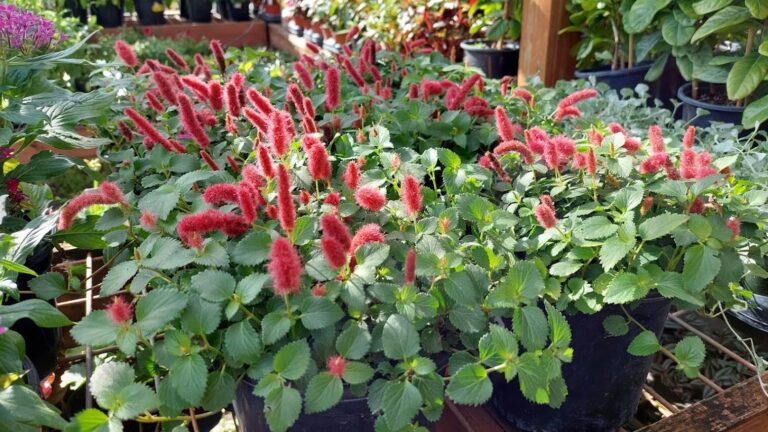
Commonly known as the chenille plant or red-hot cat’s tail, Acalypha hispida is an upright, evergreen shrub that easily reaches 1.5–1.8 metres in warm habitats, though container-grown specimens can easily be maintained at a fraction of that size. Its calling card is the long, pendulous, electric-red female flower spikes that drape from the branches like plush tassels throughout the active growing season. For a comprehensive deep-dive into this specific species, its history, and its unique visual variants, explore our dedicated Acalypha hispida ‘Mini Red’ and Species Profile Guide to maximize its design impact.
This species demands full sun to light, dappled shade and thrives in a rich, humus-dense, consistently moist but perfectly drained soil. For UK growers, it behaves as a strictly tender exotic. It welcomes a summer vacation on a sun-drenched patio but requires a swift retreat under glass or indoors the moment overnight temperatures turn crisp. Use it as a commanding specimen in a large glazed pot, a focal point in exotic summer bedding schemes, or a permanent resident of a bright conservatory. Regular deadheading and a sharp spring pruning keep its silhouette compact and stimulate a non-stop supply of fresh flower tassels.
Acalypha pendula
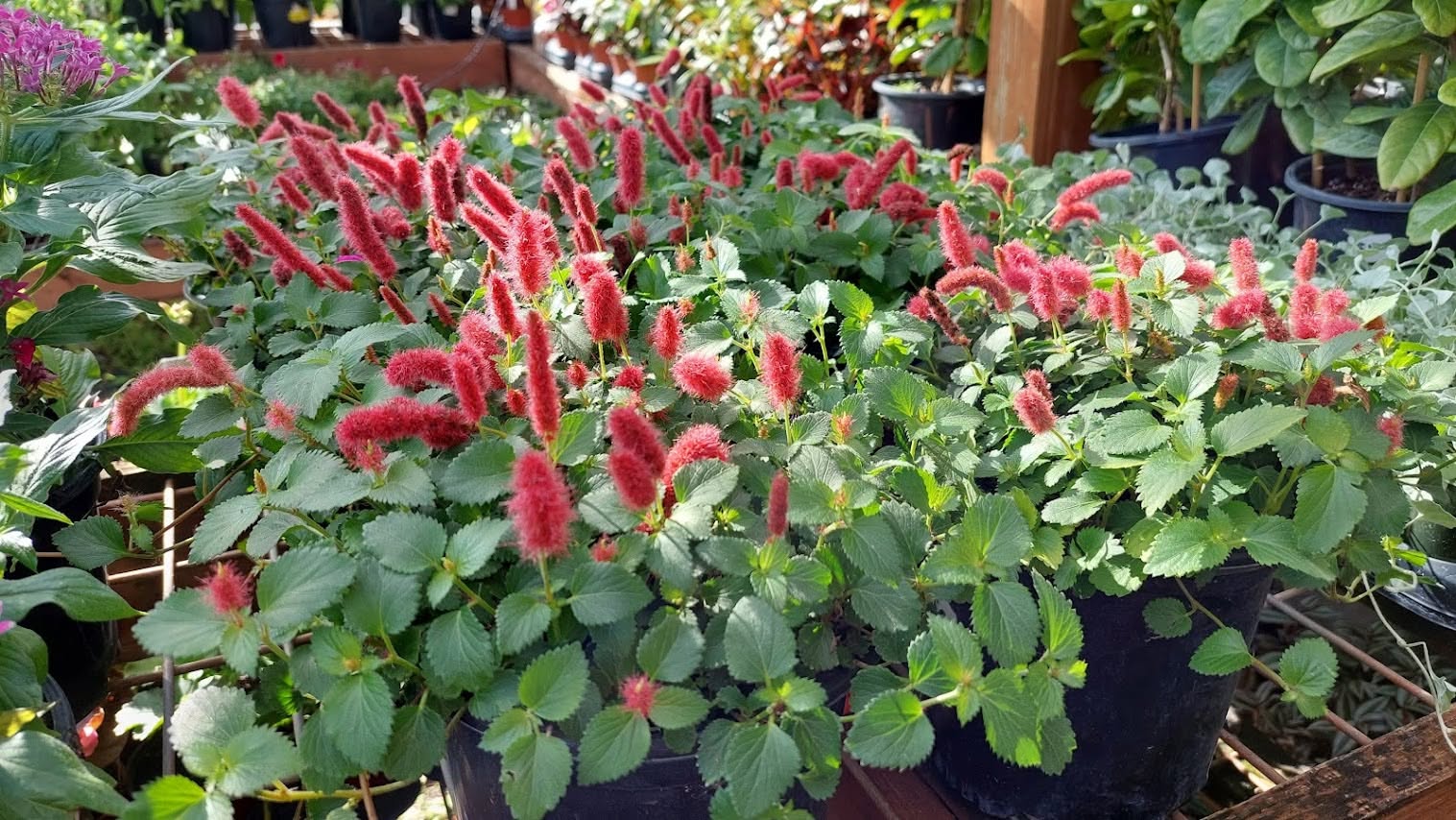
Often traded under the names firetail or trailing chenille plant, Acalypha pendula offers a completely different, prostrate growth habit compared to its upright cousin. This diminutive species weaves a dense, tight mat of green foliage just 8–13 cm tall, spreading outwards to cover roughly 38–46 cm, punctuated by abbreviated, intensely vivid red flower spikes.
This cascading habit makes it an invaluable asset for softening the rims of hanging baskets, window boxes, and elevated containers, or for serving as a short-lived, tropical-style groundcover. Gardeners select this plant primarily for its fluid, weeping form and its relentless production of rich red colour. Provide it with abundant warmth, bright light, and an evenly moist, free-draining compost. If the trailing stems begin to look sparse or overly leggy, simply pinch back the tips to maintain a lush, full display.
Acalypha wilkesiana
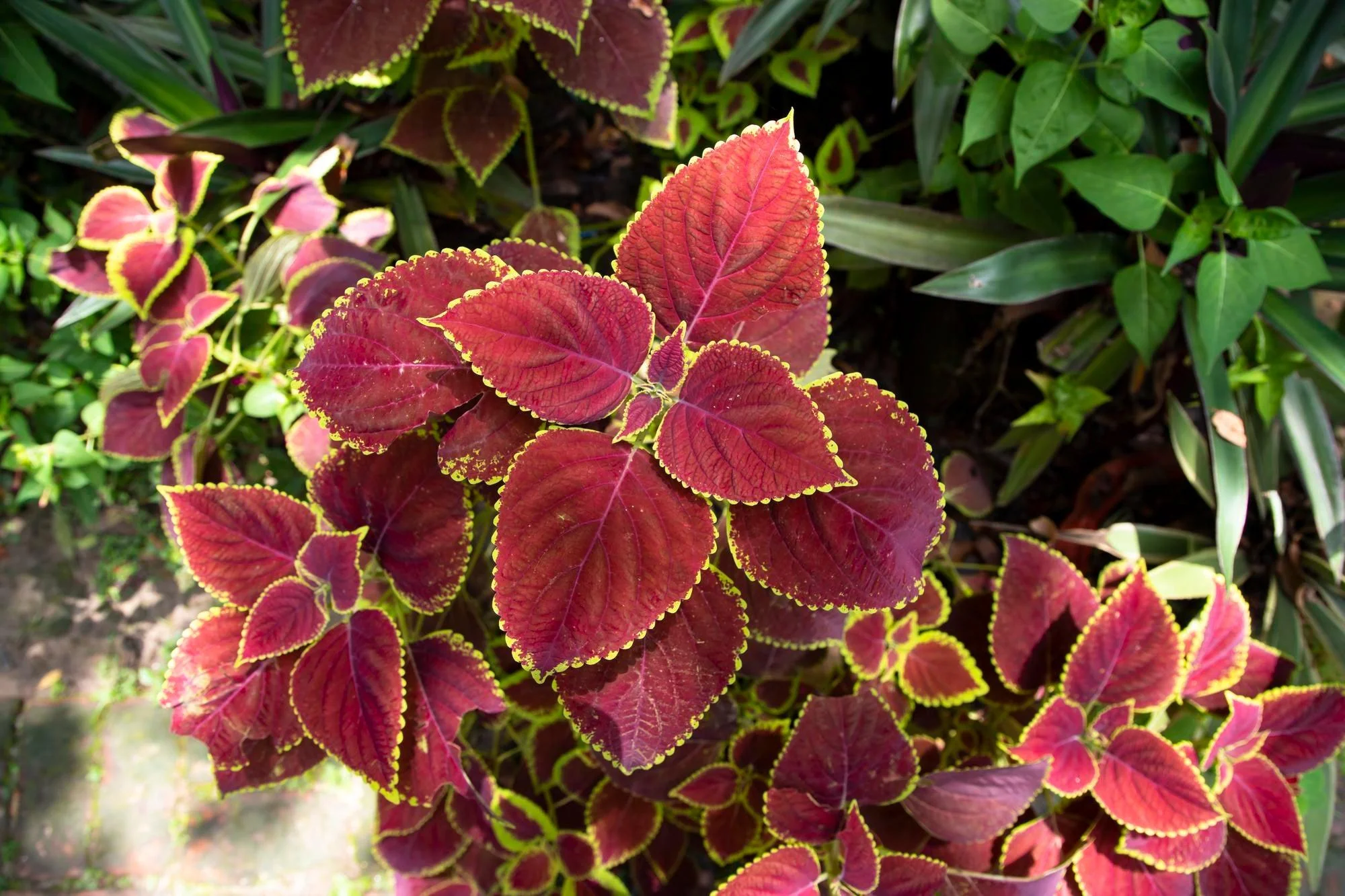
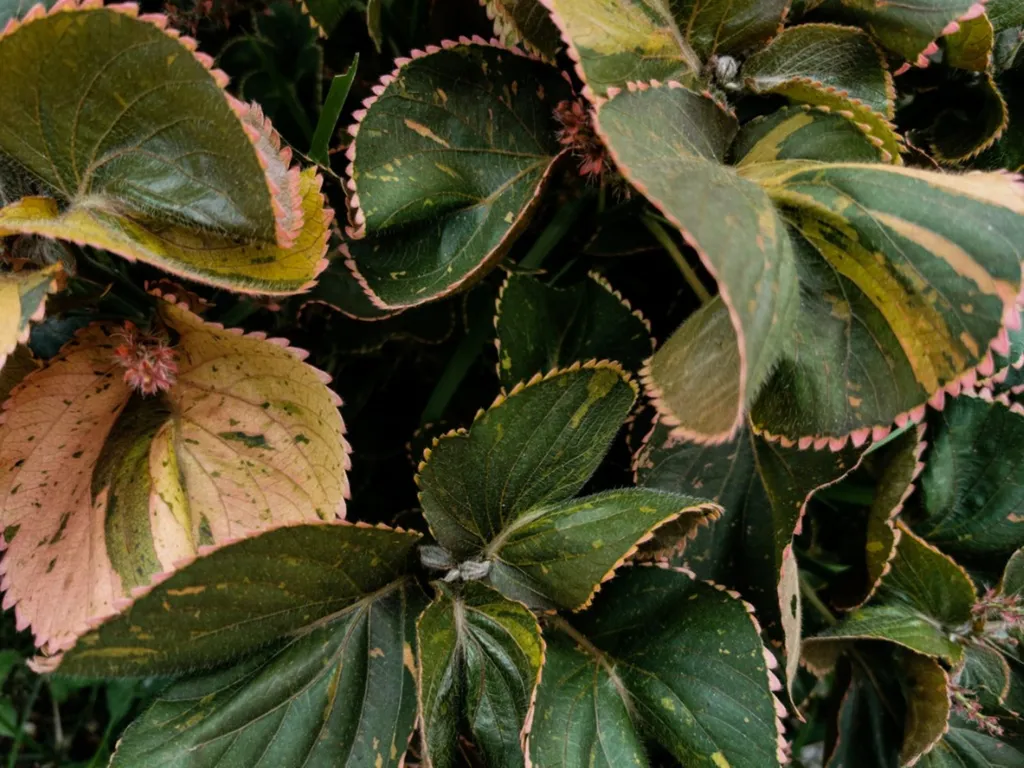
Acalypha wilkesiana, the classic copperleaf or Jacob’s coat, is the undisputed heavyweight of the foliage-first group. This tropical evergreen shrub is celebrated for its oversized, coarsely toothed leaves heavily patterned in shifting shades of bronze, copper, red, pink, cream, and deep green. While it may occasionally throw understated green or bronze catkins, they are a sideshow to the main event: the spectacular leaves.
This plant revels in intense warmth, high humidity, and brilliant light, with its most dazzling color saturation occurring in full, direct sun. In temperate zones, grow it exclusively in containers so you can move it outdoors only after the threat of cold, damp nights has entirely passed. It serves beautifully as a bold tropical accent, a seasonal bedding anchor, or an informal hedge in frost-free climates. Tip-pinching young plants encourages a dense, bushy habit, while a heavy hand with the pruners in spring will quickly rejuvenate older, leggy specimens.
Acalypha wilkesiana ‘Hoffmannii’
For structural eccentricity, ‘Hoffmannii’ is unmatched. This highly distinctive copperleaf selection features curiously contorted, twisted, bright-green leaves outlined in irregular, creamy-white margins. The heavily ruffled, crinkled texture gives the entire shrub a airy, intricate quality that breaks up the heavy textures of a typical tropical border.
Growing into an upright, rounded form, it is the perfect candidate for designers who want high-contrast foliage without relying on blossoms. Try pairing its pale, crimped edges against the brooding, dark foliage of chocolate-leaved cannas, deep purple coleus, texturally rich begonias, or dark-toned sweet potato vines. Its cultural needs match the species exactly: give it reliable warmth, blazing light, a rich and moist root zone, and absolute protection from frost. Pinch the growing tips in spring and early summer to lock in a tight, well-branched shape.
Acalypha wilkesiana ‘Marginata’
A timeless fixture in tropical garden design, Acalypha wilkesiana ‘Marginata’ is instantly identified by its broad, coppery-bronze leaves finished with wide, glowing margins of pink and crimson. Direct, intense sunlight coaxes out the most vibrant neon contrasts; conversely, deep shade or environmental stress will cause the rich bronze to fade into muted, muddy green tones.
In tropical and subtropical landscapes, it is traditionally used as a fast-growing, informal hedge or privacy screen, where routine shearing coaxes out a dense wall of technicolour growth. For temperate gardeners, it shines best as a standalone specimen pot on patios and sunrooms. Because its entire value relies on the intensity of its foliage, site it in the brightest available position and avoid crowding it with neighboring plants. Wait until the absolute end of winter to prune, cutting right back to clean, healthy nodes to stimulate an explosion of well-coloured new growth.
Rare Acalypha Forms and Collector Varieties
Beyond the standard cultivars lies a fascinating group of rare copperleaf forms best treated as collector’s treasures. Keep an eye out for exceptional selections traded under names like ‘Godseffiana’, ‘Mosaica’ (often sold simply as Acalypha mosaica), ‘Giant Red Leaf’, ‘Java White’, ‘Louisiana Red’, and the structural ‘Obovata Cristata’. While their baseline care mirrors standard copperleaf protocols, their commercial availability, naming conventions, and exact garden performance can vary wildly.
These boutique varieties are well worth hunting down if you crave eccentric leaf geometry, hyper-saturated variegation, or novel colour run-ins. Because these names are often swapped carelessly in the nursery trade, always purchase from reputable specialty growers and choose your plants based on their physical appearance rather than the nursery tag alone. Integrate them into mixed foliage containers, where a single, curiously patterned leaf can act as the focal anchor for the entire composition.
Growing Conditions
At their core, Acalyphas are uncompromising children of the tropics. The primary garden-worthy species and their cultivars put on their best show when ambient temperatures sit comfortably above 10–15°C, and they will quickly pout if subjected to icy draughts, freezing temperatures, or roots suffocating in cold, waterlogged soil.
| Cultural Element | Optimal Cultivation Strategy |
|---|---|
| Light | Full sun to partial shade; maximum solar radiation yields the most intense foliage colouration and heaviest flowering. |
| Temperature | Transition outdoors exclusively during settled, warm summer weather; absolute zero tolerance for frost. A. hispida is reliably perennial in USDA Zones 10–11. |
| Soil | Fertile, humus-packed, consistently moist but sharply drained soils; or premium, peat-free potting media. |
| Soil pH | Highly adaptable; accepts acid, neutral, or alkaline profiles. Structural drainage is far more critical than a specific pH number. |
| Humidity | High atmospheric humidity is a major plus, particularly for indoor chenille plants. Crucial tip: do not mist the velvety flower tassels directly. |
| Container Culture | Opt for highly porous, peat-free potting mixes housed in containers outfitted with generous, unobstructed drainage holes. |
For those gardening in the UK, view these plants through a tender lens. They are spectacular summer escapees for the patio but must be ushered indoors or into a heated conservatory long before the first autumn chills settle over the garden.
Planting
Do not rush Acalypha into the ground. Wait until overnight temperatures are reliably warm and the very last threat of spring frost has vanished. Select a sheltered site bathed in full sun or gentle, partial shade, ensuring the soil is inherently fertile and capable of holding moisture without morphing into a soggy swamp.
If your soil is heavy clay or nutrient-deficient, generously incorporate well-rotted organic matter into the planting area beforehand, taking care not to create a sunken basin that traps standing water. Give each variety room to breathe according to its mature scale: space upright copperleafs and large chenille plants generously to allow for their bushy spread, but plant trailing A. pendula tighter together when composing cascading hanging baskets or dense border edgings.
When assembling containers, choose a substantial pot—at least 30–45 cm in diameter—for the upright varieties, verifying that the drainage holes are clear. Fill with a premium peat-free multipurpose or specialized houseplant compost, setting the root ball at the exact same depth it sat in its nursery container.
Care Through the Seasons
Watering
During the frantic rush of spring and summer growth, keep the soil evenly moist but never allow the roots to sit in stagnant water. Hydrate generously while the plant is actively pushing new leaves and flowers, then taper off significantly as winter approaches, keeping the compost just barely moist to the touch.
Outdoor container specimens will drink heavily during the height of summer and may require daily attention. As the natural light wanes and growth stalls in autumn, ease back on the watering can; indoor over-wintering plants want lightly damp media, not cold saturation.
Feeding
Active Acalyphas are hungry plants. Support the rapid production of copperleaf foliage and the continuous blooming of the chenille plant by applying a balanced liquid fertiliser once a month throughout the spring and summer.
Cut off or drastically reduce this nutritional support when the plant goes dormant over winter. Wake them back up with regular feeding only when you spot the first green shoots of spring.
Mulching
In subtropical, frost-free zones, apply a shallow blanket of rich compost or organic mulch across the root zone to lock in vital moisture and keep weed pressure down. Always keep the mulch a few centimetres away from the main woody stems to prevent crown rot.
In colder climates, skip the outdoor mulch entirely—keeping the plants in mobile containers is far more practical, allowing you to wheel them under cover before the elements turn hostile.
Pruning
Sharpen your shears in early spring just as the plant begins to wake up and all threat of frost has passed. Begin by clearing out dead, damaged, or poorly crossing branches, then cut back leggy stems to stimulate fresh, bushy growth from the base.
If you are growing a chenille plant as a long-term perennial in a warm climate, don’t be afraid to pull off a hard spring rejuvenation cut, dropping the plant down to 10–20 cm. This severe pruning rewards you with a flush of exceptionally vigorous, flower-heavy stems. For copperleafs, routinely pinch out the growing tips during the summer to maintain a tight, branch-heavy form; this light, ongoing trimming is the secret to maintaining a flawless, colourful hedge.
Propagation
Snapping off stem cuttings is the easiest and most effective way to clone your favourite garden Acalyphas. In spring or early summer, harvest healthy, non-flowering shoots. Slice cleanly just below a leaf node, strip away the lower foliage, and sink the cutting into a highly porous, free-draining rooting medium like pure perlite or a gritty, sand-heavy compost blend.
Dipping the raw ends in rooting hormone and providing gentle bottom heat will speed up root development. Keep the propagation environment warm, humid, and illuminated by bright, indirect light. Once a robust root system forms, pot them up into individual containers and grow them on in a protected, warm environment.
While you can raise certain species from seed, it is a highly unreliable method if you are trying to duplicate the precise, wild variegation of named foliage cultivars. For copperleafs, stick exclusively to vegetative cuttings to guarantee an exact architectural match.
Pests and Diseases
The lush, sugary sap of Acalypha makes it a prime target for classic greenhouse villains: mealybugs, spider mites, scale insects, aphids, and whiteflies. These infestations run rampant when plants are brought indoors or into conservatories, where stagnant air and dry winter heating create the perfect breeding ground.
Make a habit of inspecting the undersides of leaves, tight leaf joints, and tender growing tips. Blast away minor populations with a sharp spray of water or manually wipe them down, then improve ambient air circulation. If the pests gain a foothold, deploy insecticidal soaps or organic horticultural oils immediately.
On the disease front, almost all issues stem from excess moisture or stagnant air. Prevent root rot and stem cankers by avoiding waterlogged pots, directing irrigation at the base of the plant rather than wetting the leaves, removing spent or diseased foliage promptly, and ensuring every container drains beautifully.
Design and Uses in the Garden
Acalyphas are structural royalty when it comes to designing dramatic, tropical, or exotic-foliage garden rooms. Use the rich tones of copperleaf as a dark, intense anchor to offset the architecture of bananas, cannas, dahlias, bold coleus, brilliant salvias, and airy ornamental grasses. The copper, red, and hot pink tones of the leaves pair beautifully alongside deep forest greens and moody purples.
The chenille plant demands a stage where its long, pendulous catkins can be admired up close; it is spectacular as a solitary patio centerpiece. Trailing A. pendula, conversely, is born for the edge, cascading over the rims of hanging baskets or elevated stone urns where its scarlet spikes can spill freely.
If you are gardening in a frost-free paradise, treat copperleaf as a vibrant, living wall by shearing it into an informal hedge or colourful shrub border. In temperate zones, pivot your strategy: use it as a high-octane summer annual or a show-stopping conservatory specimen that moves indoors for the winter.
While their wildlife value is minimal in temperate regions due to their non-native status, their dense, architectural structures offer great nesting shelter for local birds, and outdoor blooms will occasionally draw in curious, generalist pollinating insects when the weather is warm.
Common Problems and Troubleshooting
- Chenille Plant Refuses to Bloom: This is almost always a sign of inadequate sunlight, chilly temperatures, erratic watering, or starvation. Move the container to a hotter, sunnier spot, keep the soil evenly moist during the growing season, and feed monthly without fail.
- Copperleaf Color Looking Muddy or Faded: Usually caused by deep shade, cold snaps, or tired, old wood. Relocate the plant into brighter solar exposure, pinch back the lazy tips, and force a flush of new, vivid growth with a hard spring pruning.
- Leggy, Sparse, and Floppy Growth: Your plant is begging for more light or a good trim. Regularly pinch young shoots over the summer and cut back leggy branches hard in the spring to force a dense, bushy shape.
- Sudden Leaf Drop or Dieback: A classic stress response to an icy blast of wind, a sudden drop in temperature, moving rooms too quickly, or drowning roots. Keep the plant in a warm, stable, draft-free room and ensure the soil is damp but never waterlogged.
- Yellowing Leaves Paired with Mushy Stems: Classic signs of drowning roots. Re-evaluate your container drainage holes, back off on the watering can, and repot into a fresh, gritty, free-draining compost mix if necessary.
- Sticky Leaves or White Fluffy Gunk: You have an active pest problem. Check for aphids, scale, or mealybugs; treat immediately with insecticidal soap and isolate the plant to protect the rest of your collection.