Tapestries of Texture: The Irresistible Groundcover Magic of Acaena
What is Acaena?
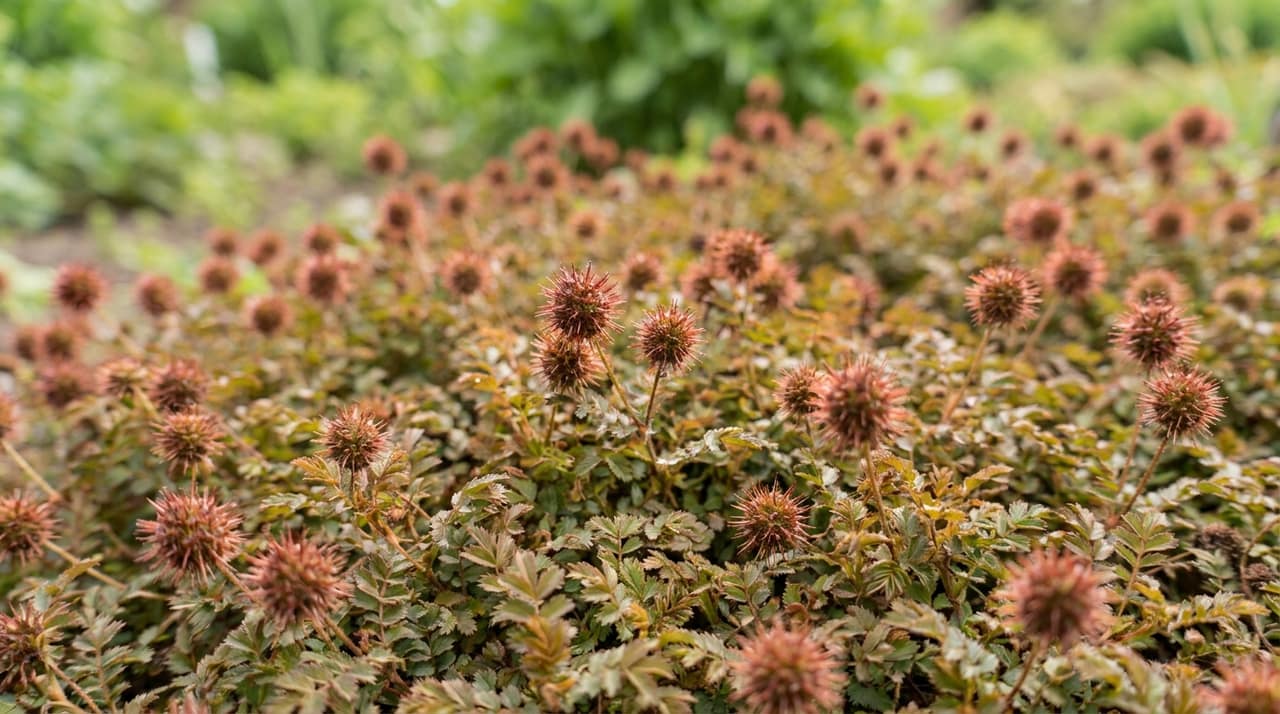
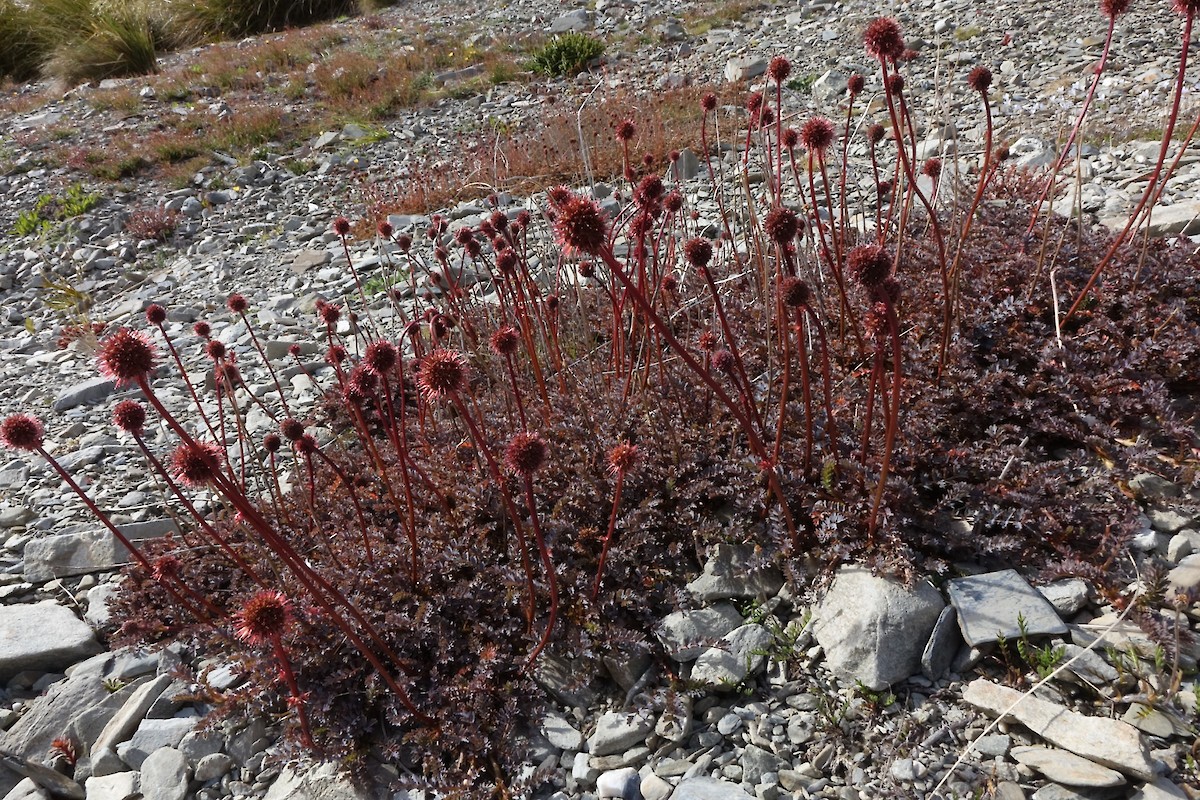
Prized for their fine-textured foliage and dense, weave-like growth habits, Acaena offer gardeners a tough, weed-suppressing groundcover. Commonly referred to as New Zealand bur or bidibid, this genus consists of creeping, predominantly evergreen perennials and subshrubs belonging to the rose family. While their summer flowers are understated, the real magic happens later in the season when the plants produce highly distinctive, burr-like seedheads.
The finest garden selections form tight, low-profile carpets that hover just 5–10 cm above the ground. As they spread via rooting stems, they create a living mulch that softens hard landscaping. They are magnificent when tucked between paving stones, trailed over stone walls, or used as a foil for delicate alpines in sharply drained sites.
Do not relegate Acaena to rich, damp, or heavily shaded borders where they will quickly fail. They demand exceptional drainage, full sun, and open spaces where their intricate foliage can be appreciated up close.
Botanical Background
As members of the Rosaceae family, Acaena share evolutionary roots with roses, apples, and a vast array of favorite garden perennials. The genus is primarily native to the Southern Hemisphere, with rich concentrations of wild species found across New Zealand, Australia, and South America.
In cultivation, these plants display elegant pinnate leaves divided into small, sharply toothed leaflets. Their microscopic flowers cluster together in dense, rounded heads or spikes, eventually giving way to decorative burrs that range from copper and rust-red to spiny spheres, depending on the species you plant.
The genus spans from ultra-compact alpine specialists to more vigorous ramblers. Modern nursery selections favor the compact, colorful foliage forms—particularly those that paint the ground in rich purple, bronze, blue-grey, or metallic copper tones.
Best Acaena Varieties for Gardens
The most successful garden designs rely on varieties that combine strong architectural habits, reliable availability, and striking foliage colors. The following selections stand out as the most practical and beautiful options for contemporary landscapes.
Acaena inermis ‘Purpurea’
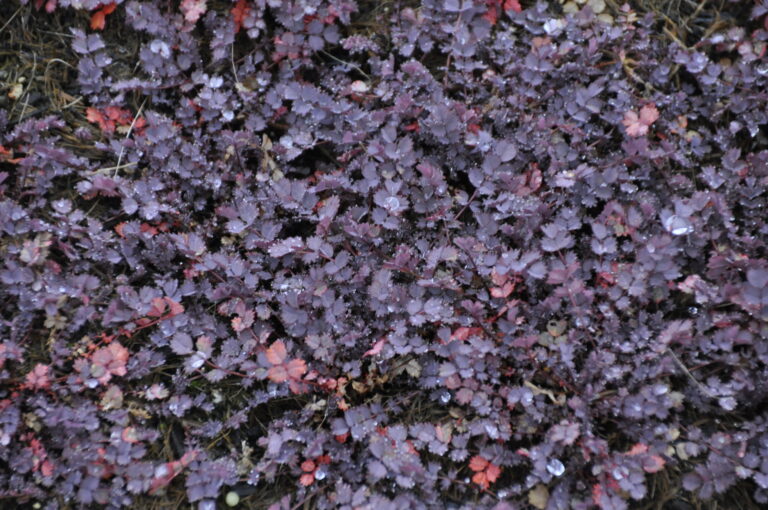
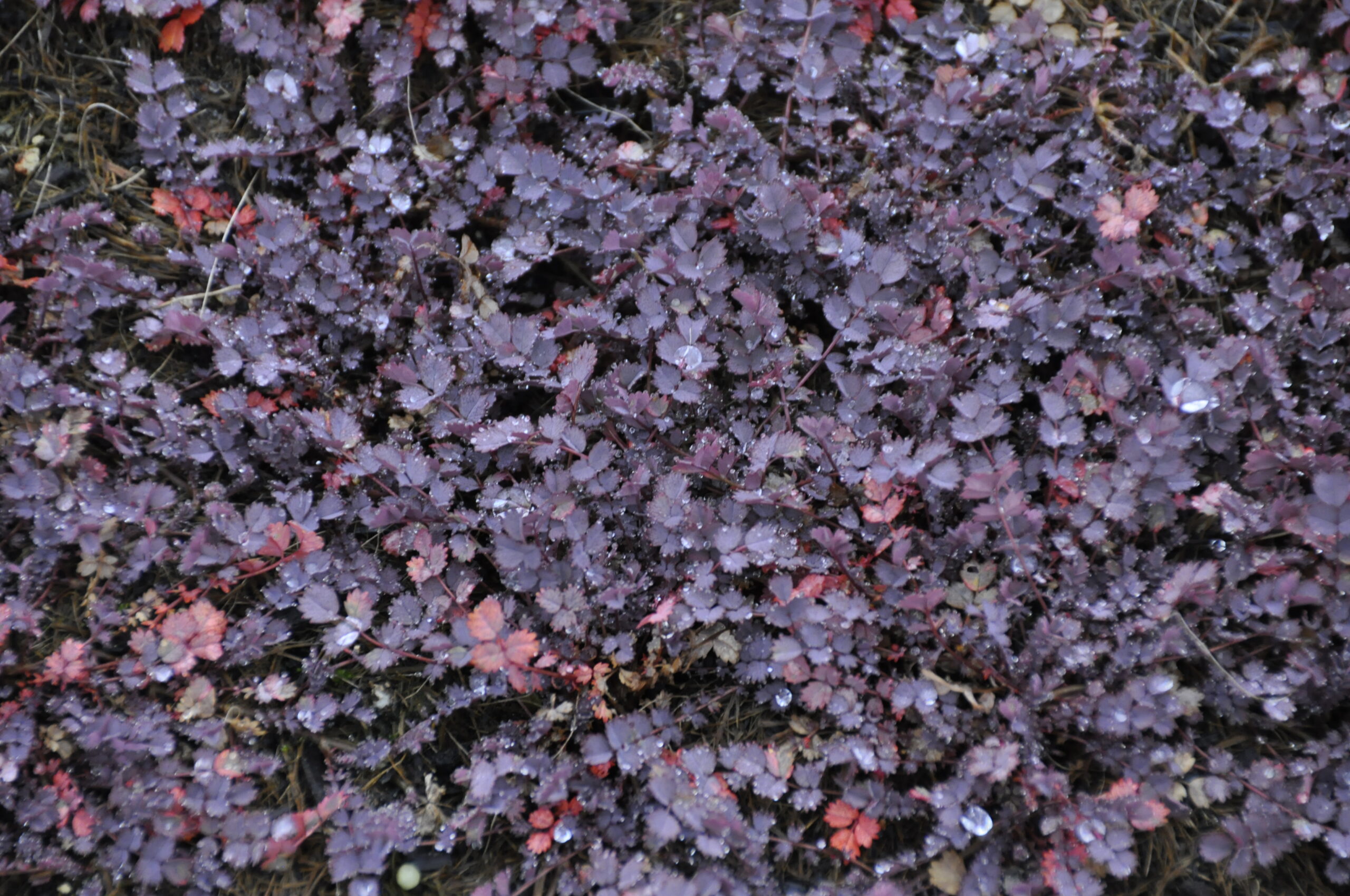
This selection is an absolute standout for anyone seeking deep, dramatic color. Acaena inermis ‘Purpurea’ weaves a dense, evergreen mat of rich bronze-purple foliage that sits just 10 cm high and can eventually cover a footprint of 0.5–1 m.
In midsummer, tiny white flowers resembling miniature pincushions dot the dark mat, followed by warm, red-brown burrs. The moody, dark foliage provides a spectacular contrast when grown alongside pale limestone, silver-leaved alpines, or light-colored gravel paths.
Give it full sun or very light partial shade in free-draining chalk, loam, or sandy soils. It shines brightest at the front of a sunny border, in wall crevices, or spilling over the rims of shallow containers.
Acaena caesiiglauca
If your color palette leans toward cool, structural tones, Acaena caesiiglauca is the premier choice. Its glaucous, silvery blue-grey leaves offer a luminous quality that brightens gravel gardens and minimalist, contemporary design schemes.
Depending on the nursery, you may find this plant sold under synonyms like Acaena microphylla ‘Glauca’ or simply Acaena glauca. Regardless of the label, the striking silver-blue foliage remains unmistakable.
This variety requires sharply drained soil and thrives in bright sun. It makes a stellar companion for other drought-tolerant stalwarts like creeping thymes, low-growing sedums, and small, tufted ornamental grasses.
Acaena microphylla
Commonly known as the classic New Zealand bur, Acaena microphylla forms a rugged, small-scale carpet of finely divided leaves that frequently take on subtle bronze highlights. Expect it to reach around 10 cm in height with a mature lateral spread of 0.5–1 m.
The summer landscape is punctuated by its rounded clusters of pale white flowers, which mature into eye-catching, rusty-red seedheads. Highly resilient, this species tolerates exposed, windy sites and adapts well to acid, neutral, or alkaline soils, provided the ground never becomes waterlogged.
It is perfect for rockeries, gravel beds, alpine troughs, and the cracks between flagstone paths. Its neat habit ensures it won’t overwhelm container compositions, allowing you to examine the intricate burrs at eye level.
Copper and Bronze Acaena Forms
Cultivars such as Acaena microphylla ‘Kupferteppich’ (often sold as ‘Copper Carpet’) introduce warm, metallic notes to the garden floor. These forms are close cousins to the standard Acaena microphylla group, sharing the same low-slung, mat-forming habit and a steadfast preference for sun-baked, well-drained soil.
Use these copper selections as deliberate visual accents rather than massive monochromatic blankets. Their metallic sheen looks breathtaking when interwoven with blue-grey foliage, pale pea gravel, and silver-leaved companions. Choosing between these and the standard species is purely an aesthetic decision; their cultural requirements and growth habits are identical.
Rare and Less Common Acaena Species
A handful of species capture the interest of collectors but are less common in everyday residential landscapes, often because their visual differences are subtle. This group includes Acaena magellanica, Acaena multifida, and Acaena buchananii.
Acaena magellanica features white blooms against coppery, distinctly spiny seedheads. Acaena multifida, native to the cold regions of Chile and Argentina, remains taxonomically unresolved by some authorities, while the soft green Acaena buchananii is occasionally grown for its bright, grassy color.
While these choices are excellent for alpine specialists and plant collectors seeking novel textures, the mainstream purple, bronze, and silver-blue varieties generally offer superior ornamental impact and are much easier to source.
Growing Conditions
To get the most out of Acaena, plant them in a bright, sun-drenched location with impeccable drainage. The most popular varieties are remarkably versatile regarding soil type, performing beautifully in chalky, loamy, or sandy conditions.
Soil pH is rarely a limiting factor; Acaena microphylla, for instance, tolerates everything from acidic to alkaline soils. The non-negotiable factor is drainage. Persistent winter moisture around the crown and root system is far more lethal to this plant than summer drought.
Across most of the UK, established Acaena are completely hardy in well-drained, sheltered gardens. If you garden in a particularly cold or exposed region, site your plants in a warm, south-facing microclimate, ensure the winter soil drains instantly, or opt for container growing where moisture can be carefully managed.
Keep them far away from heavy, sticky clay, deep shade, or highly fertile borders where aggressive perennials will quickly overgrow and smother them. Gritty, lean, and sandy soils mimic their wild habitats perfectly.
Planting Acaena
The ideal times to plant are spring or early autumn. During these windows, the soil is workable, and mild temperatures allow the root systems to establish before summer heat or winter frosts arrive. Potted nursery stock can be planted throughout the summer, provided you commit to regular watering during the initial settling-in period.
Preparation is straightforward: clear out all perennial weeds and amend heavy soils heavily with sharp sand or fine grit. If your soil is exceptionally sandy and dry, incorporate a small amount of garden compost to help retain just enough moisture to get the young plants started.
Space your plants 25–40 cm apart to achieve a solid groundcover. Because healthy mats eventually spread up to 1 meter, give them ample room to develop so they don’t immediately run over slow-growing alpines or spill blindly onto paths.
When planting in containers, select a gritty, loam-based compost mix. Verify that the pot has generous drainage holes, elevate the container slightly on pot feet during wet winters, and avoid using oversized pots that hold stagnant, cold water.
Care Through the Seasons
Watering
Keep newly planted Acaena consistently moist—but never sodden—during their first growing season. Once their roots are established, these plants require minimal intervention. Supplemental watering is only necessary during extended heatwaves, particularly for specimens restricted to containers, gravel beds, or south-facing walls. When winter arrives, stop watering completely; cold, soggy soil is their greatest enemy.
Feeding and Mulching
Acaena thrive on neglect when it comes to nutrients. High-nitrogen fertilizers are a mistake, as they stimulate soft, floppy, leggy growth that destroys the tight, woven carpet effect that makes the foliage so attractive. Instead of fertilizer, apply a thin layer of fine gravel or grit mulch around the base of the plants. This keeps the foliage clean, prevents crown rot, and helps keep opportunistic weeds at bay.
Pruning and Trimming
You won’t need to spend much time pruning. A light trim in early spring or immediately after flowering keeps the mats tidy and prevents the rooting stems from creeping into spaces where they aren’t wanted. Use sharp shears and take care not to cut back into the old, bare, woody stems. If a patch becomes straggly or bare over time, lifting and dividing the clump is far more effective than hard pruning.
Propagating Acaena
Division is the easiest way to multiply your stock. In either spring or autumn, carefully lift an established mat, split it into rooted sections, and replant the divisions immediately at their original growing depth.
Because the creeping stems naturally root wherever they touch bare soil, you can often slice off pre-rooted runners from the perimeter of the plant without lifting the main clump at all. This is an effortless way to patch bare spots or pot up new starts.
Sowing seed is an option in autumn or spring using a cold frame or unheated greenhouse. Keep in mind, however, that named cultivars will not reliably come true from seed. Stick to division or stem cuttings if you want to guarantee identical foliage color.
To take cuttings, collect semi-ripe or rooted-stem sections in late summer. Insert them into a sharply draining, gritty propagation mix, and keep them in a bright, humid, frost-free environment until a robust root system forms.
Pests and Diseases
Planted in the right spot, Acaena is remarkably trouble-free. Nearly all common failures stem from poor cultural conditions: heavy shade, stagnant soil, or overcrowding from aggressive neighbors.
Slugs and snails occasionally target tender new growth during damp spring weather. Monitor your mats and container bases after heavy rains, clear away nearby debris where pests hide, and apply your preferred control method if damage becomes noticeable.
Root and crown rot are the direct results of waterlogging. If a plant begins to decline due to dampness, lift it immediately, cut away any soft, rotted tissue, and replant the remaining healthy, rooted sections into a much grittier, sunnier site. Always sanitize your tools between cuts to avoid spreading pathogens.
Design and Uses in the Garden
Acaena excels when positioned where its intricate textures can be viewed at close range. It makes a superb filler for the spaces between stepping stones, along sunny walkways, inside rock crevices, or draping over the edges of raised beds and dry-stone walls.
The evergreen carpets provide a wonderful visual anchor for Mediterranean-style plantings and classic alpines. Try pairing them with creeping thymes, colorful sedums, saxifrages, sea thrift (Armeria), alpine pinks (Dianthus), and dwarf spring bulbs.
For striking color contrasts, play with opposites. Map the rich tones of Acaena inermis ‘Purpurea’ against silver foliage or pale flagstones. Use the architectural, cool silver-blue of Acaena caesiiglauca to intensify warm copper tones, dark granite gravel, or fine-textured grasses.
While the burrs look wonderful in late summer, keep a watchful eye on vigorous varieties planted near fragile, slow-growing alpines. Maintain a clear buffer zone of bare gravel to ensure the creeping stems don’t overrun delicate neighbors.
Common Problems and Troubleshooting
Sparse or Patchy Growth
If your carpet looks thin, it is usually due to poor establishment, hidden shade, or intense root competition. Deepen your watering routine during dry spells in the first year, pull any encroaching weeds, and peg down healthy runners into the bare spots to encourage them to root.
Leggy or Open Growth
When Acaena loses its tight, compressed habit, it is signaling that the soil is too rich or the light is too dim. Move container specimens to a brighter, sunnier spot, stop applying fertilizer, and shear the plant lightly after flowering to stimulate dense, compact new leaves.
Dieback or Browning
Sudden browning or dieback points directly to winter wet or an overcrowded, congested crown. Investigate your soil drainage, clear out dead or decaying foliage, and divide the remaining healthy portions of the plant, discarding any mushy, compromised root sections.
Unwanted Spread
Because these plants spread via rooting stems, certain species face strict environmental regulations in parts of the UK. In Northern Ireland, all Acaena species are regulated under Schedule 9 of the Wildlife (Northern Ireland) Order 1985. While they are perfectly legal to buy and grow in gardens, it is a legal offense to plant them—or allow them to escape—into the wild.
Keep their boundaries secure by trimming the perimeter annually, using physical root barriers if needed, and avoiding planting them near wild natural habitats or unmanaged land.
FAQs
Is Acaena evergreen?
How tall does Acaena grow?
Can Acaena grow in shade?
Does Acaena need poor soil?
How do I propagate Acaena?
Are Acaena flowers showy?
Is Acaena invasive?