The Legacy of ‘Clemson Spineless’ Okra: Why This Heirloom Still Rules the Summer Patch
‘Clemson Spineless’ stands as the undisputed benchmark of the okra world. This legendary cultivar (Abelmoschus esculentus) revolutionized summer food plots by delivering nearly thornless pods, uniform deep-green ribbed fruit, and the kind of relentlessly heavy yields that turn casual backyard growers into seasoned market gardeners. Its storied breeding history, prestigious All-America Selections pedigree, and unflinching reliability in commercial supply chains have cemented its reputation. For growers, the smooth pods mean comfortable, sting-free harvesting; for cooks, it remains the ultimate canvas for classic Southern and global cuisine.
For baseline cultivation steps (sowing depth, spacing, watering frequency, soil preparation, and universal pest controls), refer to the Master Growing Guide for Okra. This profile focuses on the unique traits, history, and design value of ‘Clemson Spineless’ itself.
Origin and Breeding History
The story of ‘Clemson Spineless’ begins at the South Carolina Agricultural Experiment Station at Clemson University. Released to the public in 1939, it didn’t take long for this game-changing selection to become the industry standard. Breeders isolated the plant from the older, pricklier ‘Perkins’ type, carefully retaining that variety’s beloved deep-green pod characteristics while systematically breeding out the irritating, microscopic spears that made traditional okra harvesting a miserable chore.
The horticultural world noticed immediately. In its very year of release, the variety secured an All-America Selections (AAS) award—a definitive stamp of approval confirming its superior field performance and market readiness. Over the decades, the name itself became generic shorthand for dependable, smooth-podded okra. Later commercial refinements, such as ‘Clemson Spineless #80’, have tightened up yield numbers and visual uniformity, but the core promise of a high-yielding, stingless plant remains entirely untouched.
Defining Visual and Functional Traits
What makes this cultivar an enduring icon is a tight suite of practical and aesthetic characteristics that appeal equally to market farmers, backyard pickers, and home chefs.
- Truly Spineless Pods: Its signature triumph is the “almost spine-free” skin. The smooth fruit allows you to harvest without the maddening itch and painful prickles tied to older heirloom varieties, dramatically increasing picking speed and physical comfort.
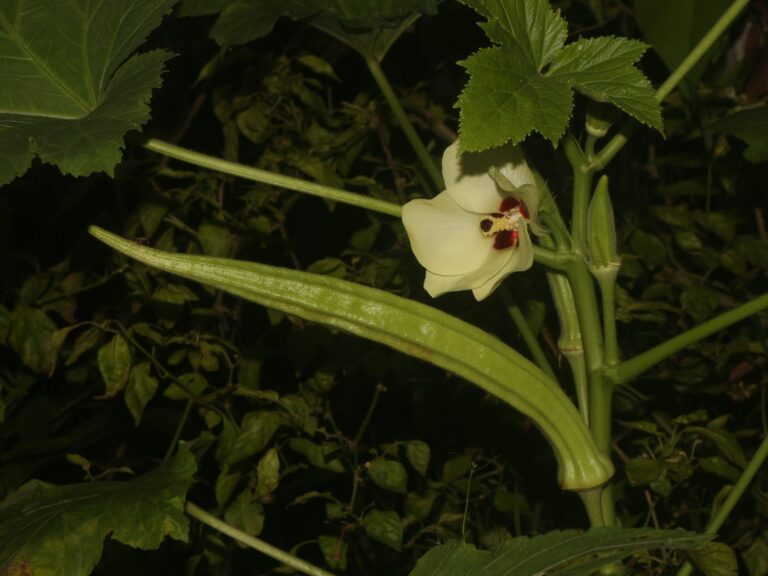
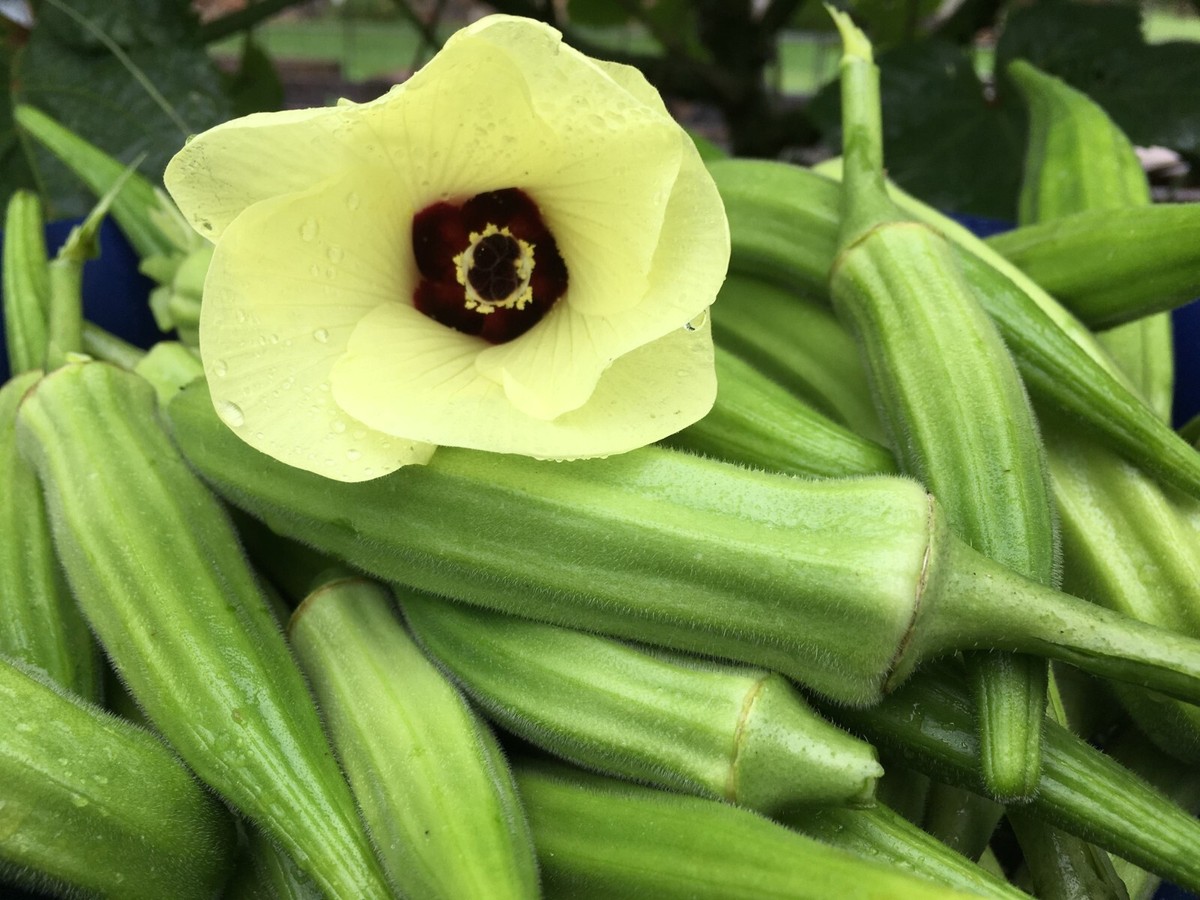
- Stunning Pod Shape: The pods grow exceptionally uniform and straight, with just an occasional elegant curve. Draped in a deep, rich green and framed by distinct ridges, they offer a clean, premium look on the farm stand table.
- Robust Plant Habit: These are vigorous, upright workhorses. Stems grow thick and sturdy, typically topping out between 3½ to 5 feet (around 60 inches) to easily support a continuous, heavy payload of fruit.
- Rapid Maturity: This selection hits the ground running, shifting from seed to first harvest in a swift 55 to 65 days. Once it starts production, it pumps out pods relentlessly until the first true frost of autumn caps the season.
These traits synthesize into a plant that looks remarkably consistent in the field and performs brilliantly at harvest time, keeping it at the top of seed catalogs year after year.
Harvesting Advantages and Commercial Importance
Engineered for real-world handling, the true brilliance of ‘Clemson Spineless’ shines during peak harvest and subsequent post-harvest transport.
The near-total absence of stinging hairs turns what used to be a dreaded chore into a swift, comfortable routine, offering an immediate labor advantage whether you manage a quarter-acre homestead or a multi-acre commercial operation. Furthermore, those straight, deeply ribbed pods hold up beautifully during transit, meeting strict fresh-market grading expectations and packing tightly into pre-pack and export containers without bruising.
Because extension guides and commercial seed catalogs frequently call it “highly prolific” and note its “heavy yields,” growers can comfortably build dependable supply schedules around its fruiting windows. It serves as a highly adaptable main-season standard, thriving across the grueling heat of the American Cotton Belt and proving its mettle in vastly different microclimates across the continent.
Culinary Profile and Kitchen Performance
In the kitchen, ‘Clemson Spineless’ delivers the quintessential okra experience, offering a rich, subtly grassy flavor profile paired with an remarkably tender bite—provided you pick it with discipline.
The Golden Rule of Harvest Size
To experience this heirloom at its peak, harvest the pods when they hit roughly 3 inches in length. While some kitchens stretch that window to 4 inches, leaving them on the stalk any longer allows the plant to deposit tough, woody cellulose, turning a tender delicacy into an stringy, unchewable disappointment.
Culinary Versatility
When sliced, the pods immediately release their natural mucilage, acting as an exceptional, starch-free thickener for low-and-slow Creole gumbos, rich stews, and complex curries. Yet its kitchen utility stretches far beyond the stew pot. This variety handles the high heat of Southern cornmeal frying, backyard grilling, and oven-roasting beautifully. It holds its structural integrity during quick stir-fries, steams gently, and the smallest whole pods tuck elegantly into jars for crisp, tangy pickles. Because the window between tender and woody closes quickly, daily picking is the secret to keeping your kitchen quality elite.
Landscape and Garden Design Value
Though traditionally relegated to the functional rows of a vegetable patch, ‘Clemson Spineless’ possesses serious architectural chops that deserve a place in ornamental edible landscapes.
Structural Presence and Form
Reaching up to 5 feet with a clean, vertical posture, it serves as an excellent structural anchor in intensive raised beds, keyhole gardens, or the back-row border of a cottage garden.
Seasonal Evolution
As a member of the hibiscus family (Malvaceae), it punctuate the mid-to-late summer garden with gorgeous, pale-yellow blossoms featuring deep burgundy throats, followed immediately by a striking succession of angular, glossy green pods.
Smart Companion Pairings
The deep-green, heavily lobed leaves and structural pods create a fantastic textures contrast when paired against silver artemisias, rich burgundy basils, or fine-textured culinary herbs. They also look right at home rising out of soft, modern ornamental grasses.
Post-Season Utility
Even when the winter freeze arrives, the design value persists. Left to mature on the vine, the dried, woody pods retain their sharp geometric lines, making highly sought-after additions to rustic floral arrangements and dried wreaths.
Grower and Consumer Awareness
Few open-pollinated vegetables enjoy the near-universal name recognition of ‘Clemson Spineless’. It remains the definitive variety that shifted consumer and grower expectations, making a “smooth pod” the baseline standard for what modern okra should be.
Nearly a century after its Depression-era debut, you will still find it listed as the default recommendation in university extension bulletins, commercial farming handbooks, and boutique heirloom catalogs alike. The reason is simple: its value proposition is entirely transparent. The variety delivers exactly what it promises—painless harvesting, predictable yields, and standard market-green pods that satisfy both the commercial farmer looking at labor margins and the home cook demanding peak kitchen performance.
Notes on Naming and Selections
As you browse seed lists, you are bound to run into various entries like ‘Clemson Spineless’, ‘Clemson Spineless 80’, or other numbered strains. Do not let the terminology confuse you. Rather than representing entirely distinct varieties, these are simply highly vetted commercial selections of the same foundational 1939 university release. They are carefully maintained to protect the exact traits that made the plant famous in the first place: heavy production, flawless green color, and a delightfully smooth, spine-free skin.